
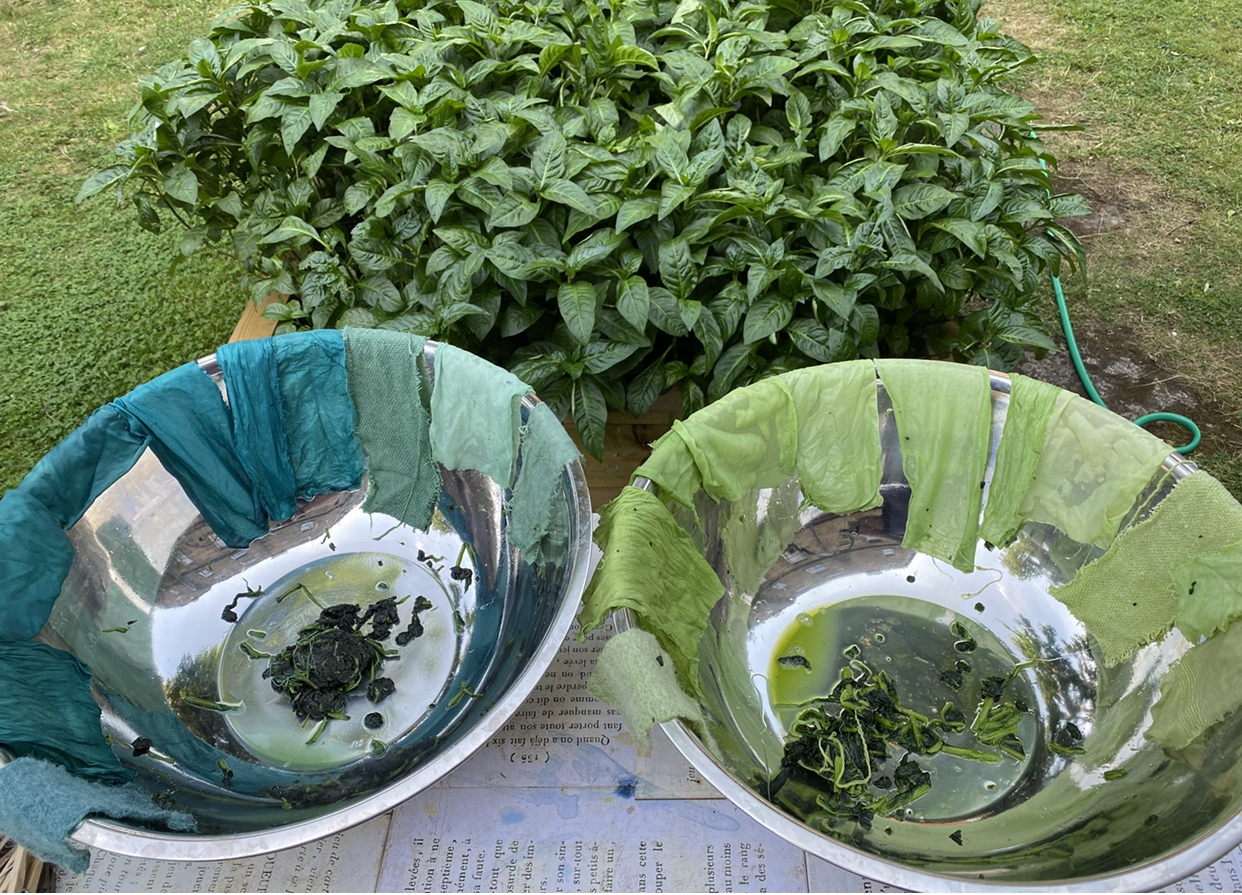
GROWING a dye garden has become a great way to generate plant based colours for dyeing fabric and yarn. A more sustainable way to bring colour in our life. I started growing my own Japanese Indigo in Glasgow because of the Covid crisis but after we went back to normal I decided to keep going and to ask The Glasgow Botanical Garden to allow me to use a small pace to grow the plants there too.
In 2025 for the 4th year I will be growing on the grounds of the Glasgow Botanical Garden some Japanese Indigo, some Woad, some Genista, some Weld. Two large beds right by the side of the Glasgow own dye garden.
I grow fewer species but in bigger quantity, and I use them during the season to generate colour. I also engage with the public in order to educate at grass roots level about the great benefits of growing your own dye plants. I engage with schools to teach the children about teaching young children about the connection between the plants and the colour. I teach adults at home to grow their own Indigo and Woad to give them this amazing good feel that growing gives…
LOOKING FOR VOLUNTEERS FOR THE INDIGO PLOT @ THE GLASGOW BOTANICS
And I would love if you would get involved.
Below is the account of my first year of public growing and some links to some of the growers of the first experiments, if you are local AND WANT TO BE INVOLVED please be in touch by email bettysbeautifullife@gmail.com to let me know who you are and what you can share… I need some help with giving the garden a big upkeep, some digging, manuring, weeding during the season and off course planting and harvesting. If you are in Glasgow you know the weather is often changeable and we just need to adapt… it is not always a walk in the park … but the result is amazing. In return you will learn about the dye plants and will get to dye with your own grown plants at the end of the summer.
If you are away from Glasgow and you would like to run this at home… I have an online course I run with a small group every year. To you in the UK I can spare seeds. To others I will share ressources… Between April and end of July we will meet on zoom to touch base and keep our growing moving in the right direction. We will share tips and touch base to where we are. In July and August I will share some methods for extractions, for dyeing, for paint making with the pigment you can extract from your Woad and Japanese Indigo. So join by using the link below… it will give you a great ressource to learn to grow with.
The zoom sessions are recorded and will be shared for up to two years. They will come with written instructions for you to keep
In 2024, I grew Japanese Indigo with a group of 60 home growers all over the UK and some overseas. I was very honoured that THE LEAGUE OF ARTISANS chose to grow with me with their group of 20 growers towards a sharing workshop using fresh leaves Indigo and Woad during The Leek Textile week. To view the program of The Leek Textile week look HERE
In Septembre 2025 we will welcome colour and fibre lovers in our yearly exhibition at The Kibble Palace of the Glasgow Botanical garden for “Feeling Blue” exhibition. During the week end we share our love for the natural dyes and fibres and as well as see some of the dyes you can take part in hands on workshops, and observe some spinning, weaving and dyeing. Visits of the dye garden “The Indigo plot” are taking part in the Sunday afternoon and we test fresh leaves of Japanese Indigo for fun.
Please KEEP THE DATES – 20 & 21 SEPTEMBRE 2025… Details to follow.
The Indigo Plot at the Botanics is a small dye plants garden in the grounds of the Glasgow Botanical Garden in Scotland (UK). Curated by Textile artist Elisabeth Viguie Culshaw in the spring of 2022, Japanese Indigo (4 varieties), Woad, Weld, Genista, Madder, and Flax are planted, I want to educate and share with the public. Information about planting, growing and using dye plants to created sustainable colour for textile fibre will be shared during the following 24 months.
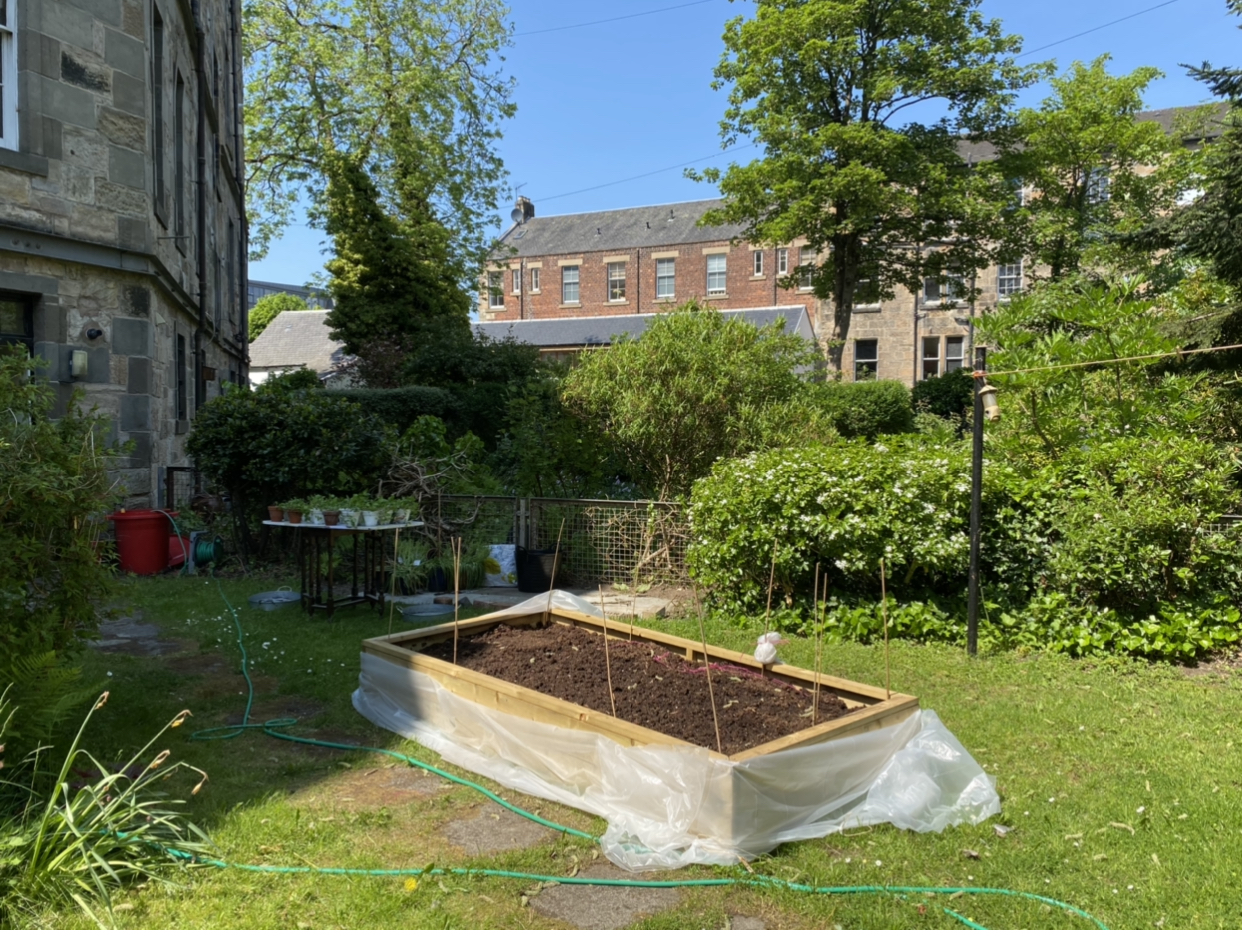
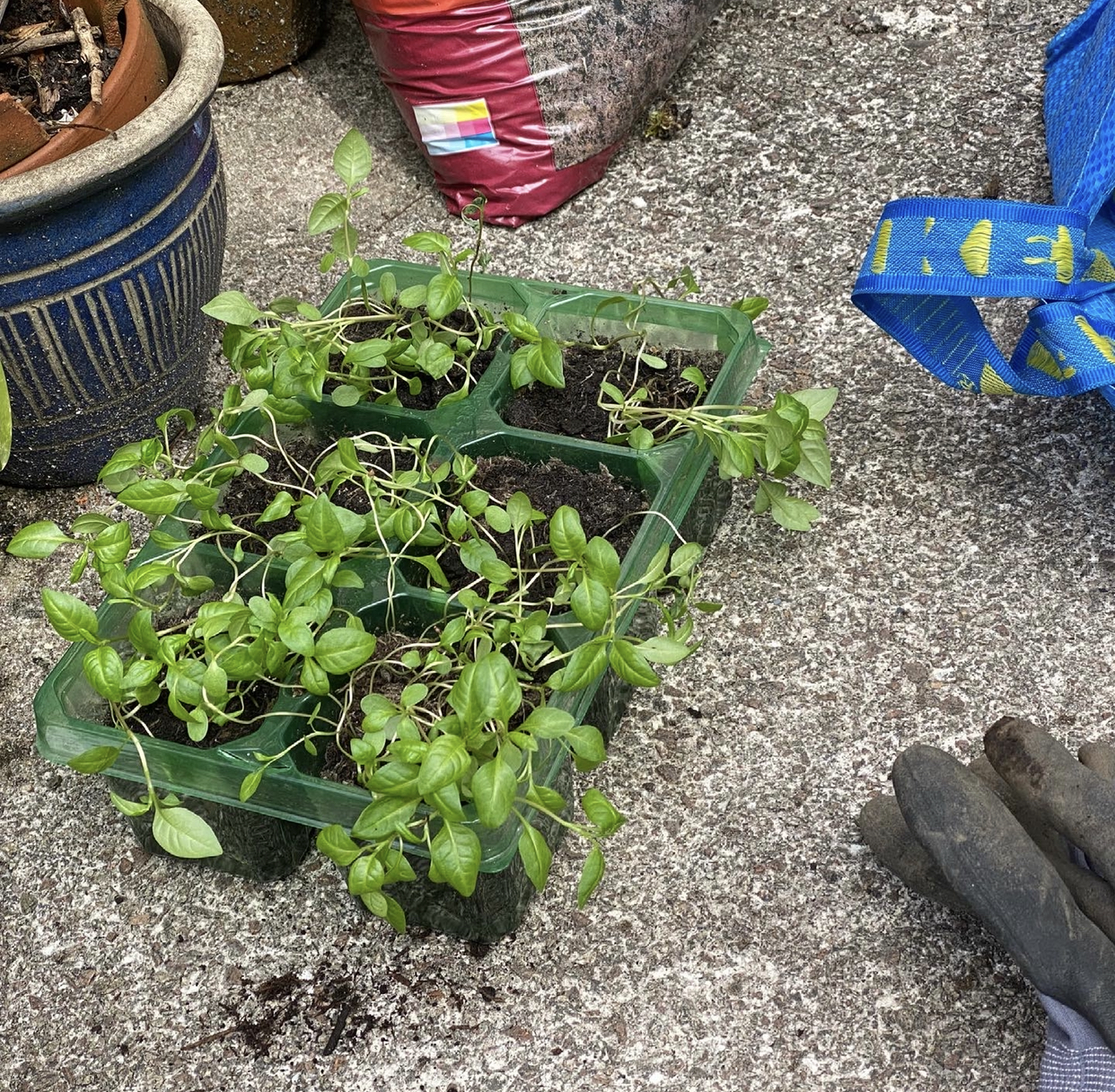
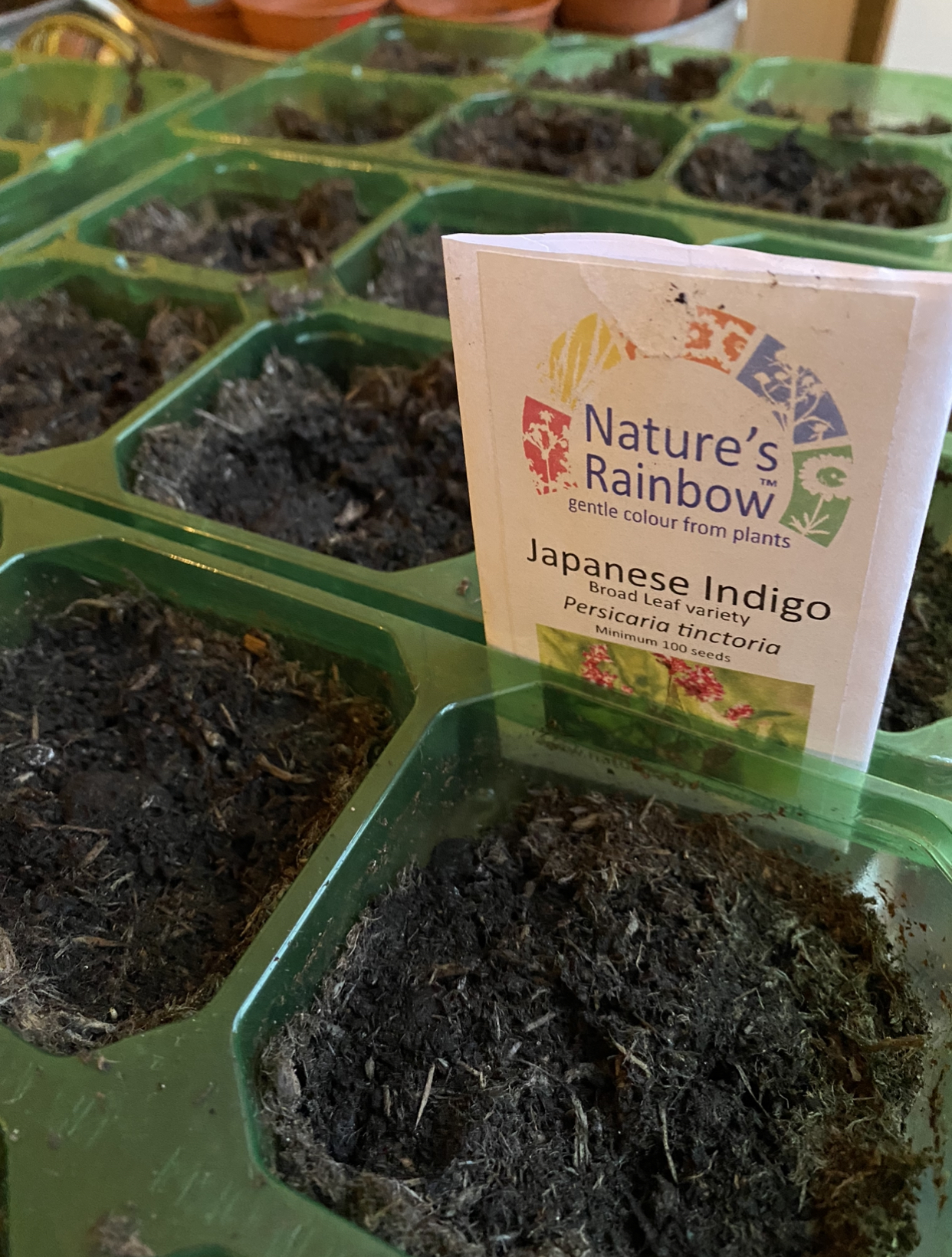
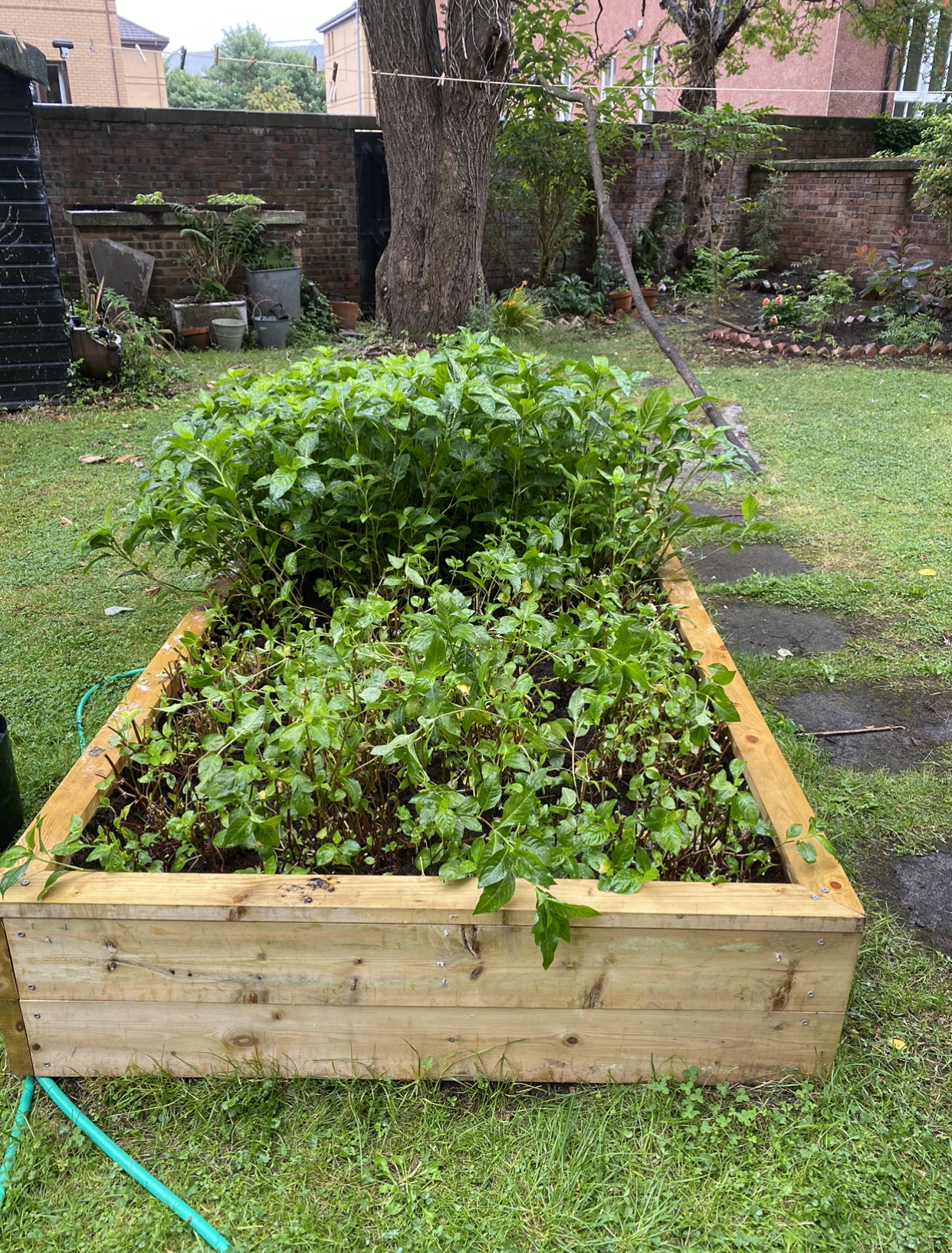
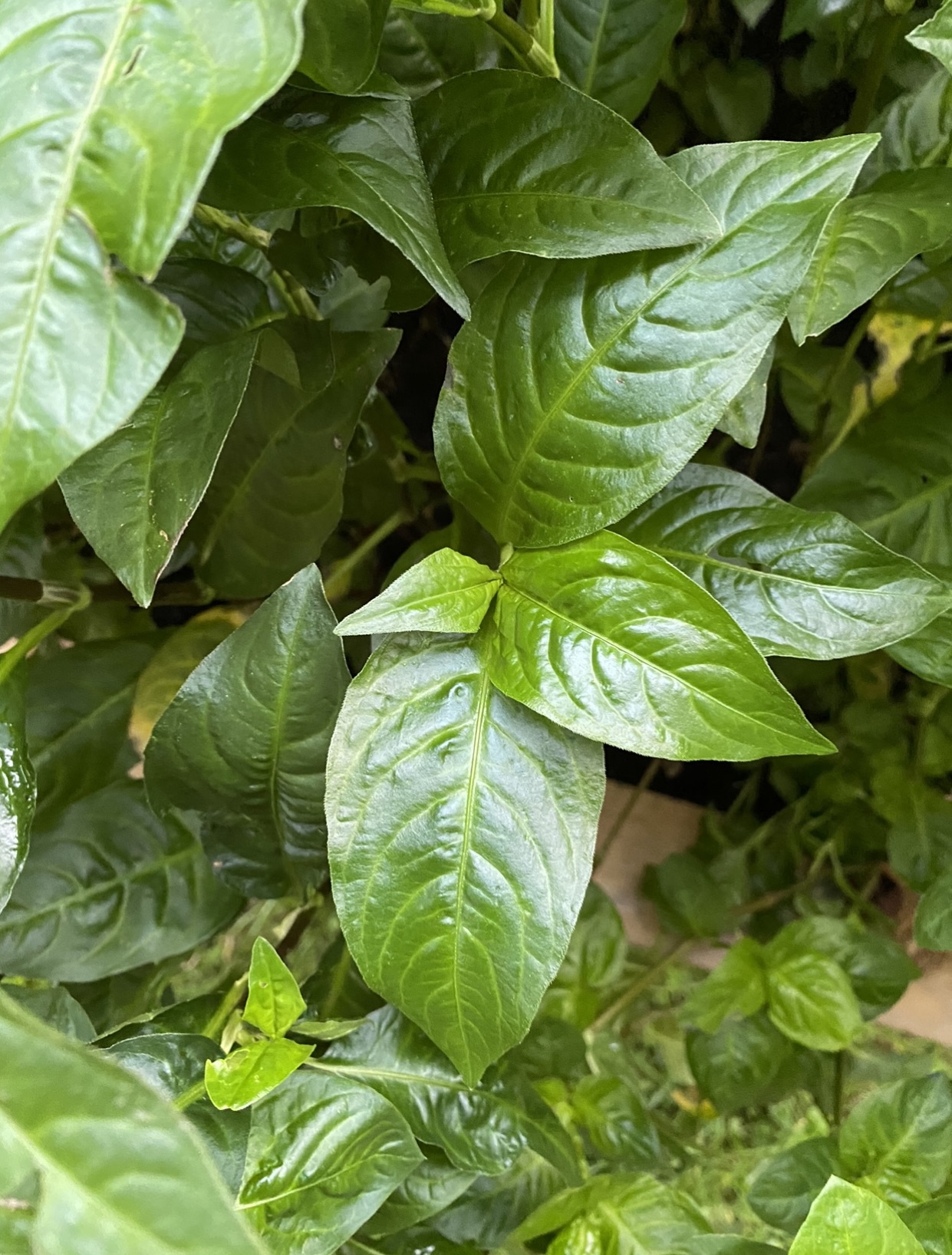
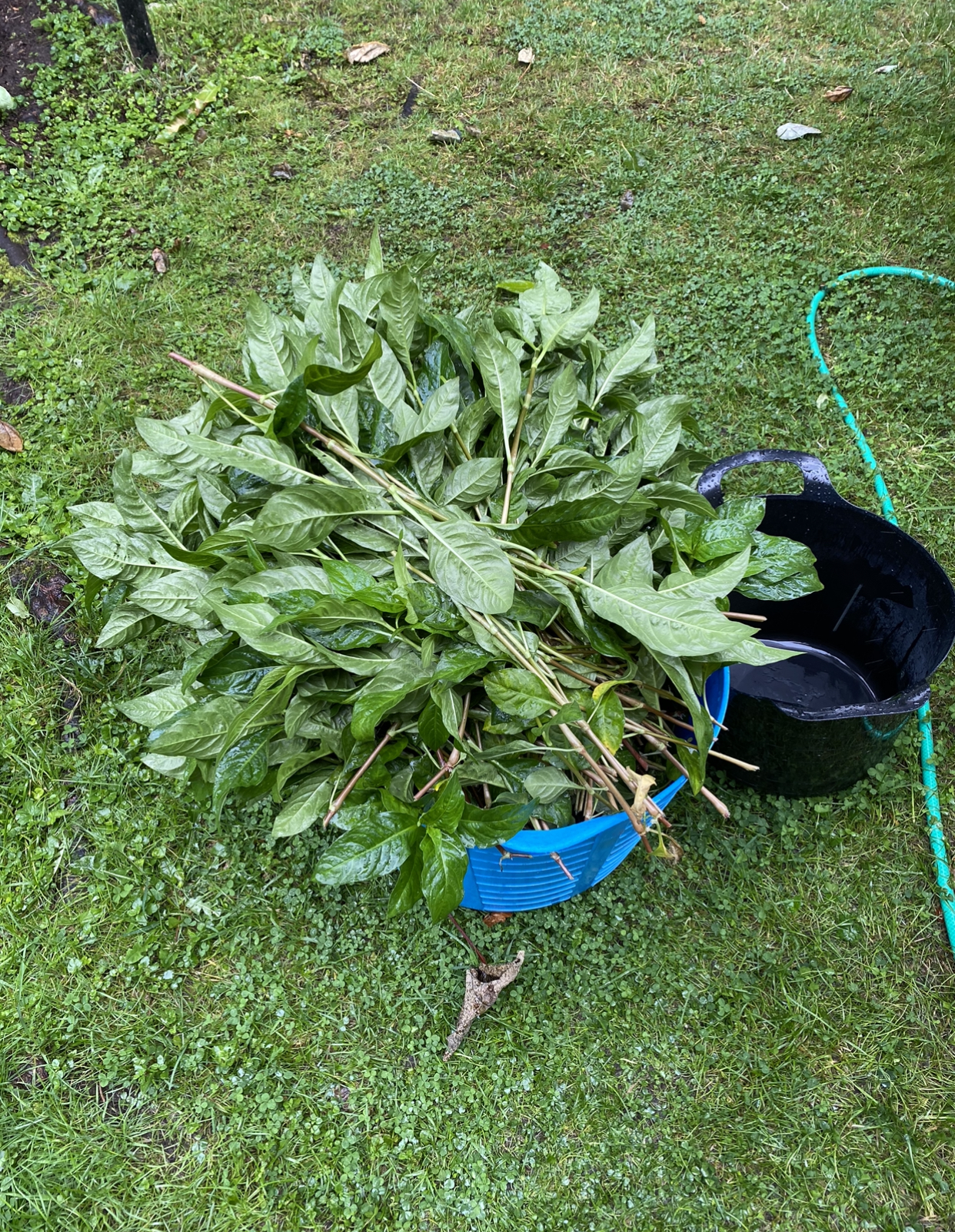
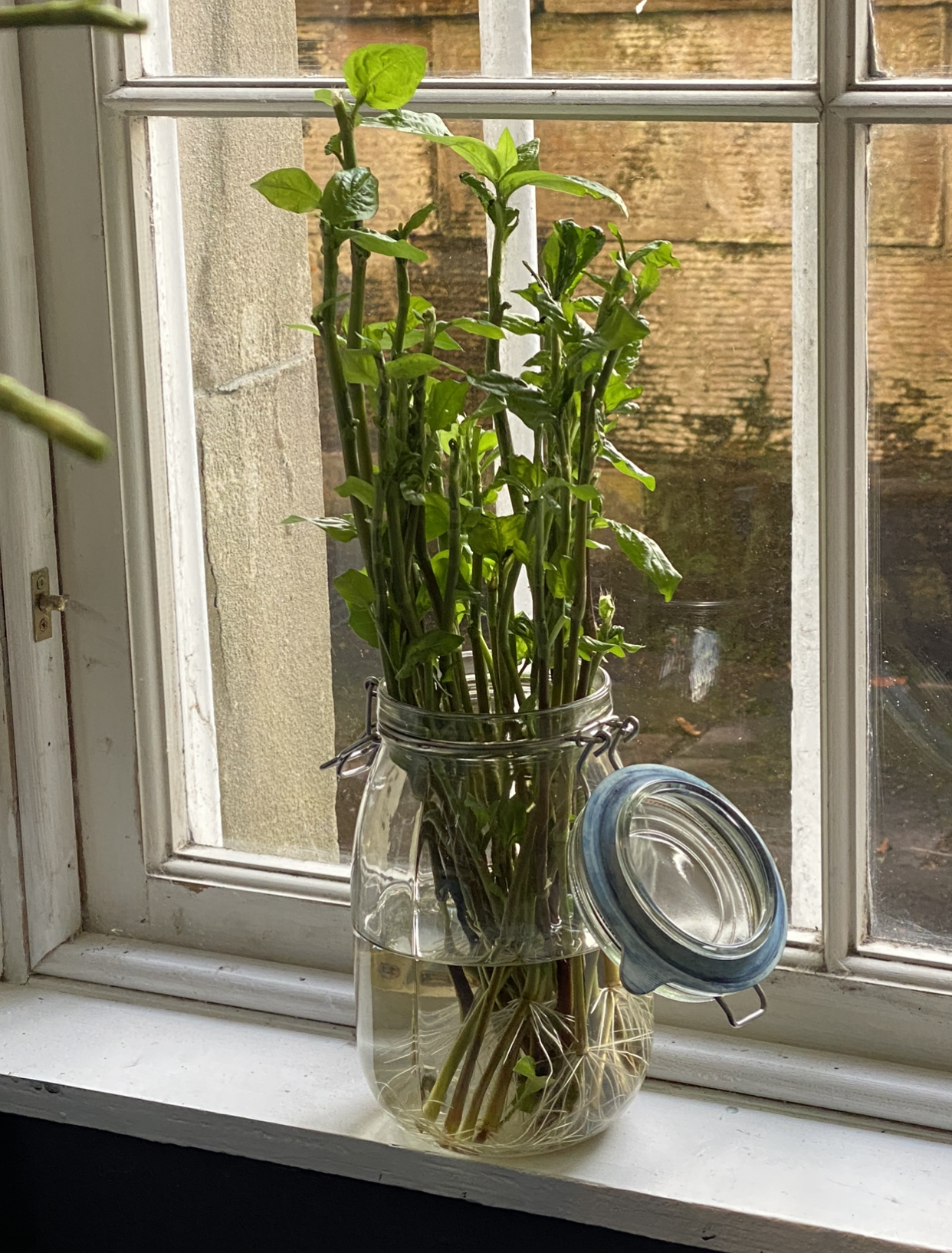
Below are images about my own dye garden in 2021






My inspiration for dye gardens comes from my Asian travels over the past 15 years.
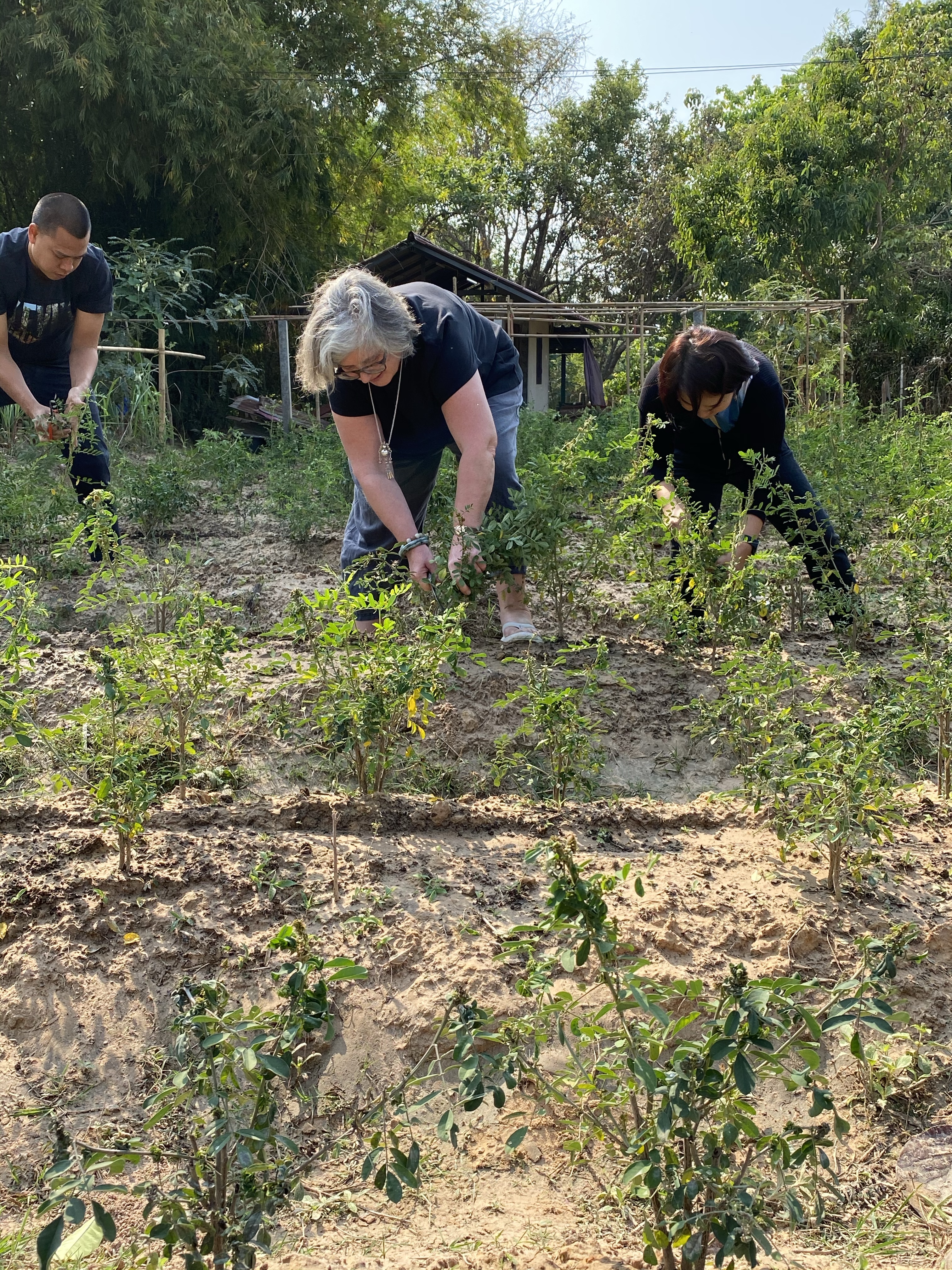
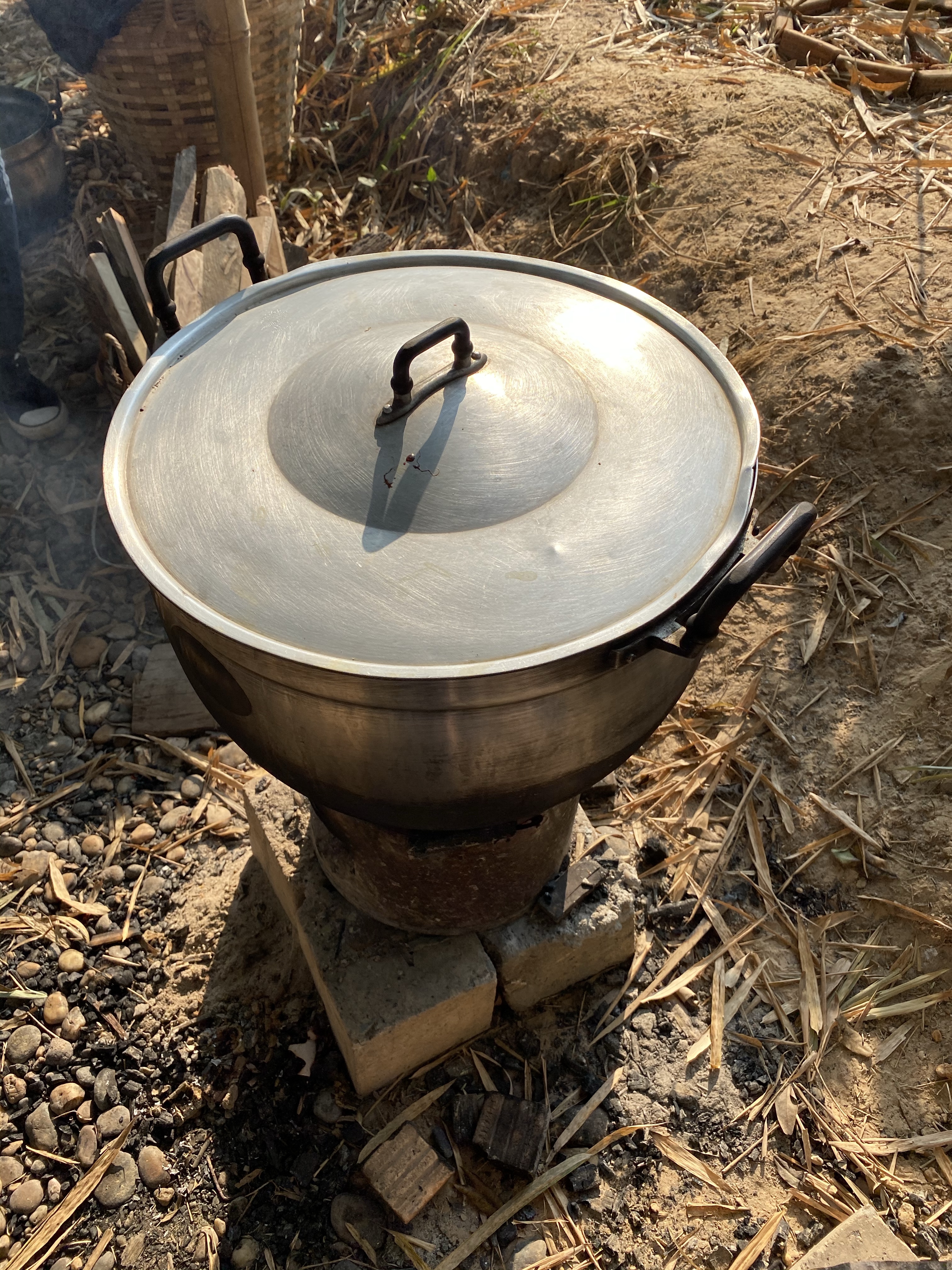
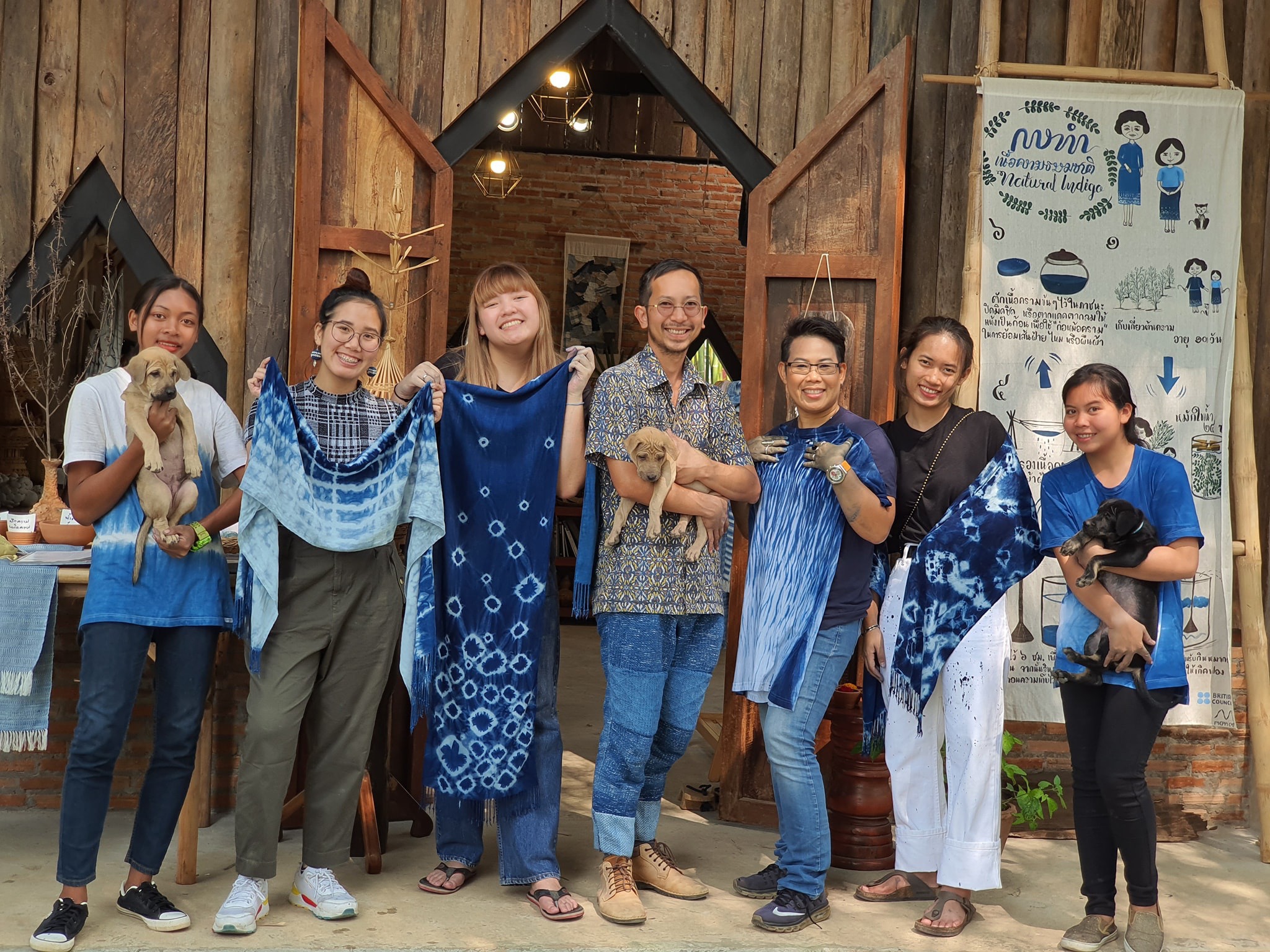
Out of the visit in 2019 to my Thai friend Mann’s craft dye garden in Sakhon Nakhon (Northern Thailand) I retain a strong sense of belonging. Grand daughter of a French farmer I have always had this attraction for planting but living in Urban Glasgow for the last 30 years have not given me a chance to put this to practise . In his garden, Mann grows rice and other vegetables but also, Indigofera Tinctoria, and many other dye plants. He harvest them and and uses them sustainably in his process with textile.
Below images about Mann’s Indigo dye garden in Northern Thailand
In may 2022 I met Lottie Delamain the garden designer for the fashion revolution “Textile Garden” at the 2022 Chelsea flower show and she shared with me her intense liking for a similar garden in North Vietnam years ago. There is a sense of peace and belonging coming from them. My chosen location for my own dye garden is in the Glasgow Botanical garden, a garden set up by Victorian fathers of the City in the 1870’s to enlighten and educate about plants. My plot is at the top of the garden by the medicinal, dye and herb gardens. It used to be the physical garden, a space where plants were referenced and grown for educative purpose. Such a suitable space.
“From seeds to colour” is a concept that sustainable natural dyers are embracing by growing and foraging for locally grown plants to create a colour pallet in the shades of the rainbow. When talking about dyes, I wanted to pay respect to a 17th century French reformer of the use of Natural dyes. Colbert minister to Louis XIV in his reforms aimed to separate the “Grand Teint dyes” (colourfast dyes) and the “Petit Teint dyes” (more ordinary dyes which sometimes are not as colourfast and need over-dying), today many are confused about the difference between dyes and colours and many novice dyers are using food items such as “Red Cabbage” as a source of dye… those are not dyes but merely fugitive food colour which should be kept to the kitchen. In my garden most plants are “Grand Teint” and I will aim to educate the visitor to that effect. In dye workshops I will use a variety of Natural dyes to create rainbow colours. (See below photos of some of the colours achieved).
I want to produce the colours blue with visitors, participants and volunteers, through growing and processing Japanese Indigo and Woad. But some other traditional dye plants such as Madder, Weld, which are “Grand Teint” and will add other plants such as dye flowers which produce “Petit Teint” dyes. No space will be given in this garden to fugitive dye plants.
The idea of sharing the experience with a group of people made me recruit some volunteers to prepare the grounds, help with the planting and the maintenance of the garden. Some events are due to take place during the summer. Natural dye workshops and demonstrations are planned for early summer, other events are planned too. I will be able to share with your group if you have a desire to discover about Natural dyes. Be in touch. If you click the links below you will read about the experience of some of those growing with me:
My first choice of plant is Persicaria Tinctoria (Japanese Indigo), it is a well suited Indigo plant that will stand Scottish weather. I have grown it in 2021 in Urban Glasgow with a lot of success, in this blog post you can read the story https://thelansdownehouseofstencils.com/2022/02/11/from-seeds-to-blue-in-the-covid-year-of-2021-i-grew-japanese-indigo-in-scotland/. For 2022 I have recruited a number of home growers to share the experience. In the Facebook group https://www.facebook.com/The-Indigo-Plot-at-the-Botanics-100479995960184 you will be able to see their regular update. 25 at home growers with very different background… gardeners, natural dyers, textile artists, Artist… each of them growing 25 plants.
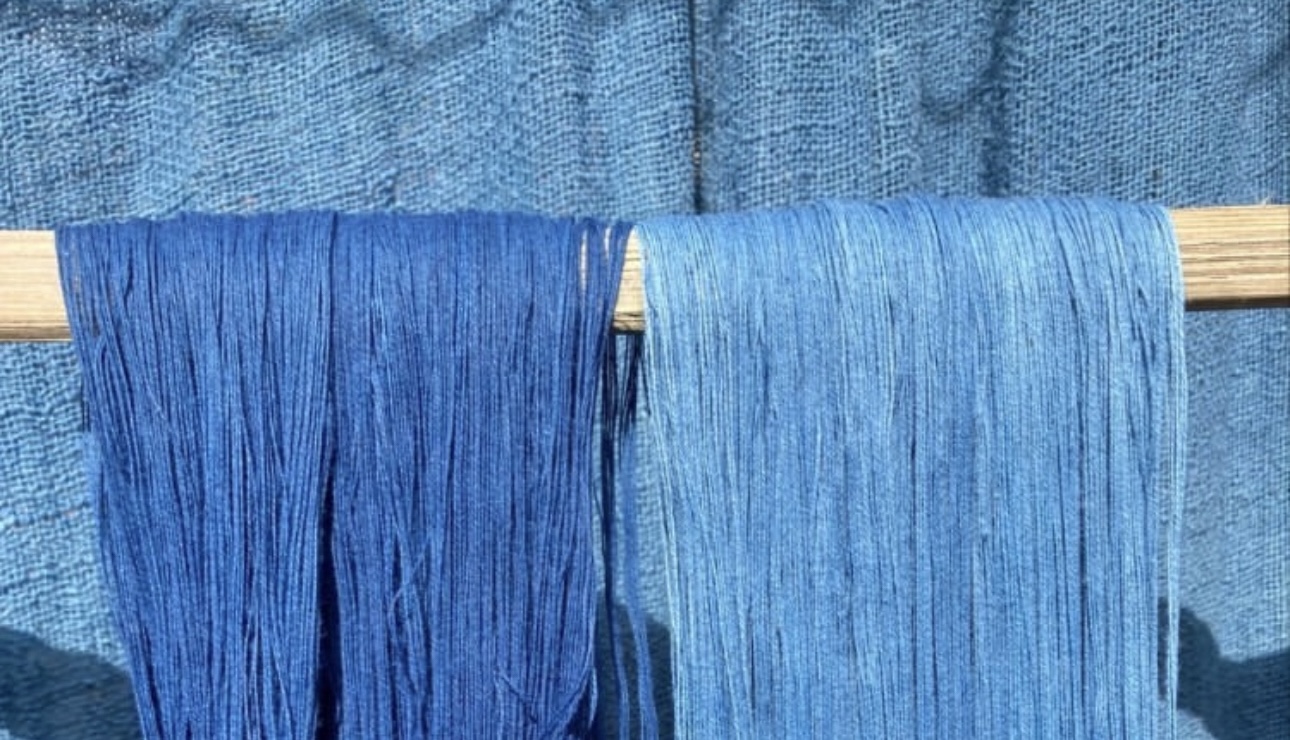
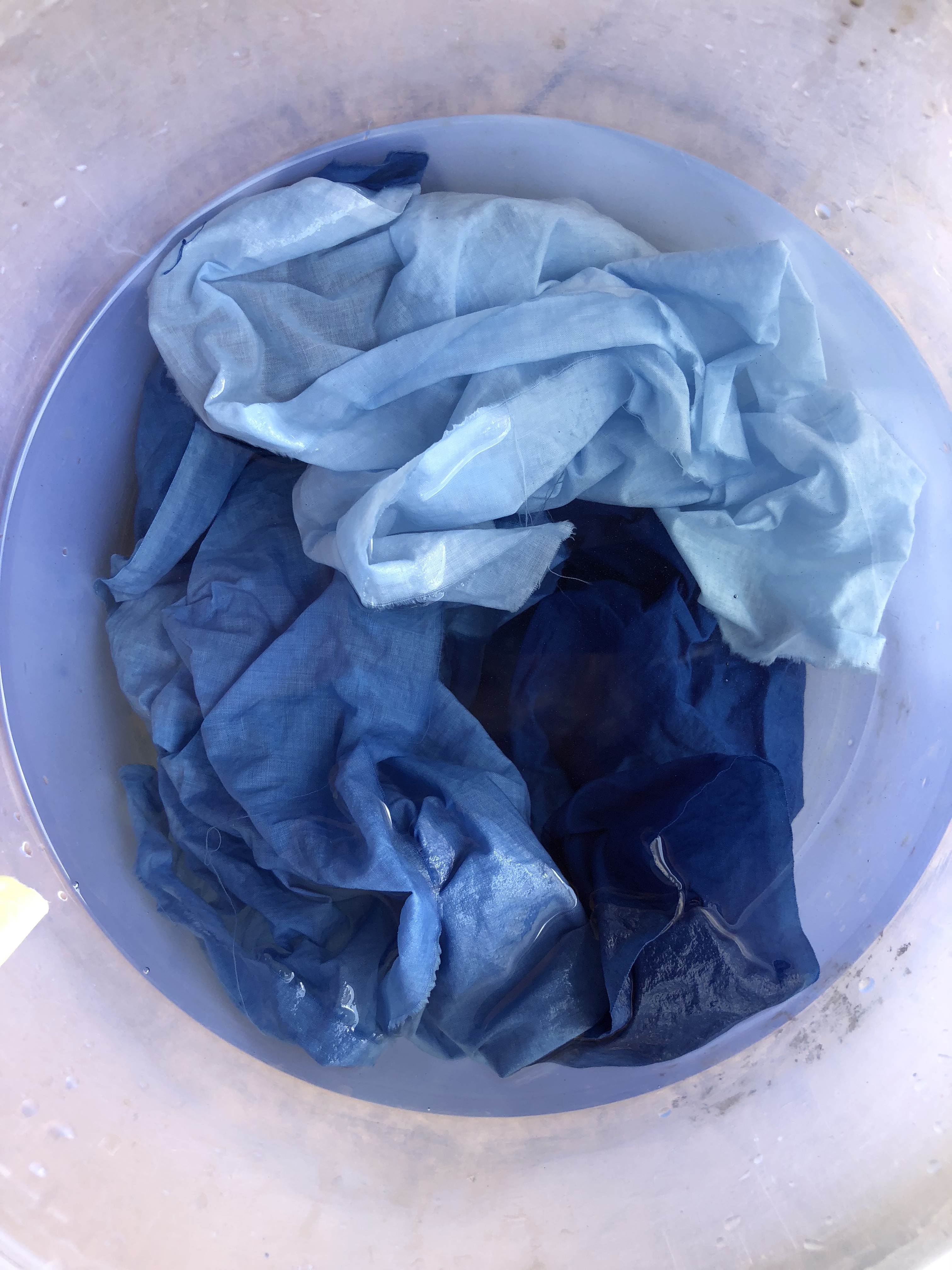
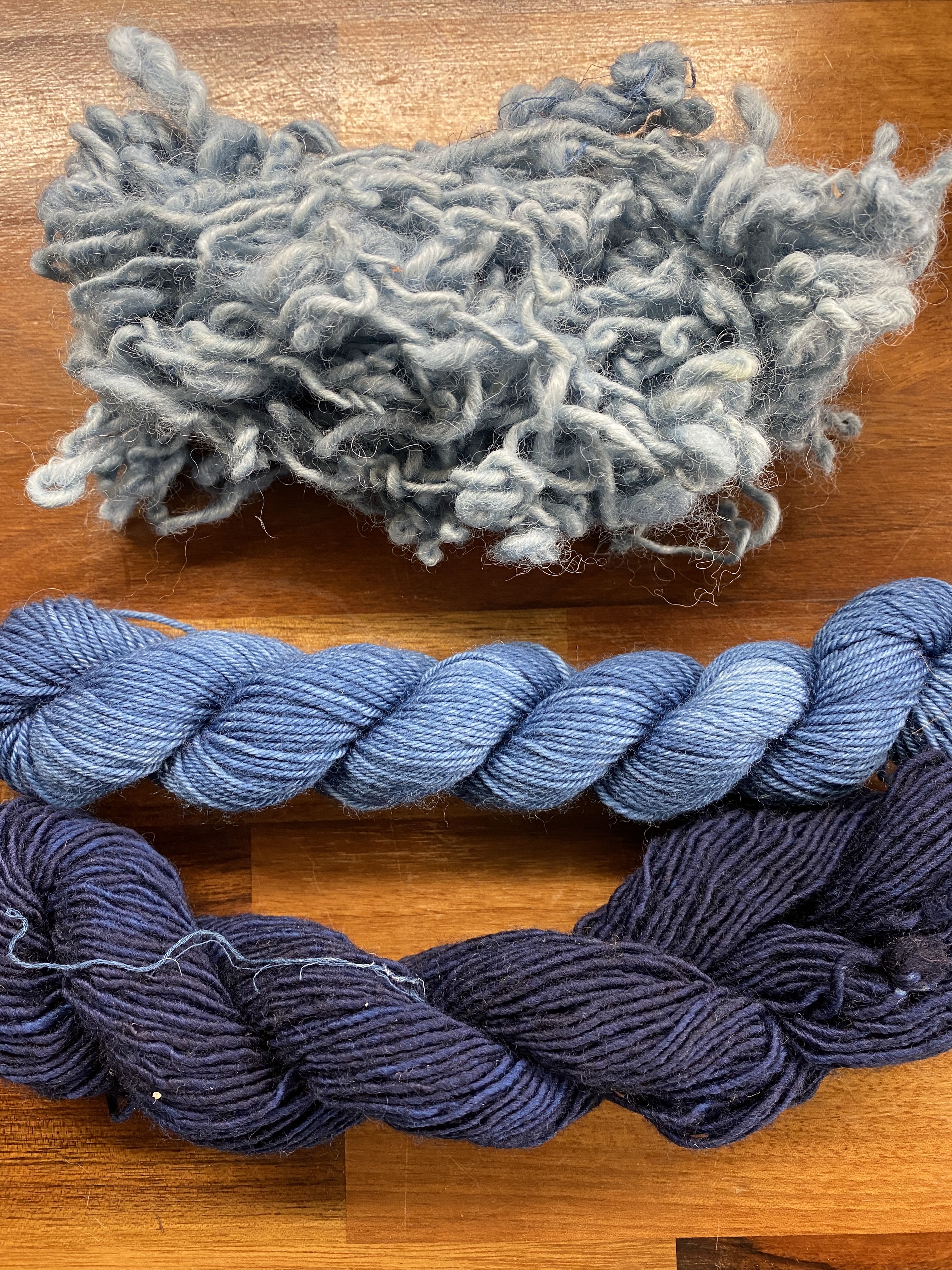
Out of Persicaria you can get a beautiful blue… FRESH LEAVES DYEING AND METHODS WILL BE SHARED WITH PARTICIPANTS . Woad will be a great contrast with a softer blue. Below are images of some pieces dyed with Indigo pigment.
I will be running two workshops about Indigo vat building and dyeing as well as using Fresh leaves Indigo in order to create blue on silk. You can book a space below. The sessions will be ran in the Glasgow Botanical Garden – Kibble Palace both time and are suitable for beginners… I will be offering a visit to The Indigo Plot on the same day.
The plants we are growing at the Plot:
- Persecaria Tinctoria (japanese Indigo), a South East Asian plant with large leaves, the pigment can be found in the leaves and it grows well in climate country like Scotland. We grow 4 varieties (Long leaves, Senbon, Maruba or broad leaves, Kojkoko) about 500 plants, we will harvest during the summer 2022 to extract pigment, dye with the fresh leaves techniques.
- Isatis Tinctoria (Woad) an ancient plant used in the West to also produce blue pigment. It is a bi-anual but only produces pigment the first year. We will dye wool from fresh leaves vat.
- Flax, Linum, a grass that produces linen. We will be growing a good few plants to extract the fiber. I hope we will be able to spin it and weave.
- Weld, a traditional yellow dye plant also a Grand teint.
- Genista (reseda) for Yellows
- Madder or Rubbia Tinctorium or a traditional root plant (Grand teint) used to create a huge range of red shades
- Dye Flowers (coreopsis, dyers camomile…)
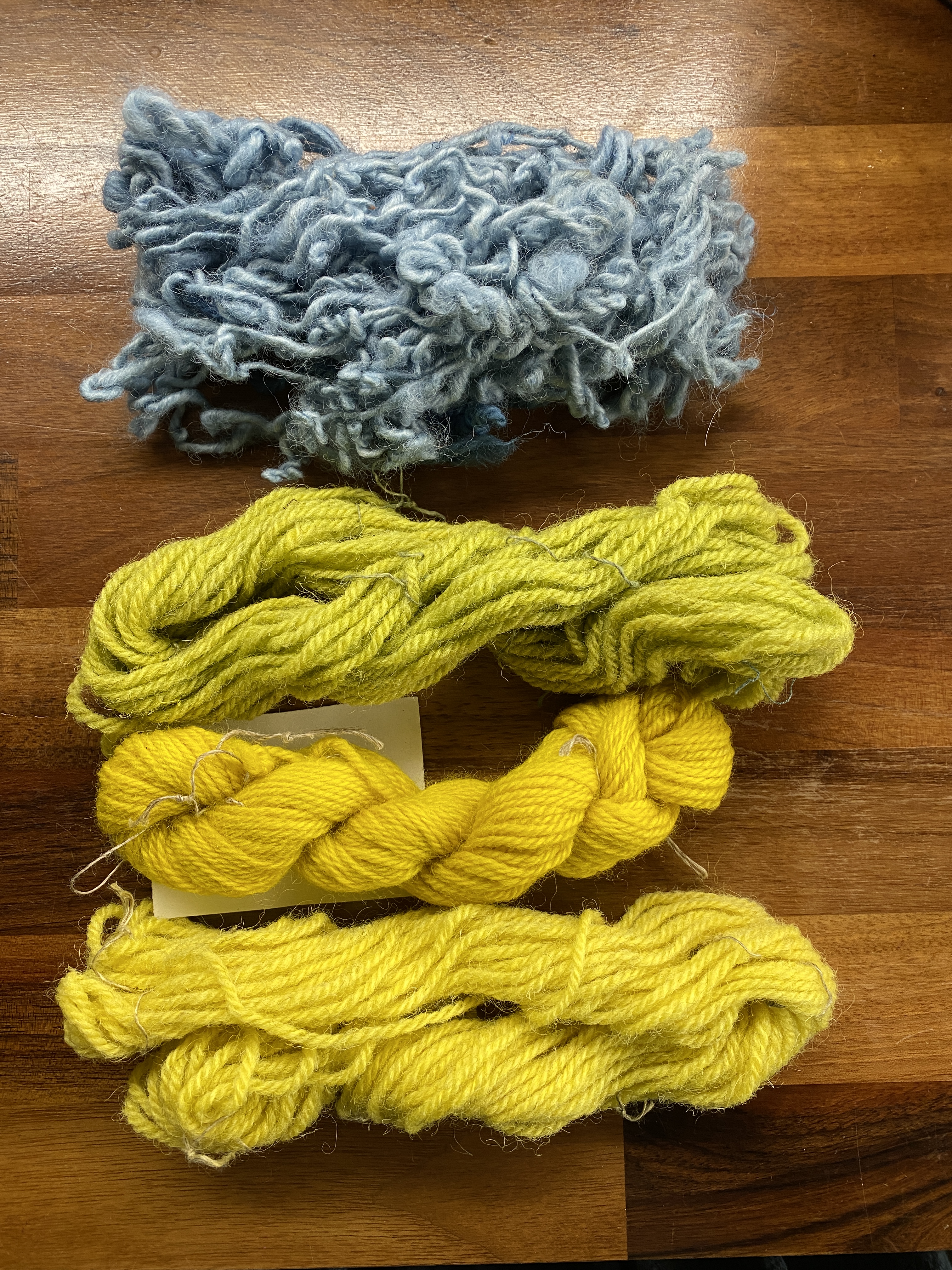
And below the colours we will be dyeing with them:


I hope that you will be taking part in the activities of the dye garden…
If you would like to register as a volunteer to water or tend the garden please be in touch bettysbeautifullife@gmail.com
Please be in touch or post in our Facebook group https://www.facebook.com/The-Indigo-Plot-at-the-Botanics-100479995960184
Happy blue dyeing..
Betty x
Discover more from THE LANSDOWNE HOUSE
Subscribe to get the latest posts sent to your email.
 THE LANSDOWNE HOUSE