I am happy to announce the release of my new online self paced Botanical printing on paper course.
After booking a space you will be receiving a link to a web page where you will find the instructions in the form of 12 lessons. The course is released for the first time on the 1st of Septembre. One lesson is released every two weeks. Once all the lessons will be live anyone booking into the course will get the whole course in one go.
You will also be admitted on the Facebook page support of the course. There you will be able to share results and exchange with other participants.
There is a progression in the course and some real learning. I will be at hand for questions but there are no live sessions included in the course. However you get to keep the instructions after you are done.
It is perfect for beginners and more experience printers alike. To book a space please use the link below:
LEAVES ON PAPER – SELF PACED COURSE IN BOTANICAL CONTACT PRINTING ON PAPER
This is an online course in Botanical Contact Printing on paper. It is perfect for beginners as it teaches step by step. It is based on written instructions, photos and video material, a FB for support and from time to time a live session. It was released in September 2022. You have access for life.
£120.00
Botanical Contact printing on paper is a wonderful technique allowing you to record nature around you to create beautiful prints on a variety of paper. Using knowledge and techniques that have a lot in common with Natural dyeing, it only uses Botanicals and no added acrylic or synthetic colours to create wonderful marks.
The seasons, the places visited and the happy and special times can be recorded in beautiful art work, prints, botanical diaries, and others and beautiful pieces and memories for times to come.
I am a Botanical Printer and a Natural dyer and I live in Glasgow Scotland. My Art practice is sustainable and I work with Nature around me to create prints and colours on all fibre. I research my methods and I teach them online live, and in person workshops.
I have been teaching Contact Botanical Printing for a few years now and I love sharing my techniques allowing all that I teach to become also expert in the technique. So far I have taught this method in an online live 12 months course and in physical workshops but many have asked me to put together a self paced course, more practical when time is precious or time zones different.
This is my new online self paced course and I would love you to join my community of printers.
With this course you will learn :
to understand your fibres and mordants
to select your equipment for a practical home studio
to recognise your leaves and what they can do for you, (colours created, colour modified)
to save your leaves for winter printing
to extract dyes and tannins via natural dye matters foraged or purchased.
to create dye, tannin and ferrous blankets
to simmer and steam for different results
to understand ph shift and play with it
to create a botanical paste to over print
to create amazing prints and to neutralise and finish them.
This course is web based and includes 12 chapters (instructions, photos and small videos material). From Septembre 1st 2022 they will be delivered one by one via email link, every two weeks. Once the course is completely online you get to keep it. Participants who join after the 1st of septembre will get immediate access to all that has already been released. There is no limit of time for booking. The course is for you to keep and You will have access to a FB group for support. I will visit the group several times a week and answer your questions.
You will be part of an online community and I look forward to meet you there.
Some of my previous participants say…
” There was so much to learn and you made it so easy with your step by step method”
“I love being in control of my prints and understanding my results”
“Recognising dyes to tannin was always an issue, I now know which will give me the effect I want”
“You made me love the leaves around me, they now tell me a story”
“I am amazed about my results… I did not think I had a creative bone in me and I love the results I am getting now”
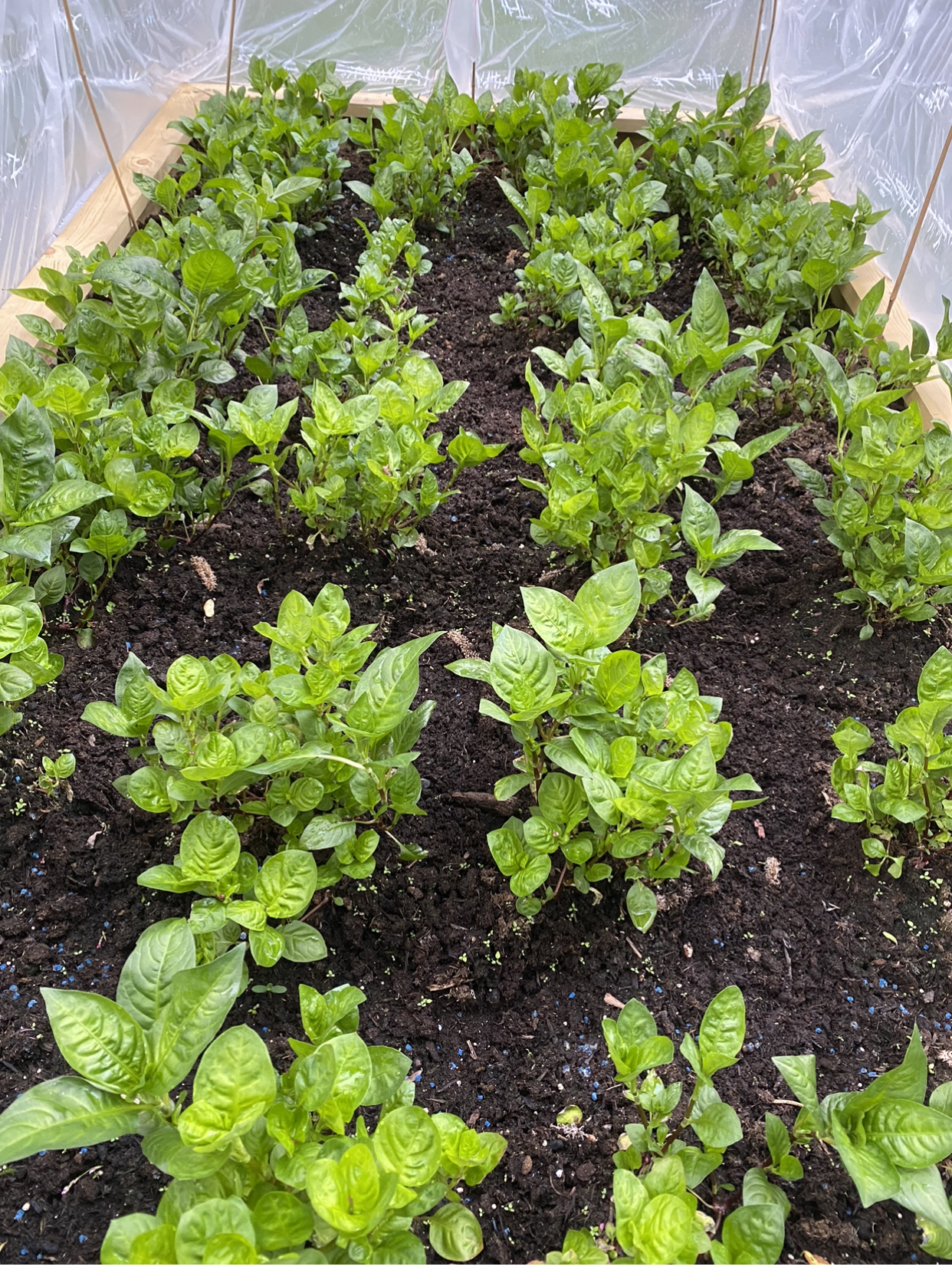
June has come and is almost gone in Glasgow, the weather is finally warm and we have a lot of sun, and our Japanese Indigo, Woad, Flax, Madder, Genista plants are in the ground at #theindigoplot. They are growing strong and the Indigo pigment is starting showing in the green leaves of the Indigo plants. I feared slugs attack but they have not come.
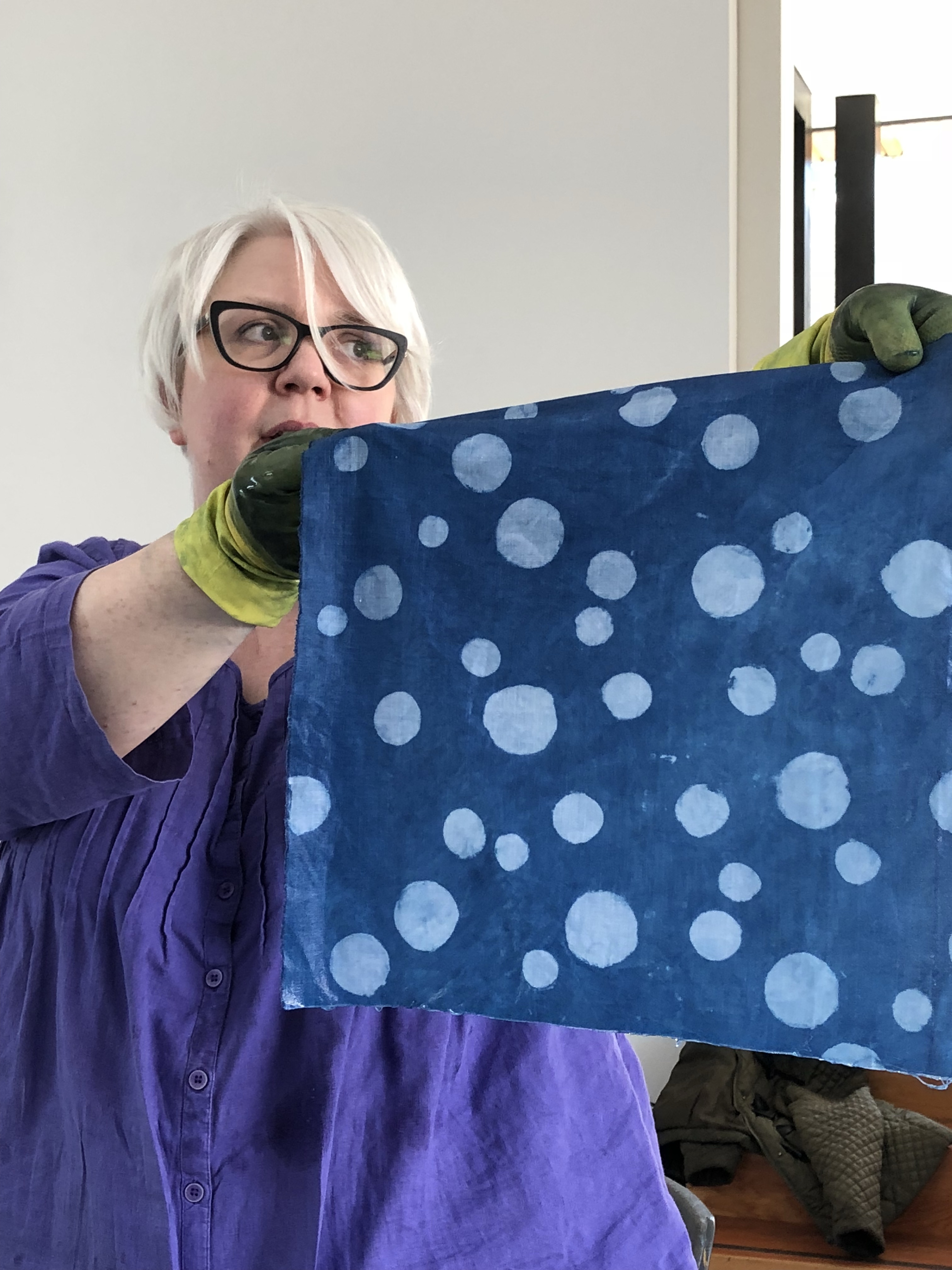
We had a fantastic planting day two weeks ago with some volunteers coming to help, all plants went in the ground and we even fond some time to make a few blue shibori prints on cotton using a quick Indigo vat. The sun was shining and #theindigoplot came alive.
UPCOMING INDIGO WORKSHOPS IN JULY AND AUGUST:
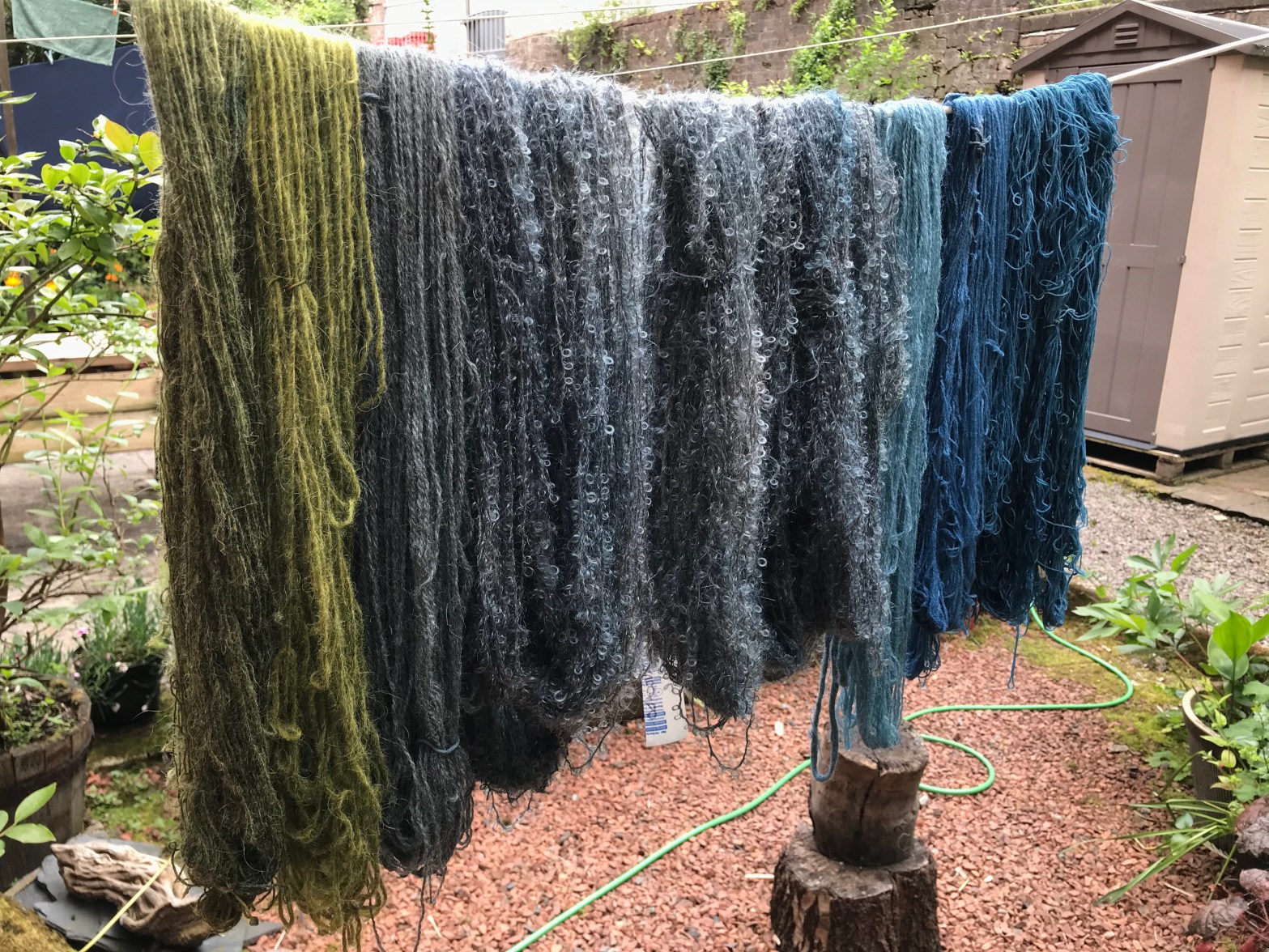
Our next event will be an afternoon Indigo workshop in the Botanical Kibble Palace. One in July FIND INFO HERE and one in August FIND INFO HERE During those sessions we will set up Indigo vats, dye Shibori pieces and use fresh Japanese Indigo leaves to create blue yarn.
MEET THE MAKER :
Over the past couple of months I have introduced some home growers but I think it is time I introduce myself as a grower.
ELISABETH VIGUIE CULSHAW – TEXTILE ARTIST, NATURAL DYER, GROWER OF DYE PLANTS.
Who are you? Elisabeth Viguie Culshaw
What do you do ? I am a textile artist based in the West end of Glasgow (Scotland), I run a sustainable studio and work with natural dyes and botanical prints. I am passionate about Indigo in all forms. I teach in person and online classes in Indigo dyeing, Botanical printing. I love community projects, involving many to share creative tasks.
I lead #thetruecolourofthecotinus project. A global online Botanical printing project involving over 500 participants worldwide.
I initiated #Theindigoplot a natural dye project. A natural dye garden in the grounds of the Glasgow Botanical garden. There I have planted 4 types of Japanese Indigo, some Woad
What is your connection with dye plants and Indigo? I have been using dye plants and natural Indigo for a good few years but in 2021 I started growing them first in my own urban garden. When travelling to South East Asia I have built up a strong connection with Indigo dyeing and I have practiced there, vat building and pigment extraction. In 2022 I have started #theindigoplot a natural dye garden in the grounds of the Glasgow Botanical garden. From seed to colour is the idea behind the garden. Educating the visitors to how colours in natural dyed cloth are created.
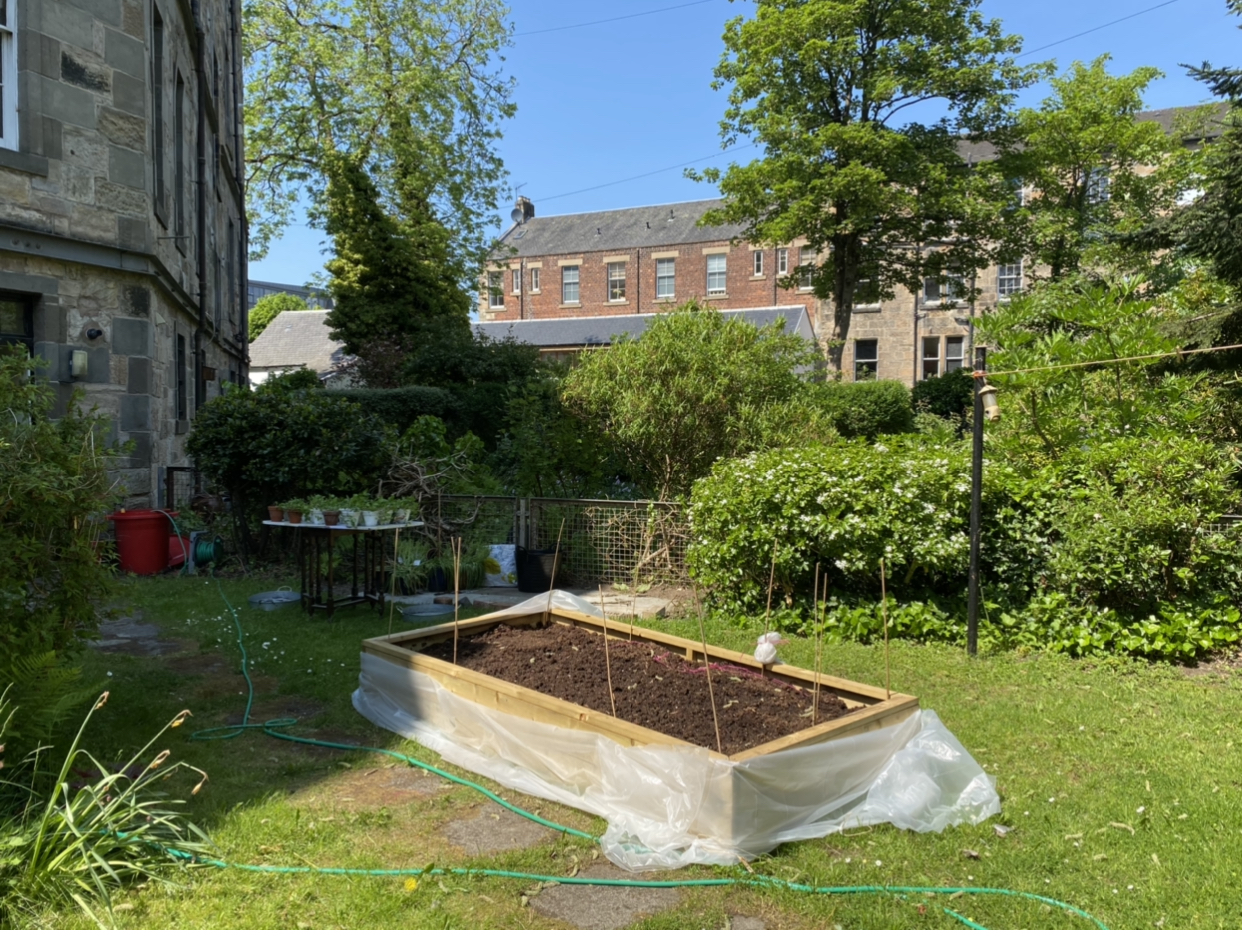
Where will it grow and how will it be used? In 2022 I will be growing dye plants both in my home based urban garden, in box beds for my own personal use in my studio practise and in the Indigo plot. There I will be growing Japanese Indigo (4 types), Woad, Madder, Genista, Weld, and some dye flowers as well as Flax. I want to give visitors to the garden a chance to view the plants and experiment with them via workshops and demonstrations during the summer season. I will be running online and in person workshops on Indigo and natural dye techniques.
On the 10/11th of September during The True Colour of the Cotinus exhibition I will be demonstrating natural dyes in the Glasgow Botanical Kibble palace. On the 18th of September as part of the Glasgow Doors open days a visit of the garden will be offered together with a demonstration of dyeing with Fresh leaves.
We are very excited to see our little plants getting stronger and stronger and ready to fend for themselves in The Botanical Garden. This Saturday we will plant Japanese Indigo, Woad plants and Flax seeds. A very exciting time … I hope you will visit in the summer if you are around. But event if you cant be here in person I want to share the project with you. I hope it will inspire you to grow dye plants in your own surrounding and learn to use them in a sustainable manner to perhaps up-cycle some of your garments?
As well as growing plants in the grounds of The Botanical Garden I wanted to share further afield and I recruited 24 home growers who wanted to give this a go. I share some seeds with most of them and regularly we are coming together on zoom to catch up with our progress. They are gardeners, dyers, artists, or just simply colour lovers … I have asked them to introduce themselves and this month we are discovering Deborah Gray a textile lover and like me a full time self employed artist from the West of Scotland and a wool lover whose natural dying is very close to nature. I met Deborah through my online teaching and we have connected very well indeed. I love her sustainable approach and her deep connection with nature. Deborah set up a dye garden in Oban (Scotland) where she grows a number of dye plants. She grows Indigo and Woad in it.
She talks about her love for a sustainable practise and her work below, all photos are Deborah’s: (photos and words are copyright of Deborah Gray 2022)
Who are you? Deborah Gray
What do you do ? I’m a textile artist based in Oban, on the west coast of Scotland. Much of my work reflects the connection between land(scapes) and the materials which grow there – fibres and dye-plants. I am also a tutor, teaching spinning, knitting and natural dyeing both here in Scotland and internationally.
I am Lead Artist for the EcoCreative Cluster project at The Rockfield Centre, Oban.
What is your connection with dye plants and Indigo? I have been growing and using dye plants since the early 1980’s, including Woad and Japanese Indigo. I am growing Woad, Weld, Madder and some other dye-plants in my own garden as well as some plants for botanical printing.
In 2021 with a small group of volunteers I established a dedicated dye garden in the grounds of The Rockfield Centre as part of the EcoCreative Cluster project, and we grew and dyed with our first crop of Woad, as well as many other dye plants. We have about 20 different dye-plants in the dye garden. The EcoCreative Cluster project this year will create artworks for The Rockfield Centre themed on the Celtic tree alphabet, using natural dyeing, botanical printing and work using natural pigments on parchment (to be exhibited in January) as well as having workshops and a second series of on-line Artist Conversations with international artists who use natural dyes and materials in their practice.
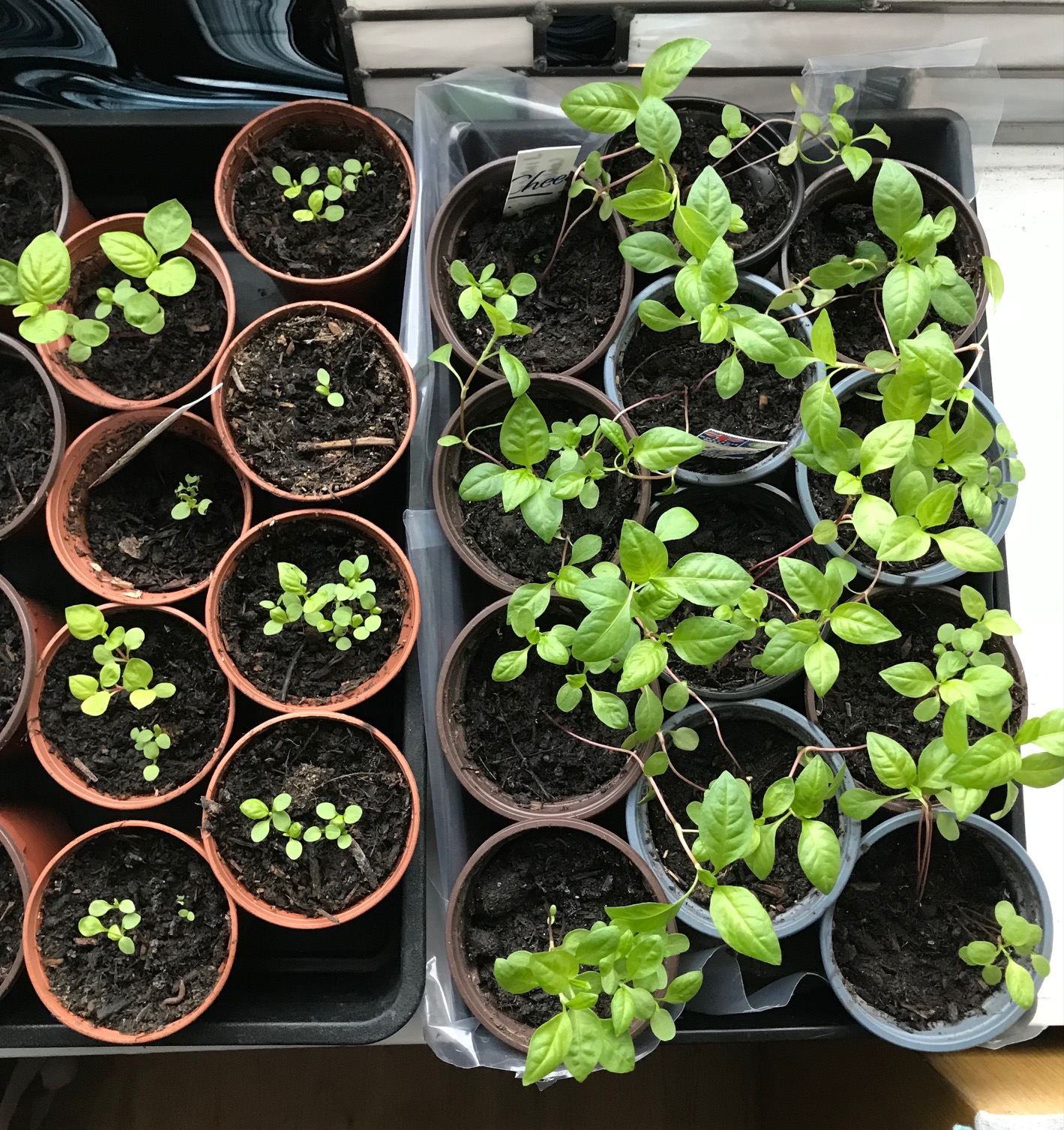
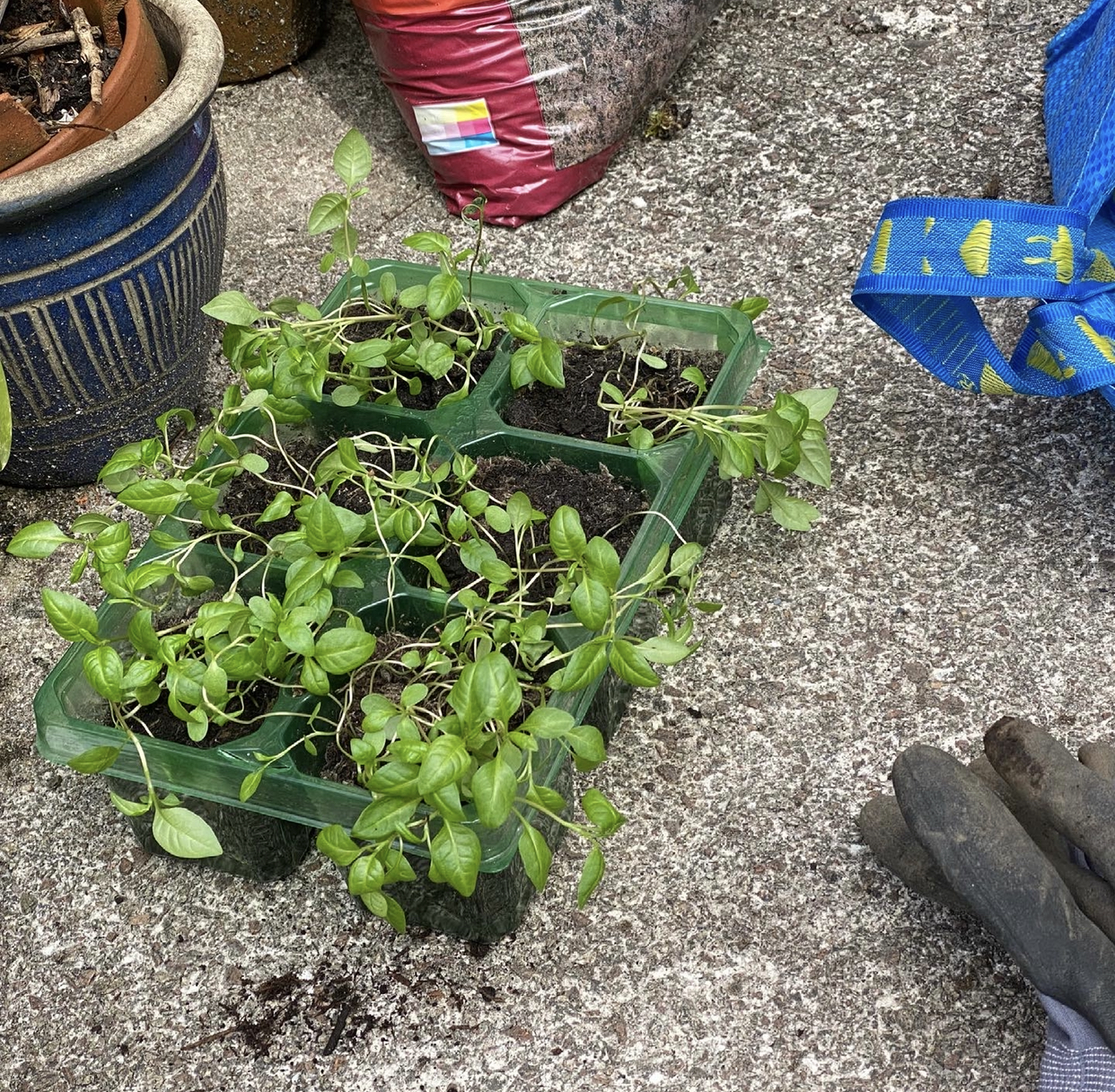
Where will it grow and how will it be used? This year I am growing Woad at home, and we are growing both Japanese Indigo and Woad for the dye garden. We are growing two types of Japanese Indigo – the long leaf variety and the round leaf variety, and I hope to have enough to compare the dye potential of the two types. The round leaf variety has been much slower to develop so far. The seedlings are still in pots on my sunniest windowsill, but they will move to the dye garden’s cold frames by the end of May and be planted out in a raised bed around the middle of June. The Woad seeds have been planted directly into a bed – they are on the shadier side of the garden this year as I move the plants around the plot each year. Last year’s Woad plants are now about 1.5 metres tall and in full flower, so we should get a good harvest of seeds.
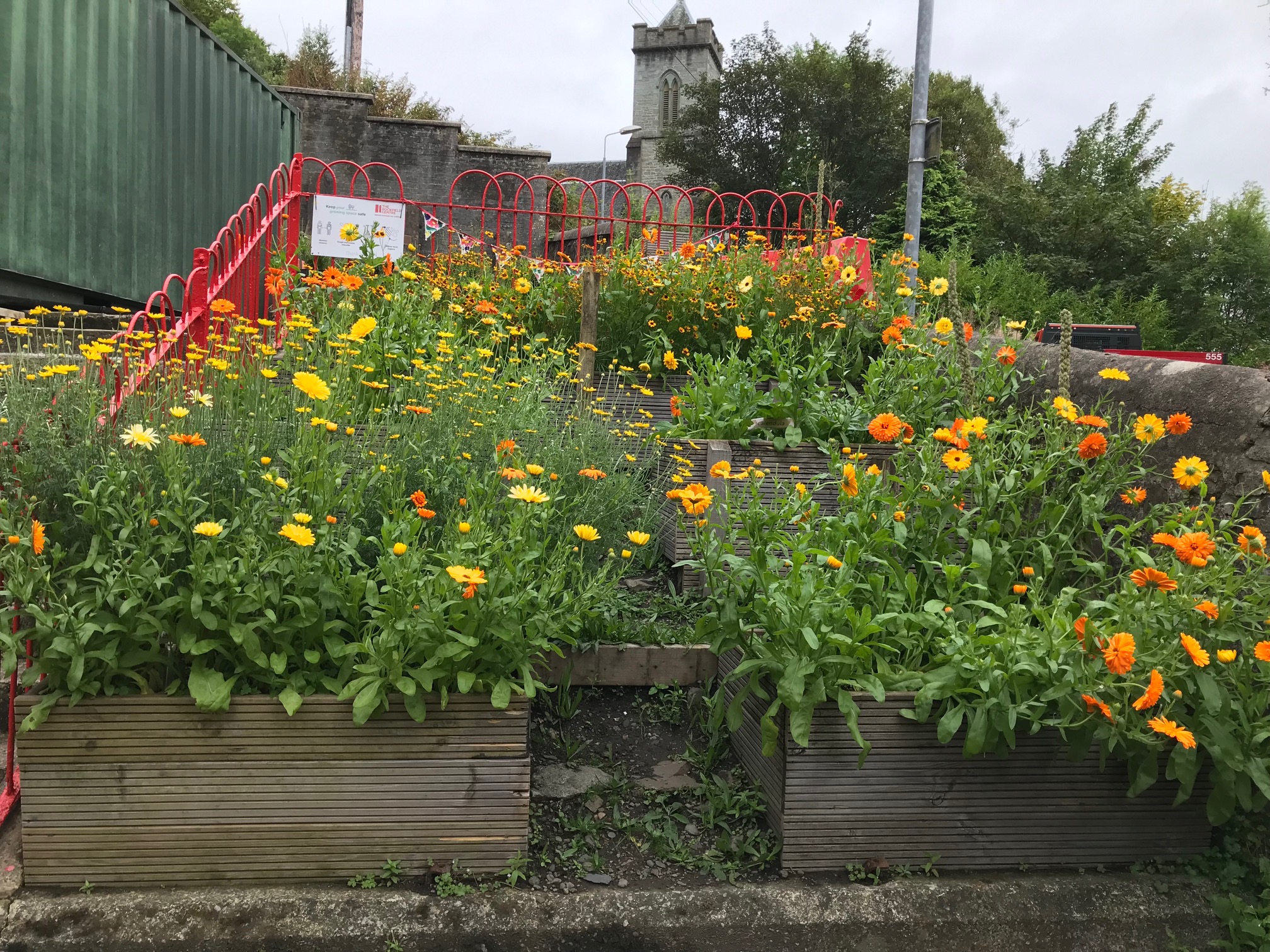
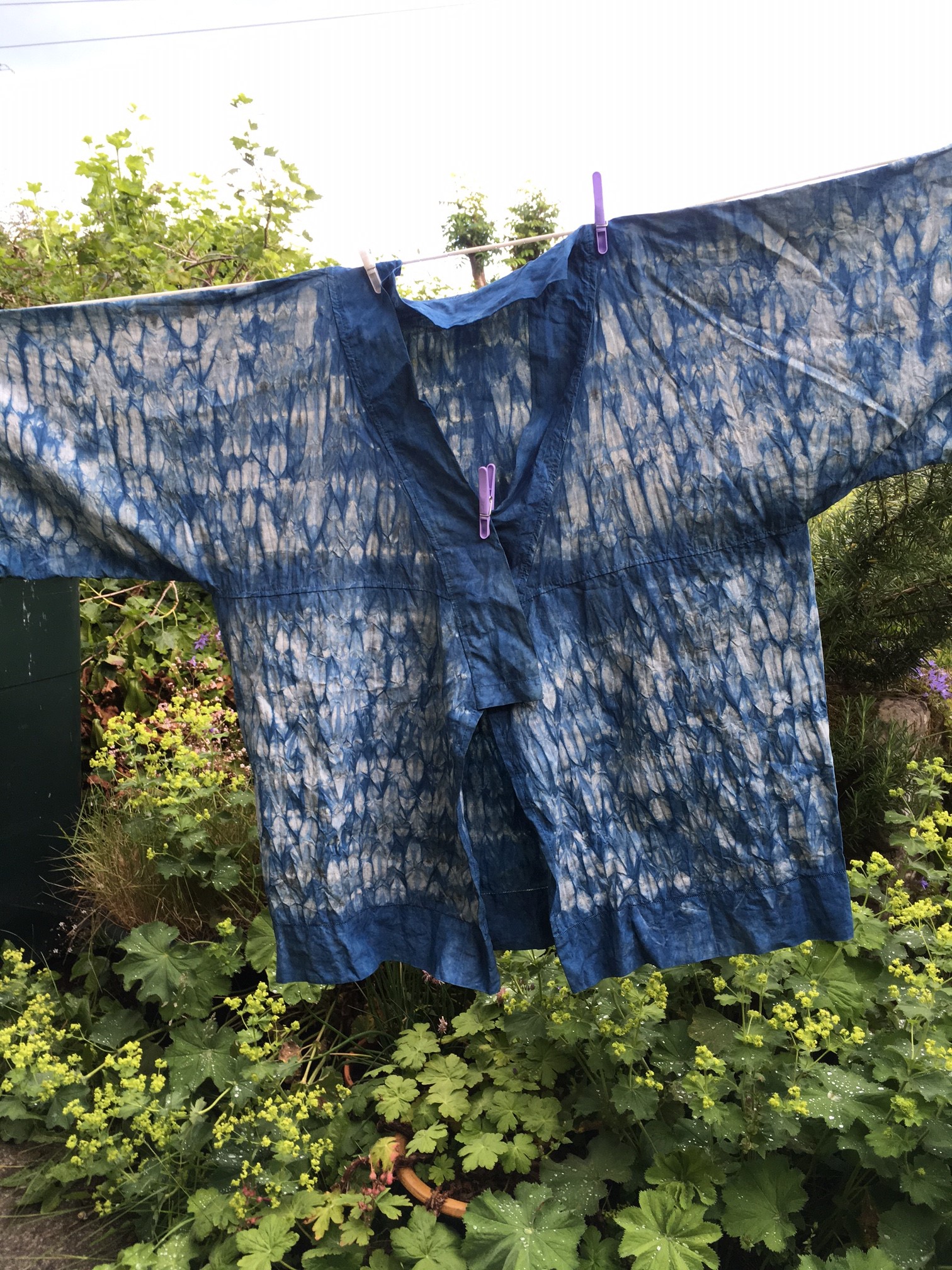
The dye garden at the Eco-clusterA selection of Deborah’s hand dyed wool with Natural dyesDeborah’s Japanese Indigo plants Long leaves/Broad leaves in MaySome Shibori work Woad dyed wool in Iona (Scotland)
In August, as part of an exhibition at The Rockfield Centre (19th – 29th) I will be doing daily dyeing demonstrations using plants from the dye garden and if the Japanese Indigo is ready by then I will use some. I will also have an indigo dyeing day in September. Last year and earlier this year I ran some Tatakizome (plant hammering) workshops and used Woad leaves successfully, so we may do the same with Japanese Indigo. Depending on how well the plants grow and how much we can harvest I may experiment with drying or freezing leaves for later use and making indigo pigment.
For more information about the EcoCreative Cluster project and dye garden go to Eco Creative Cluster — The Rockfield Centre and follow #ecocreativecluster and #therockfieldcentre on Instagram
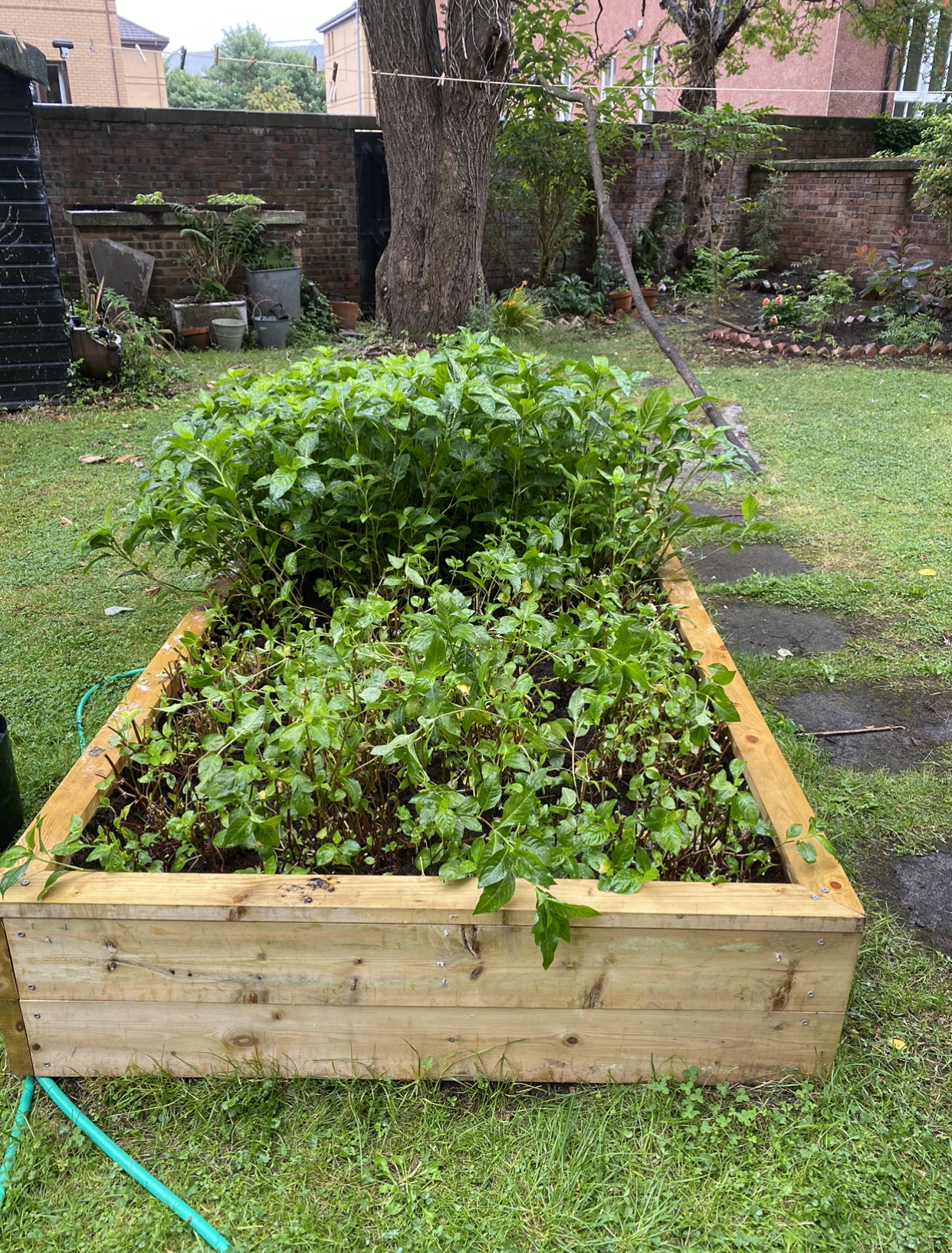
GROWING a dye garden has become a great way to generate plant based colours for dyeing fabric and yarn. A more sustainable way to bring colour in our life. I started growing my own Japanese Indigo in Glasgow because of the Covid crisis but after we went back to normal I decided to keep going and to ask The Glasgow Botanical Garden to allow me to use a small pace to grow the plants there too.
In 2025 for the 4th year I will be growing on the grounds of the Glasgow Botanical Garden some Japanese Indigo, some Woad, some Genista, some Weld. Two large beds right by the side of the Glasgow own dye garden.
I grow fewer species but in bigger quantity, and I use them during the season to generate colour. I also engage with the public in order to educate at grass roots level about the great benefits of growing your own dye plants. I engage with schools to teach the children about teaching young children about the connection between the plants and the colour. I teach adults at home to grow their own Indigo and Woad to give them this amazing good feel that growing gives…
LOOKING FOR VOLUNTEERS FOR THE INDIGO PLOT @ THE GLASGOW BOTANICS
And I would love if you would get involved.
Below is the account of my first year of public growing and some links to some of the growers of the first experiments, if you are local AND WANT TO BE INVOLVED please be in touch by email bettysbeautifullife@gmail.com to let me know who you are and what you can share… I need some help with giving the garden a big upkeep, some digging, manuring, weeding during the season and off course planting and harvesting. If you are in Glasgow you know the weather is often changeable and we just need to adapt… it is not always a walk in the park … but the result is amazing. In return you will learn about the dye plants and will get to dye with your own grown plants at the end of the summer.
If you are away from Glasgow and you would like to run this at home… I have an online course I run with a small group every year. To you in the UK I can spare seeds. To others I will share ressources… Between April and end of July we will meet on zoom to touch base and keep our growing moving in the right direction. We will share tips and touch base to where we are. In July and August I will share some methods for extractions, for dyeing, for paint making with the pigment you can extract from your Woad and Japanese Indigo. So join by using the link below… it will give you a great ressource to learn to grow with.
The zoom sessions are recorded and will be shared for up to two years. They will come with written instructions for you to keep
In 2024, I grew Japanese Indigo with a group of 60 home growers all over the UK and some overseas. I was very honoured that THE LEAGUE OF ARTISANS chose to grow with me with their group of 20 growers towards a sharing workshop using fresh leaves Indigo and Woad during The Leek Textile week. To view the program of The Leek Textile week look HERE
In Septembre 2025 we will welcome colour and fibre lovers in our yearly exhibition at The Kibble Palace of the Glasgow Botanical garden for “Feeling Blue” exhibition. During the week end we share our love for the natural dyes and fibres and as well as see some of the dyes you can take part in hands on workshops, and observe some spinning, weaving and dyeing. Visits of the dye garden “The Indigo plot” are taking part in the Sunday afternoon and we test fresh leaves of Japanese Indigo for fun.
Please KEEP THE DATES – 20 & 21 SEPTEMBRE 2025… Details to follow.
The Indigo Plot at the Botanics is a small dye plants garden in the grounds of the Glasgow Botanical Garden in Scotland (UK). Curated by Textile artist Elisabeth Viguie Culshaw in the spring of 2022, Japanese Indigo (4 varieties), Woad, Weld, Genista, Madder, and Flax are planted, I want to educate and share with the public. Information about planting, growing and using dye plants to created sustainable colour for textile fibre will be shared during the following 24 months.
Below are images about my own dye garden in 2021
Indigo plants ready to go into ground spring 2021Elisabeth’s Indigo bed 2021Leggy Persicaria plants June 2021Persicaria tinctoriaPlanting pods June 2021Second growth July 2921Salt method on diverse fibres Indigo on left and Woad rightIndigo pigment extraction July 2021First Indigo vat with home grown pigment July 2021Persicaria Tinctoria (long leaf variety)Last harvest End Septembre 2021Japanese Indigo stalks routingJapanese Indigo being driedFlowering seasonIced blending methodSilk being dyed with Iced blending methodIce blending method with silk
My inspiration for dye gardens comes from my Asian travels over the past 15 years.
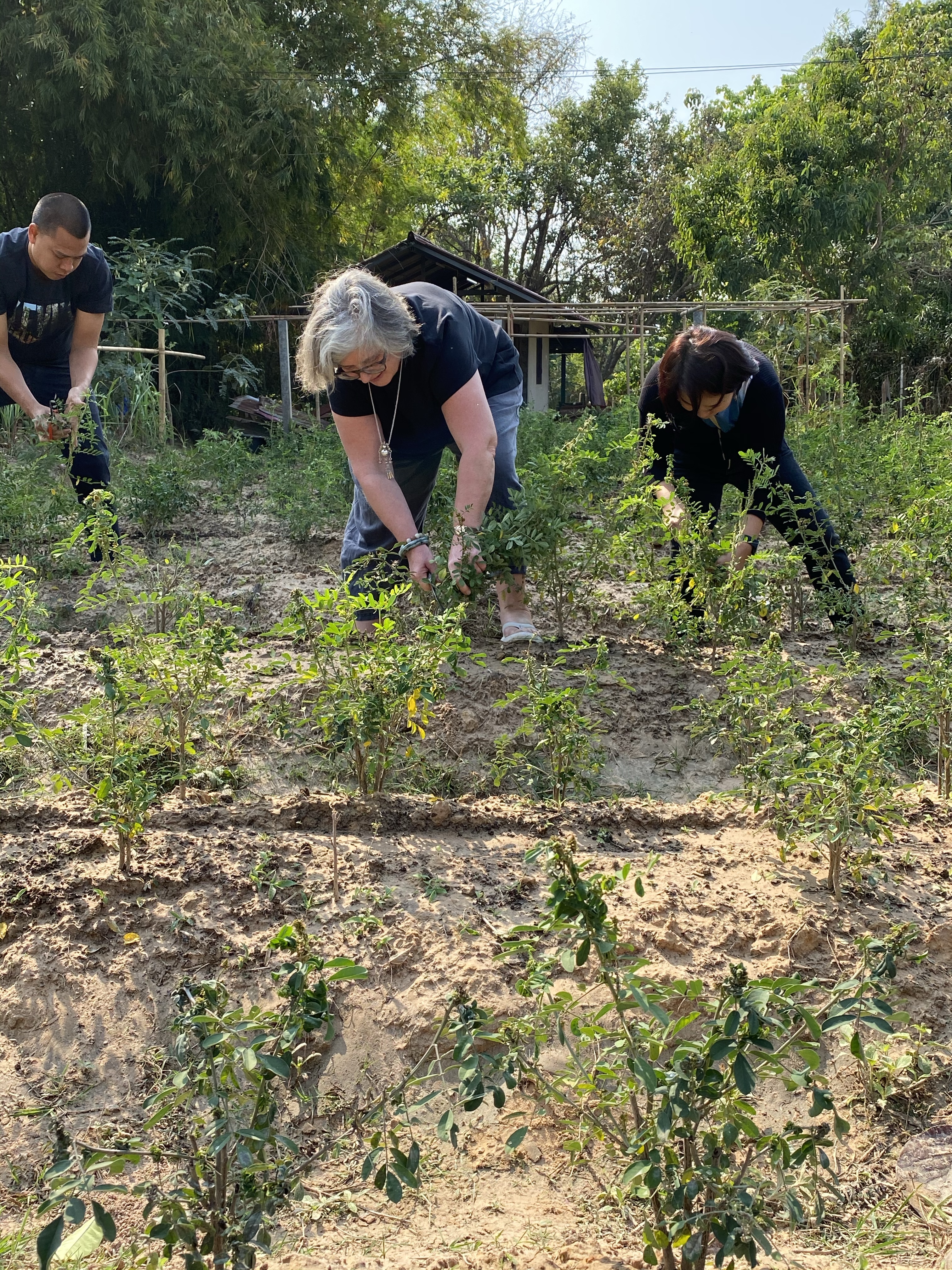
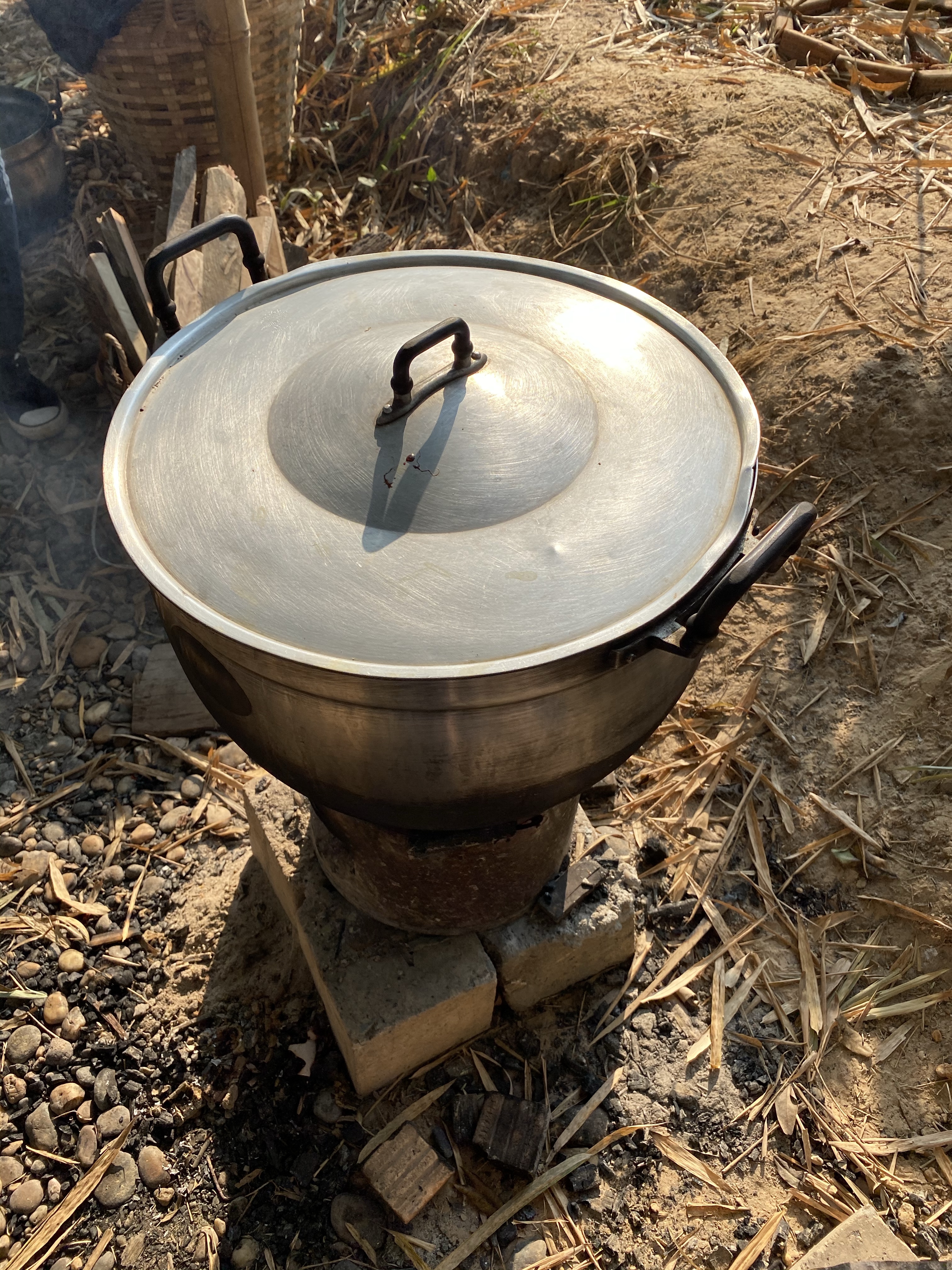
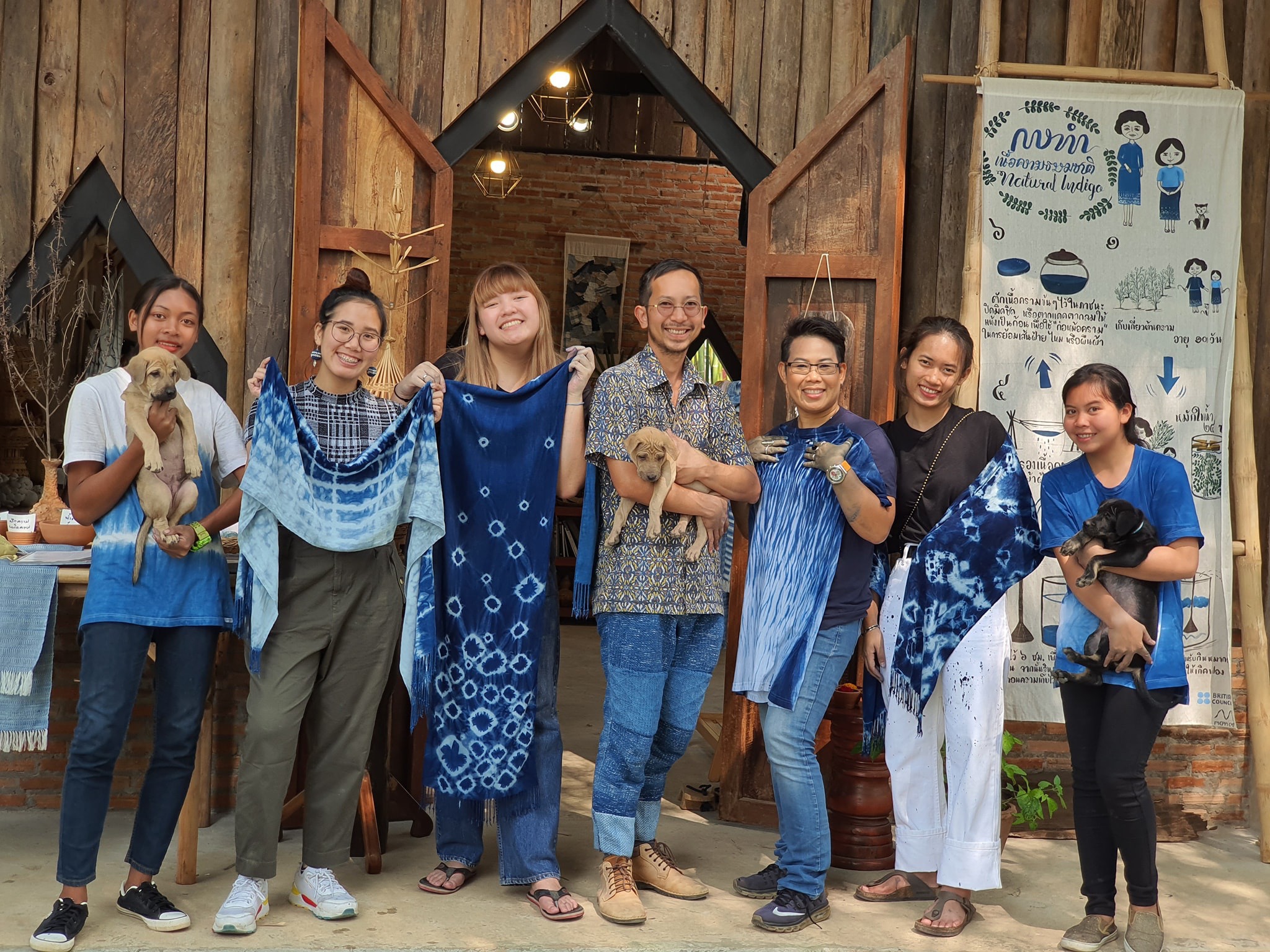
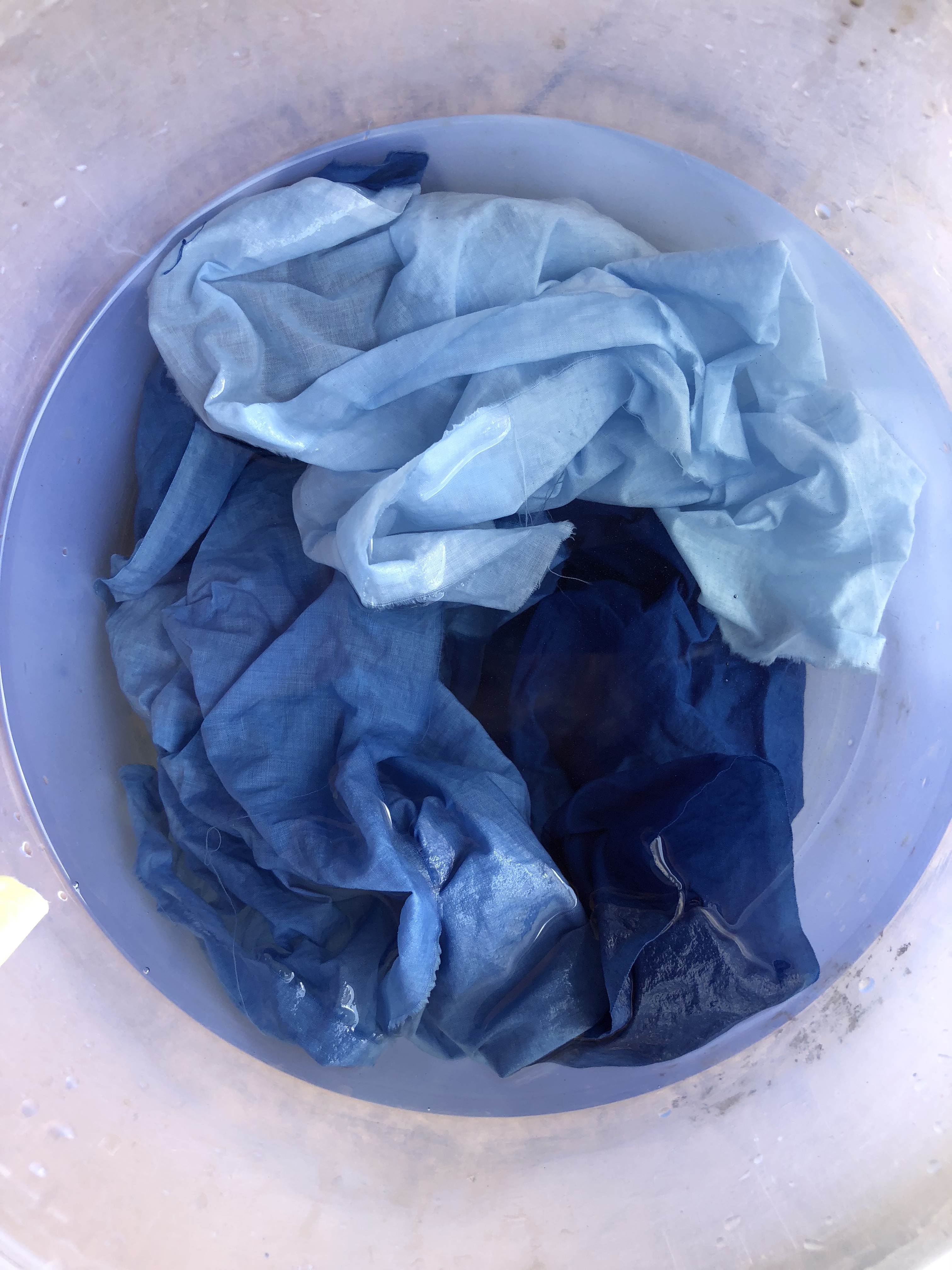
Out of the visit in 2019 to my Thai friend Mann’s craft dye garden in Sakhon Nakhon (Northern Thailand) I retain a strong sense of belonging. Grand daughter of a French farmer I have always had this attraction for planting but living in Urban Glasgow for the last 30 years have not given me a chance to put this to practise . In his garden, Mann grows rice and other vegetables but also, Indigofera Tinctoria, and many other dye plants. He harvest them and and uses them sustainably in his process with textile.
Below images about Mann’s Indigo dye garden in Northern Thailand
In may 2022 I met Lottie Delamain the garden designer for the fashion revolution “Textile Garden” at the 2022 Chelsea flower show and she shared with me her intense liking for a similar garden in North Vietnam years ago. There is a sense of peace and belonging coming from them. My chosen location for my own dye garden is in the Glasgow Botanical garden, a garden set up by Victorian fathers of the City in the 1870’s to enlighten and educate about plants. My plot is at the top of the garden by the medicinal, dye and herb gardens. It used to be the physical garden, a space where plants were referenced and grown for educative purpose. Such a suitable space.
“From seeds to colour” is a concept that sustainable natural dyers are embracing by growing and foraging for locally grown plants to create a colour pallet in the shades of the rainbow. When talking about dyes, I wanted to pay respect to a 17th century French reformer of the use of Natural dyes. Colbert minister to Louis XIV in his reforms aimed to separate the “Grand Teint dyes” (colourfast dyes) and the “Petit Teint dyes” (more ordinary dyes which sometimes are not as colourfast and need over-dying), today many are confused about the difference between dyes and colours and many novice dyers are using food items such as “Red Cabbage” as a source of dye… those are not dyes but merely fugitive food colour which should be kept to the kitchen. In my garden most plants are “Grand Teint” and I will aim to educate the visitor to that effect. In dye workshops I will use a variety of Natural dyes to create rainbow colours. (See below photos of some of the colours achieved).
I want to produce the colours blue with visitors, participants and volunteers, through growing and processing Japanese Indigo and Woad. But some other traditional dye plants such as Madder, Weld, which are “Grand Teint” and will add other plants such as dye flowers which produce “Petit Teint” dyes. No space will be given in this garden to fugitive dye plants.
The idea of sharing the experience with a group of people made me recruit some volunteers to prepare the grounds, help with the planting and the maintenance of the garden. Some events are due to take place during the summer. Natural dye workshops and demonstrations are planned for early summer, other events are planned too. I will be able to share with your group if you have a desire to discover about Natural dyes. Be in touch. If you click the links below you will read about the experience of some of those growing with me:
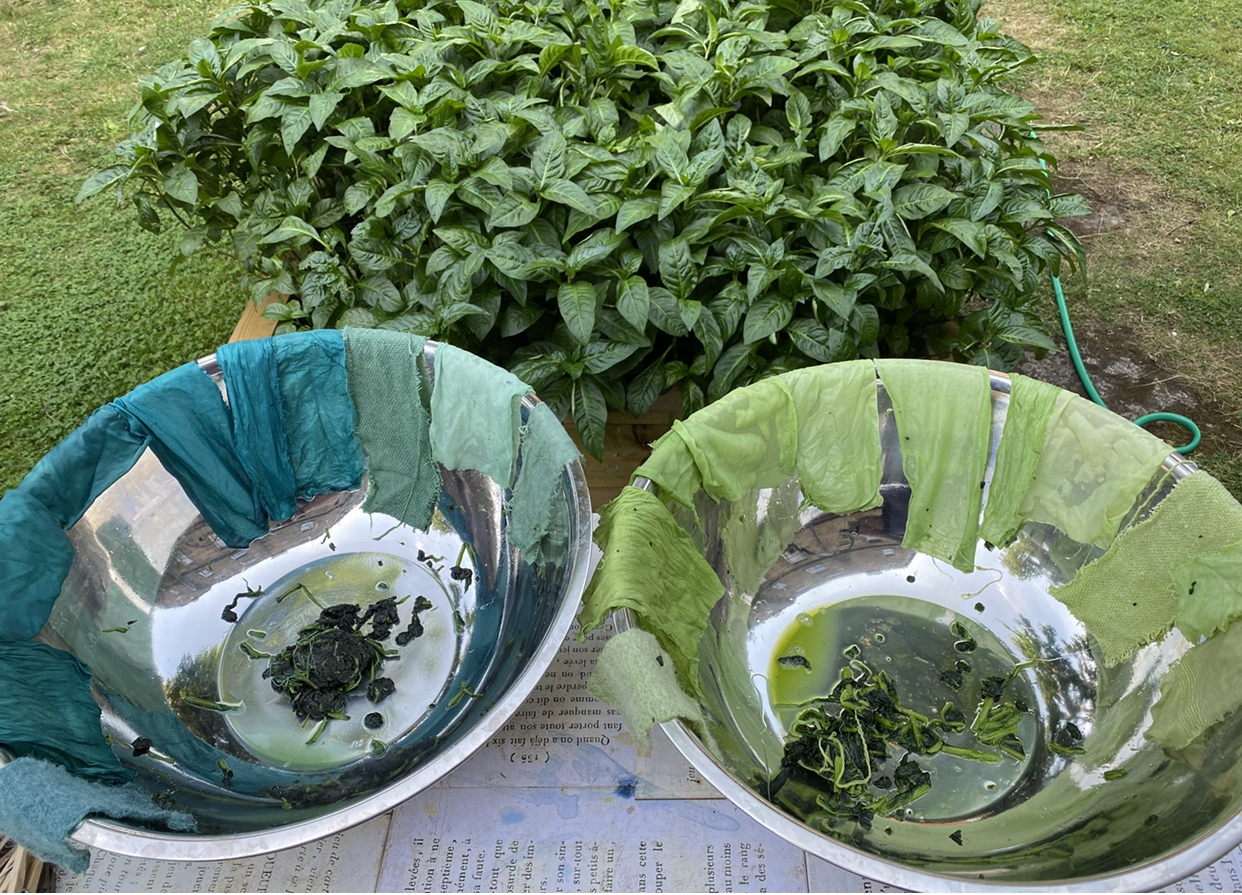
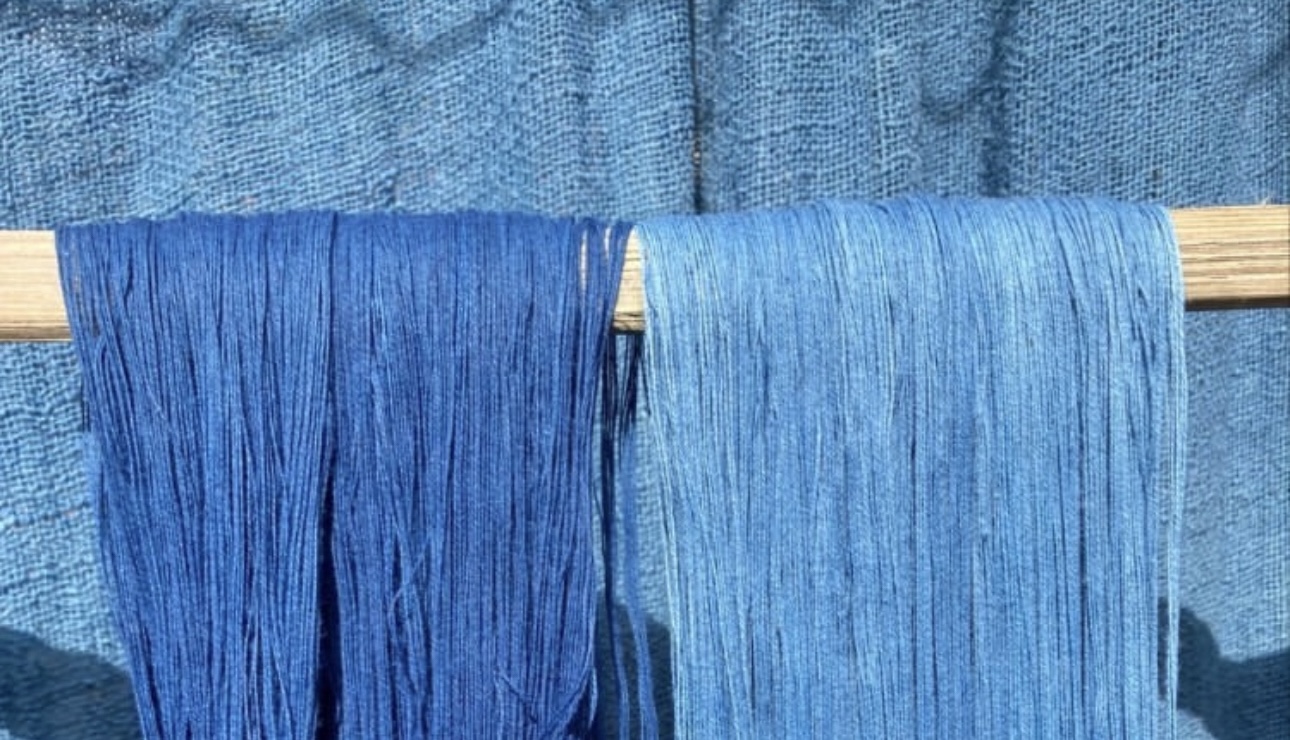
Out of Persicaria you can get a beautiful blue… FRESH LEAVES DYEING AND METHODS WILL BE SHARED WITH PARTICIPANTS . Woad will be a great contrast with a softer blue. Below are images of some pieces dyed with Indigo pigment.
From top to bottom: Woad vat, Indigo fructose vat, Indigo thiox vatTwo pieces of silk hand dyed with Fresh leaves Indigo (persicaria)
I will be running two workshops about Indigo vat building and dyeing as well as using Fresh leaves Indigo in order to create blue on silk. You can book a space below. The sessions will be ran in the Glasgow Botanical Garden – Kibble Palace both time and are suitable for beginners… I will be offering a visit to The Indigo Plot on the same day.
The plants we are growing at the Plot:
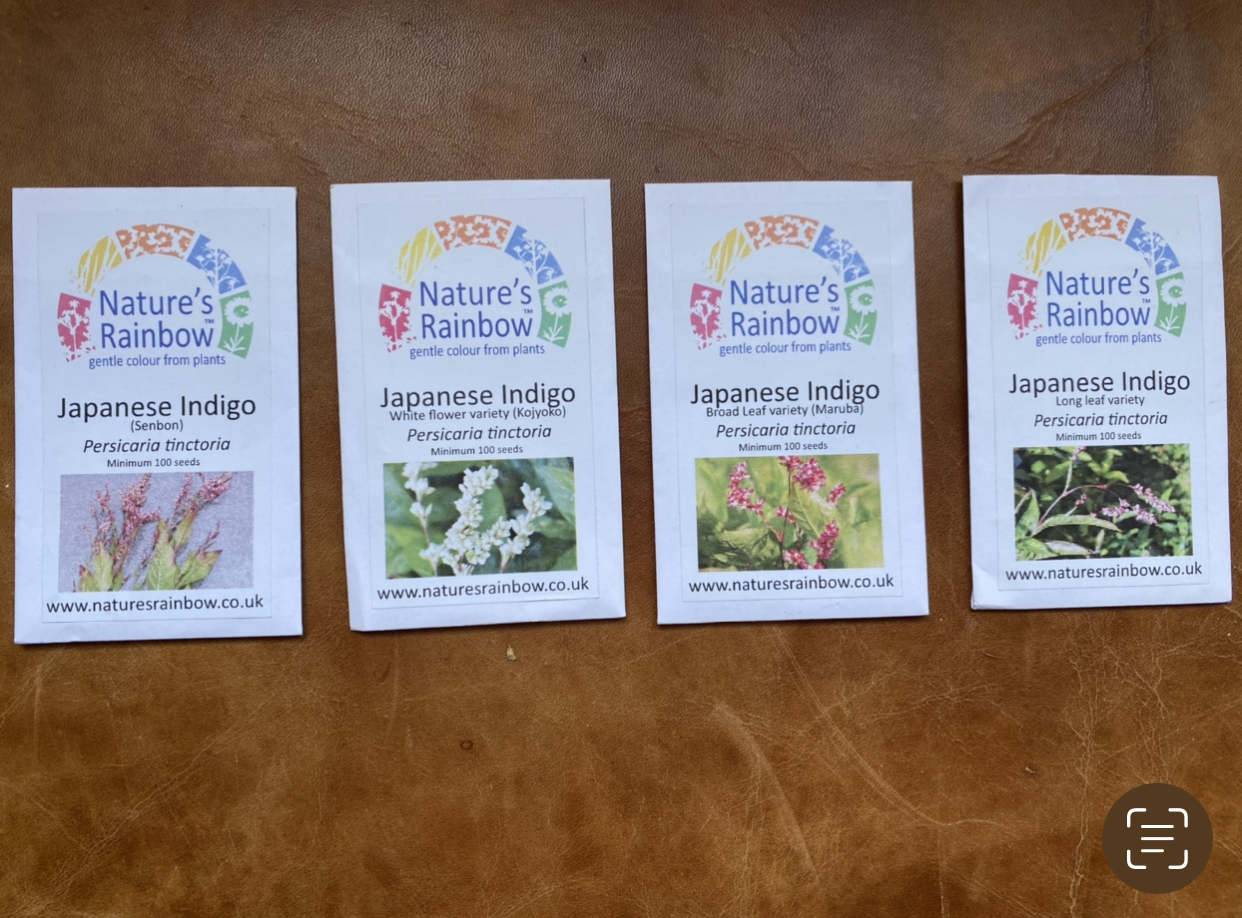
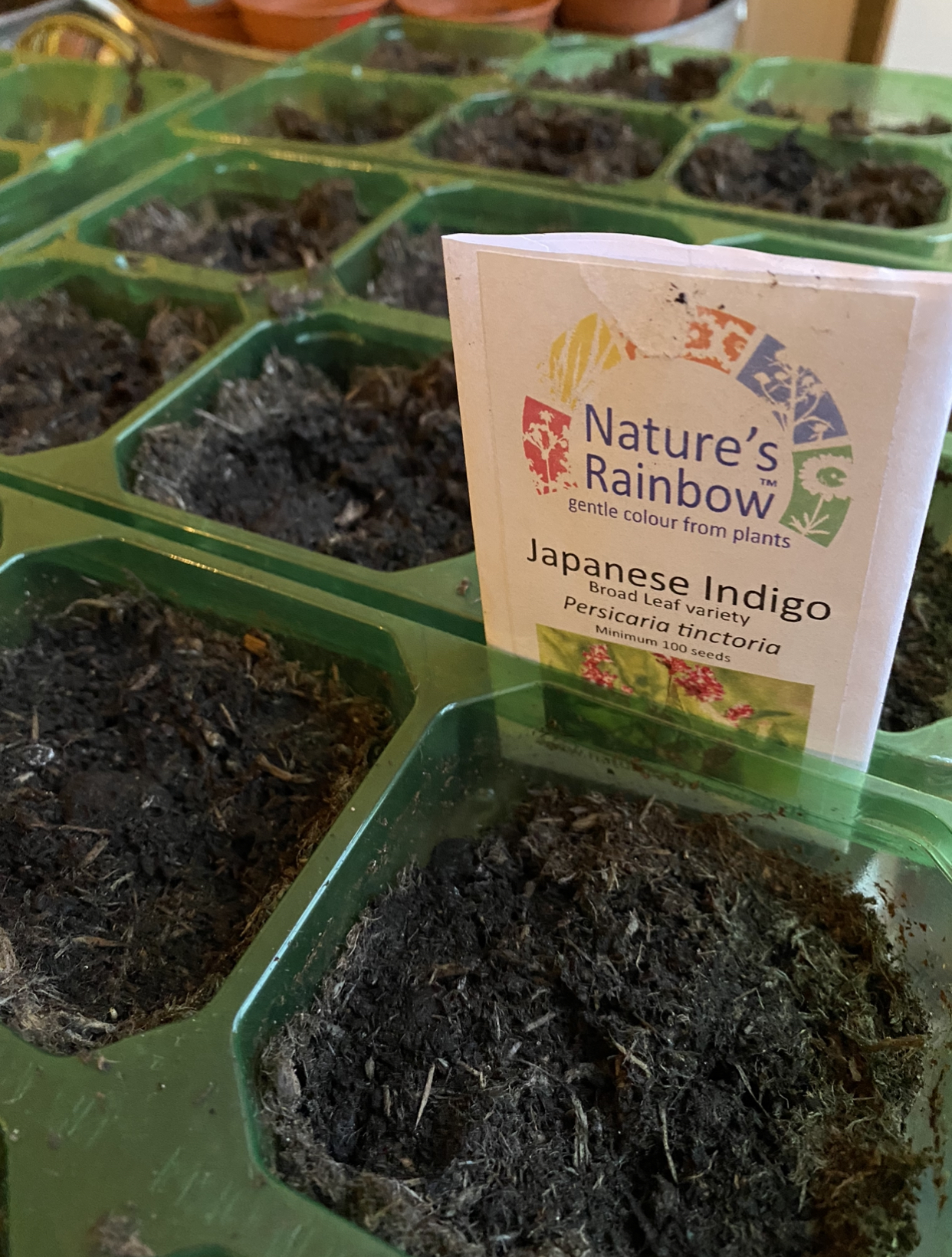
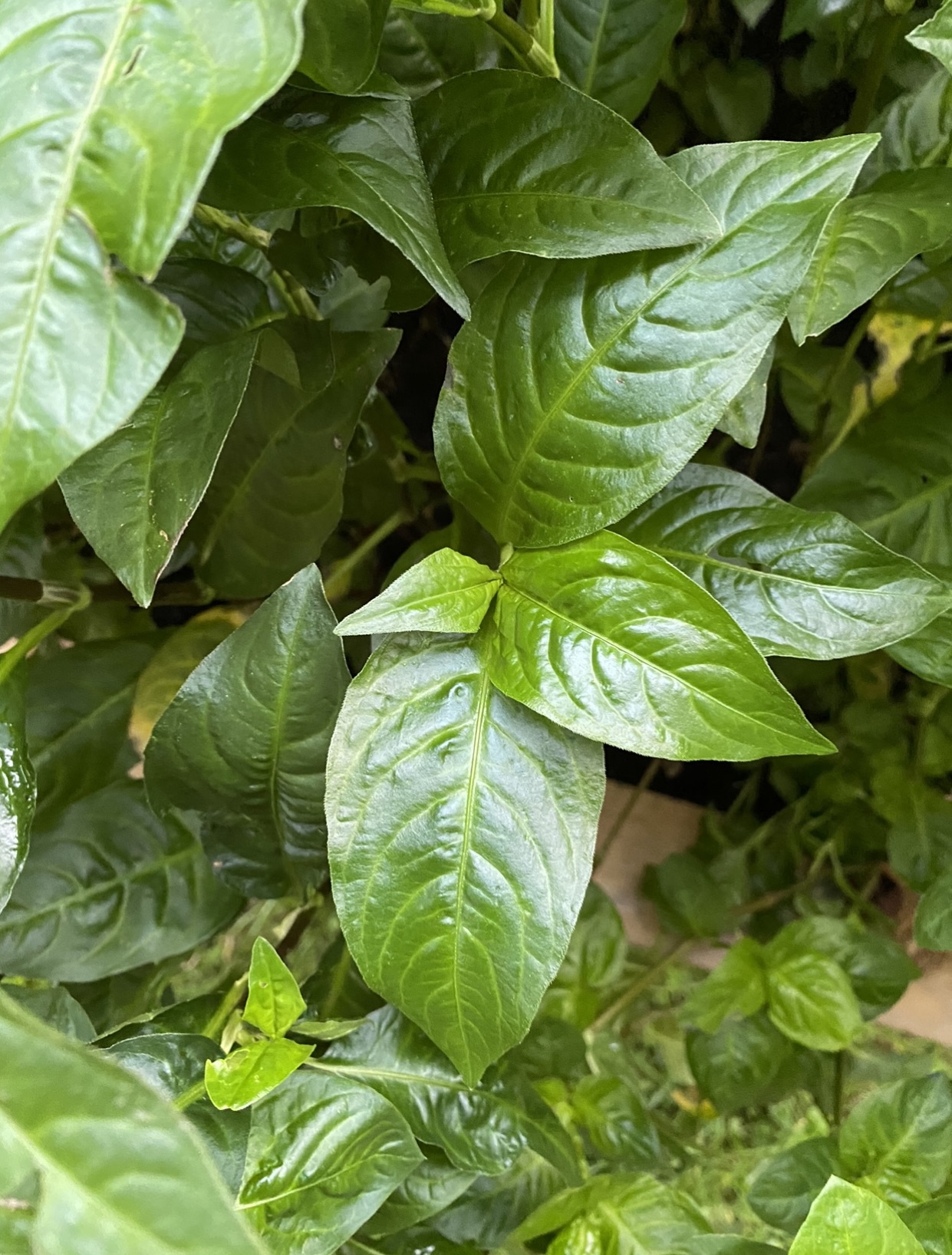
Persecaria Tinctoria (japanese Indigo), a South East Asian plant with large leaves, the pigment can be found in the leaves and it grows well in climate country like Scotland. We grow 4 varieties (Long leaves, Senbon, Maruba or broad leaves, Kojkoko) about 500 plants, we will harvest during the summer 2022 to extract pigment, dye with the fresh leaves techniques.
Isatis Tinctoria (Woad) an ancient plant used in the West to also produce blue pigment. It is a bi-anual but only produces pigment the first year. We will dye wool from fresh leaves vat.
Flax, Linum, a grass that produces linen. We will be growing a good few plants to extract the fiber. I hope we will be able to spin it and weave.
Weld, a traditional yellow dye plant also a Grand teint.
Madder or Rubbia Tinctorium or a traditional root plant (Grand teint) used to create a huge range of red shades
Dye Flowers (coreopsis, dyers camomile…)
And below the colours we will be dyeing with them:
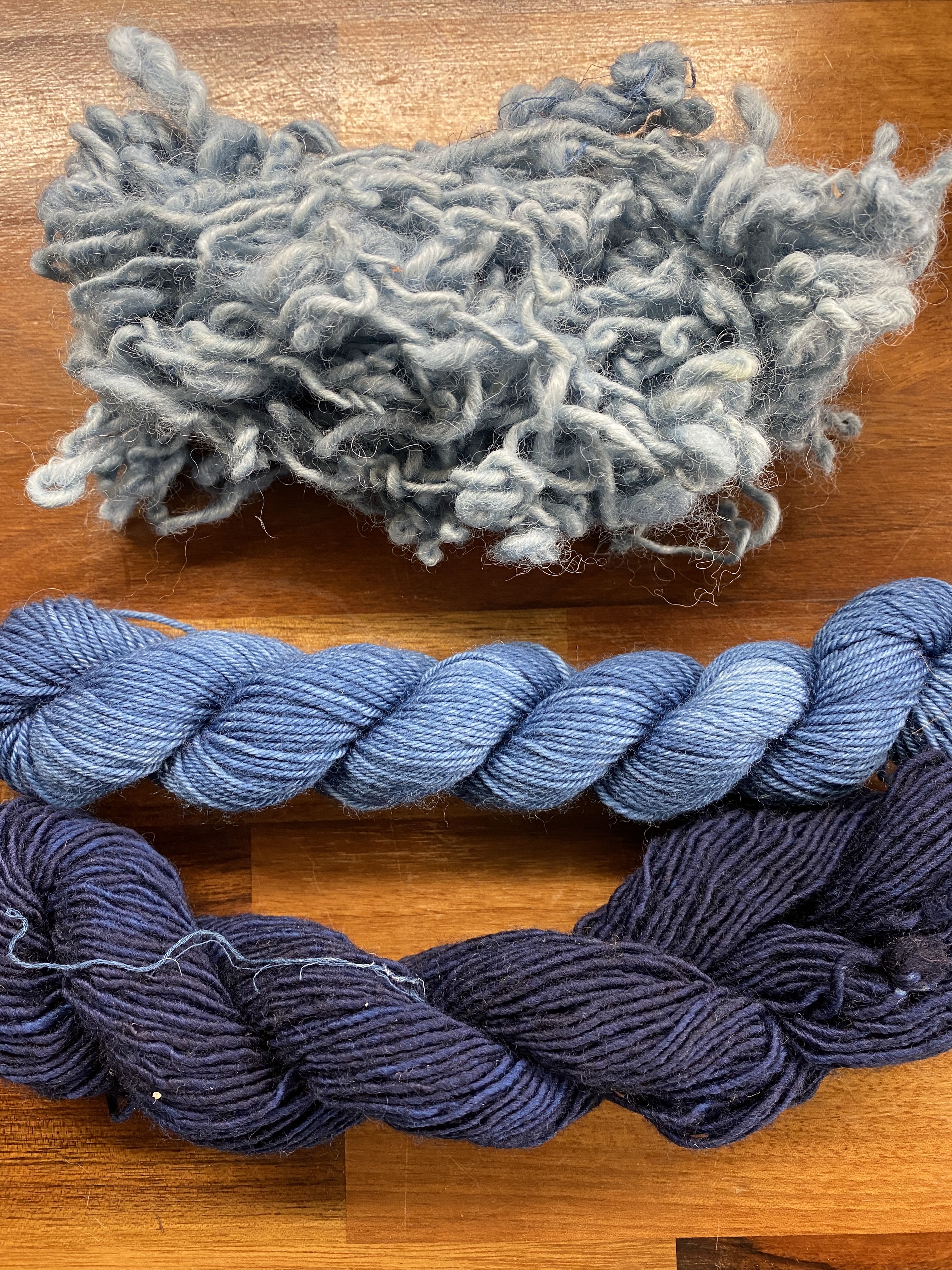
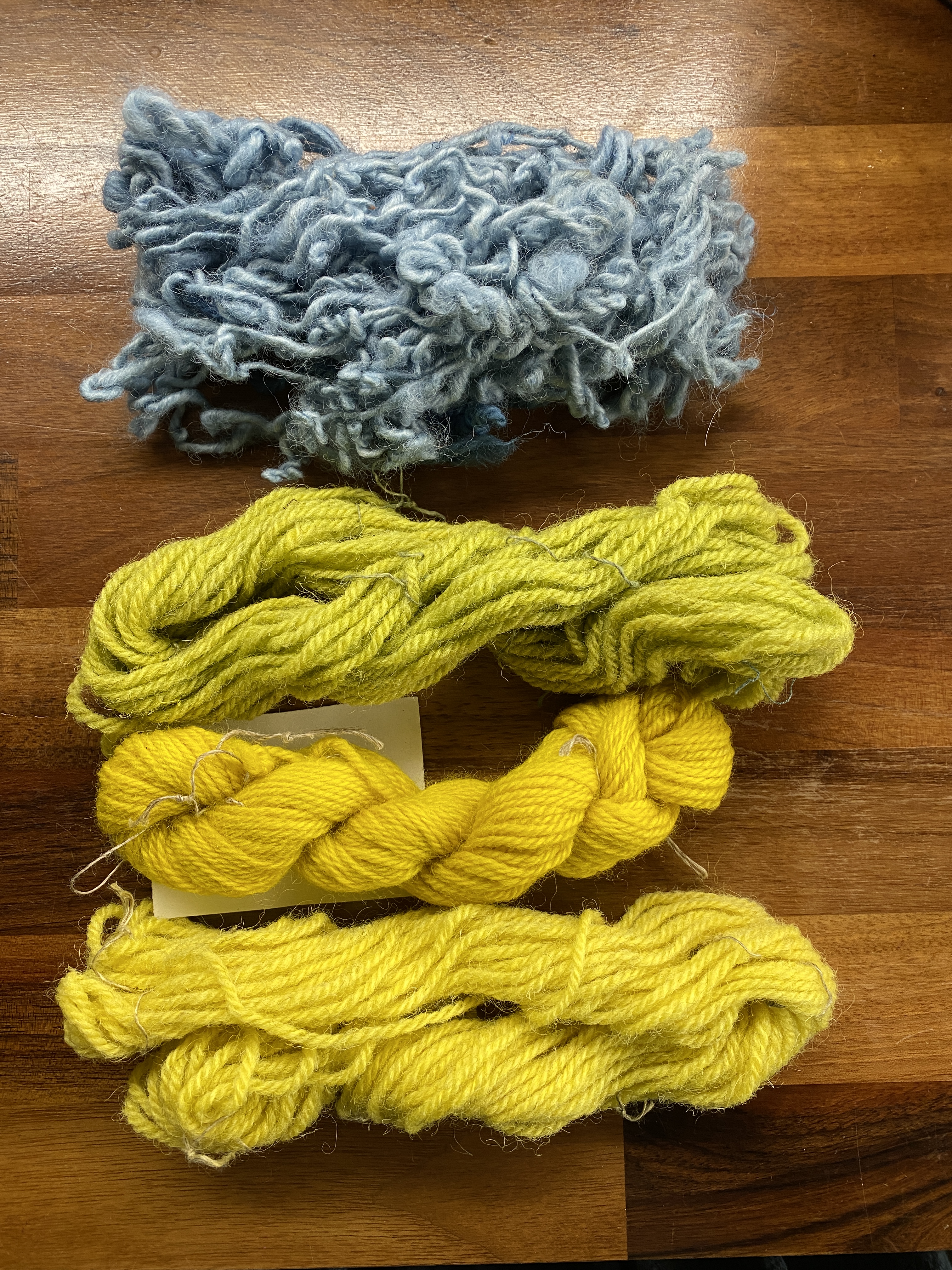
two types of Indigo (bottom) and Woad top on woolRed madder on natural dark wool and white wool selection of red obtained with woolFrom top to bottom, Woad, Weld exaust bath overdyed with Woad, two yellows from the Weld plant
I hope that you will be taking part in the activities of the dye garden…
If you would like to register as a volunteer to water or tend the garden please be in touch bettysbeautifullife@gmail.com















 THE LANSDOWNE HOUSE