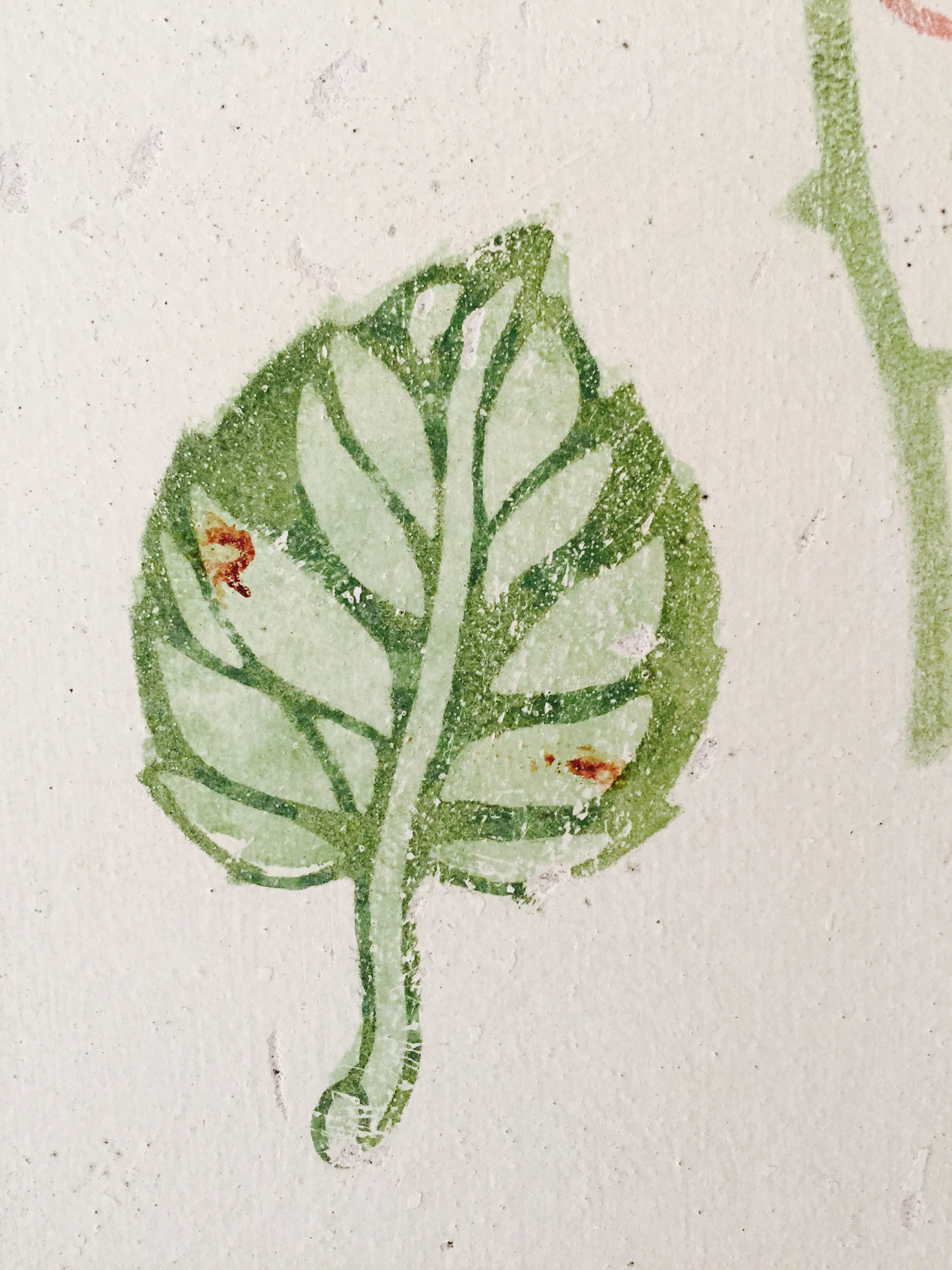
The house Mackintosh dreamed about … Stencilling A House for an Art Lover

Every artist, craftsman, maker likes being part of a dream, the best part of it usually is to team up with the dreamer to discuss, elaborate, plan and realise the dream !  But in the case of The House for an Art Lover the dreamer long passed away the challenge was to be so interesting that I had to take part. How wonderful to interpret the original dream of an artist such as Charles Rennie Mackintosh and … with a team of makers and planners make it alive for all to discover, admire, dream about too.
That was the challenge of The House for an Art Lover in the 1990’s !

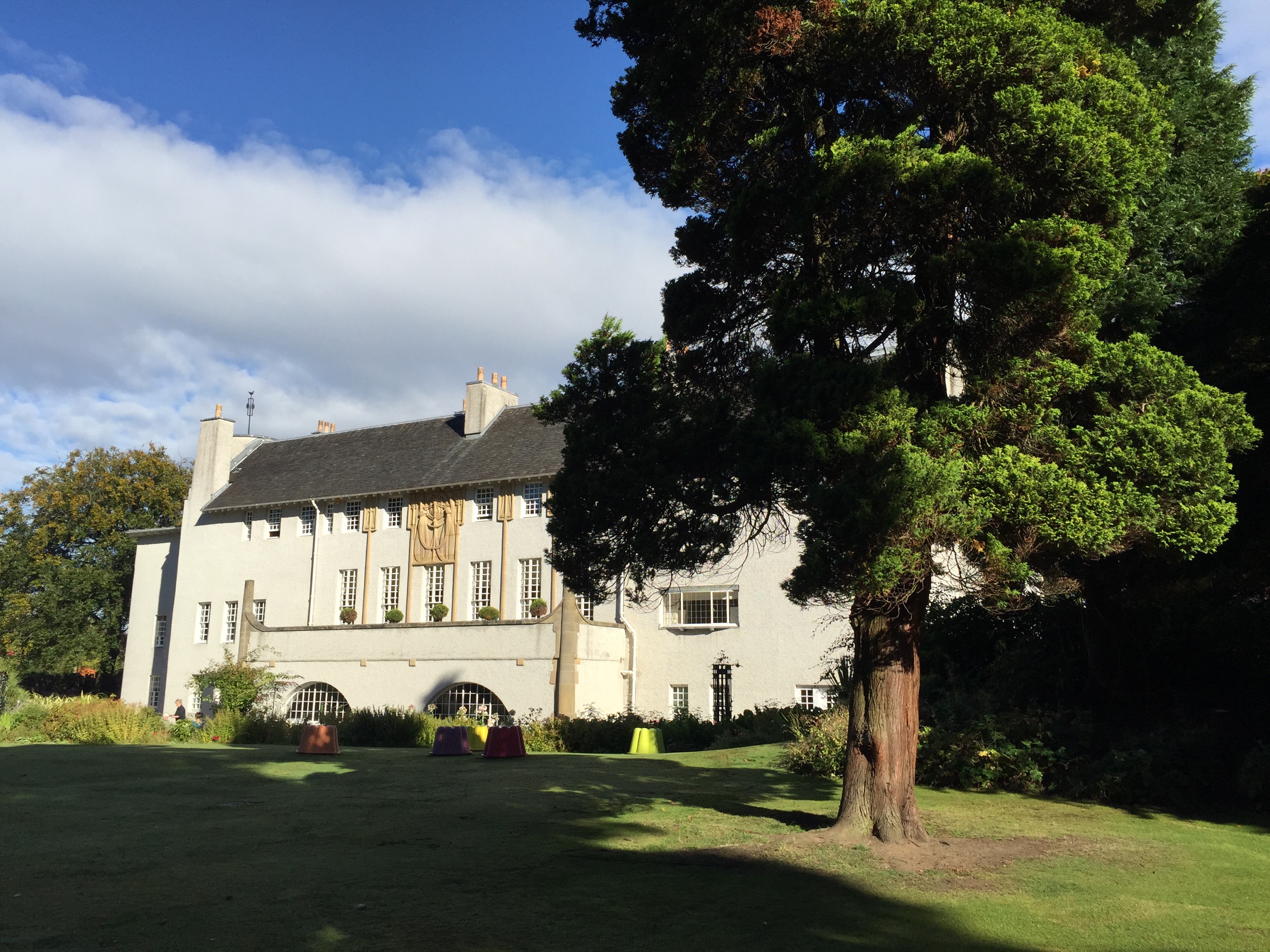
Designed by Charles Rennie Mackintosh and his wife Margaret as a german magazine competition in 1901 this beautiful project was never completed at the time although it was praised as being so very unusual for the time as stated a famous critic : Hermann Muthesius, ‘…it exhibits an absolutely original character, unlike anything else known’

You need a magical vision to take on such a dream and Graham Roxburgh a local consulting engineer had just that when running one morning in Bellahouston park and the rest is history. He raised awareness and the funds to start the work, could not complete and the City of Glasgow and the Glasgow School of Arts took over. The whole point is that almost 100 years after being designed by a genius, a great team of people from Glasgow and further afield joined forces to built a stunning building in the middle of a park for all to admire and care for.

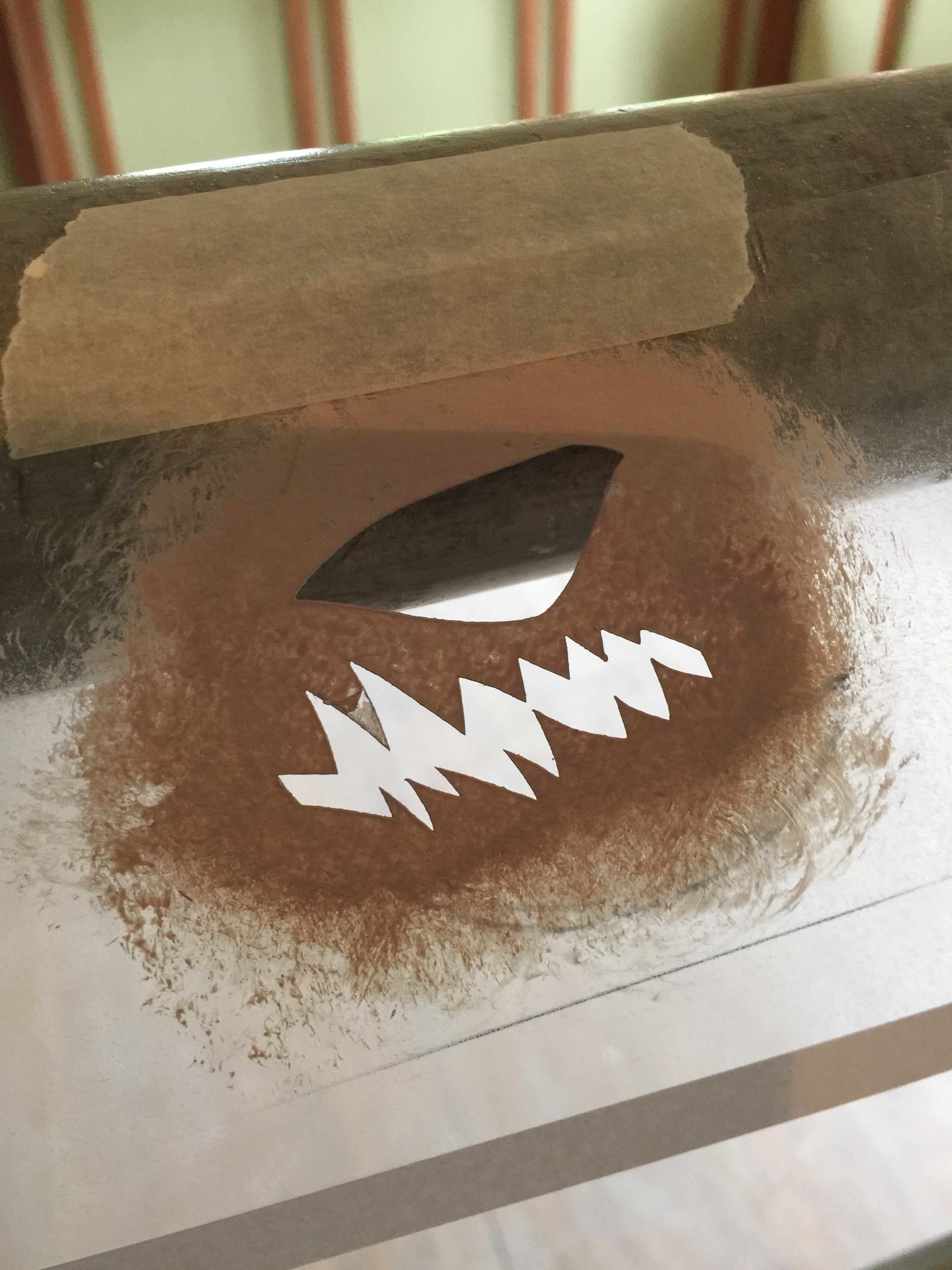
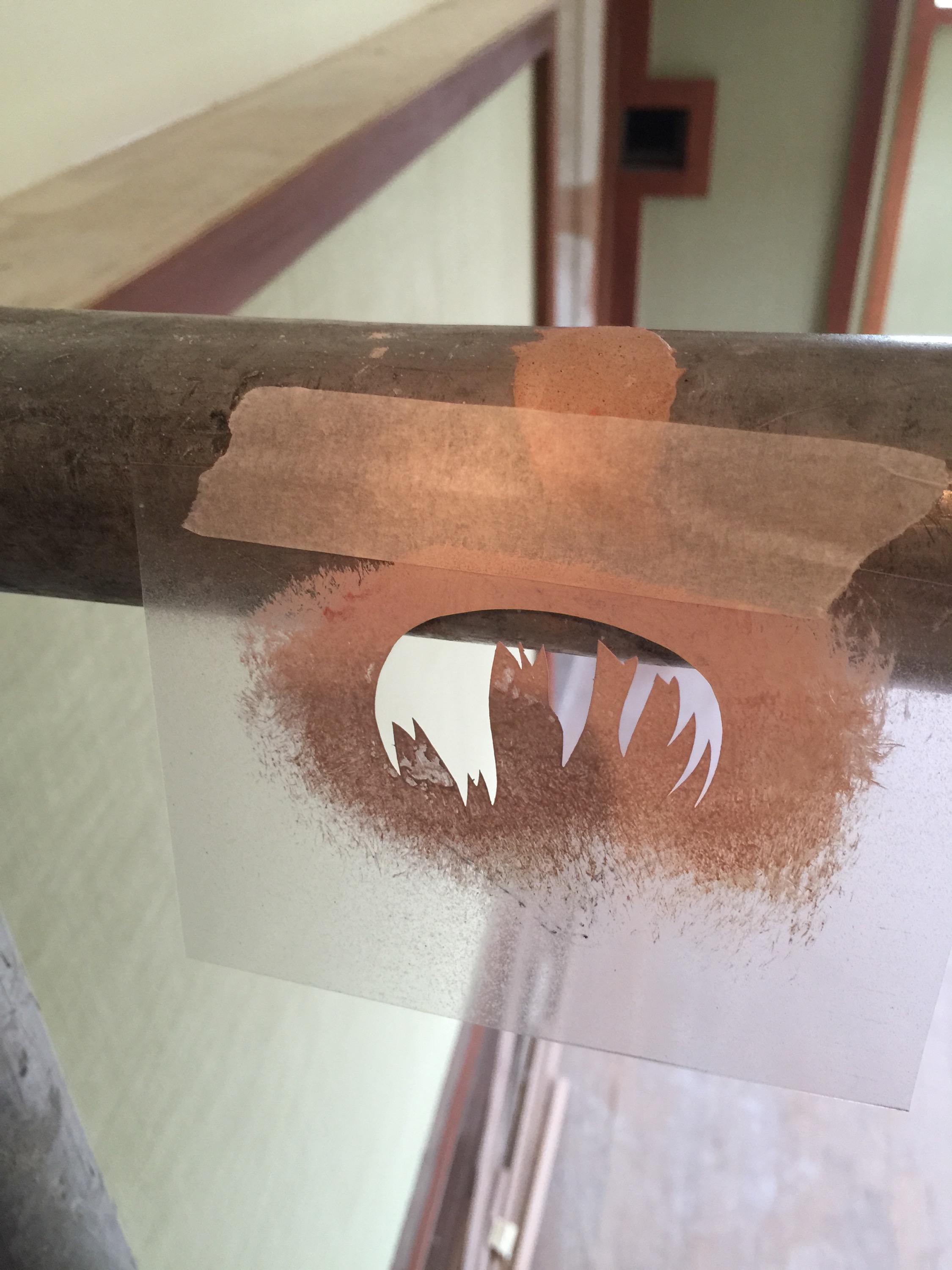
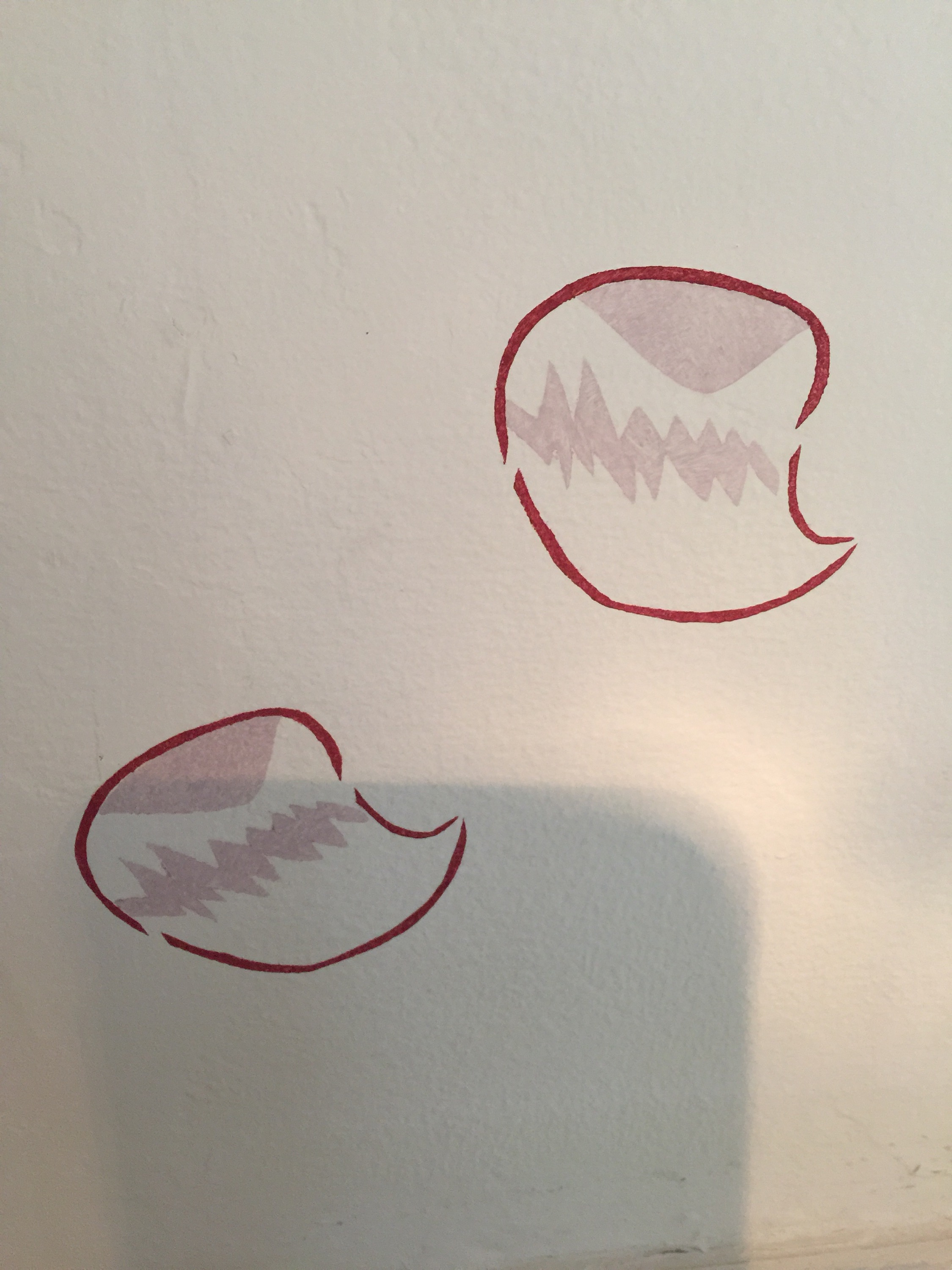
The best part of this adventure is that I was commissioned to team up with a group of makers to realise the interior. My task was to come up with the stencilled schemes for the music room, the dining room, the large panelled hall and the gallery upstairs. With very basic sketches that was a very good challenge.

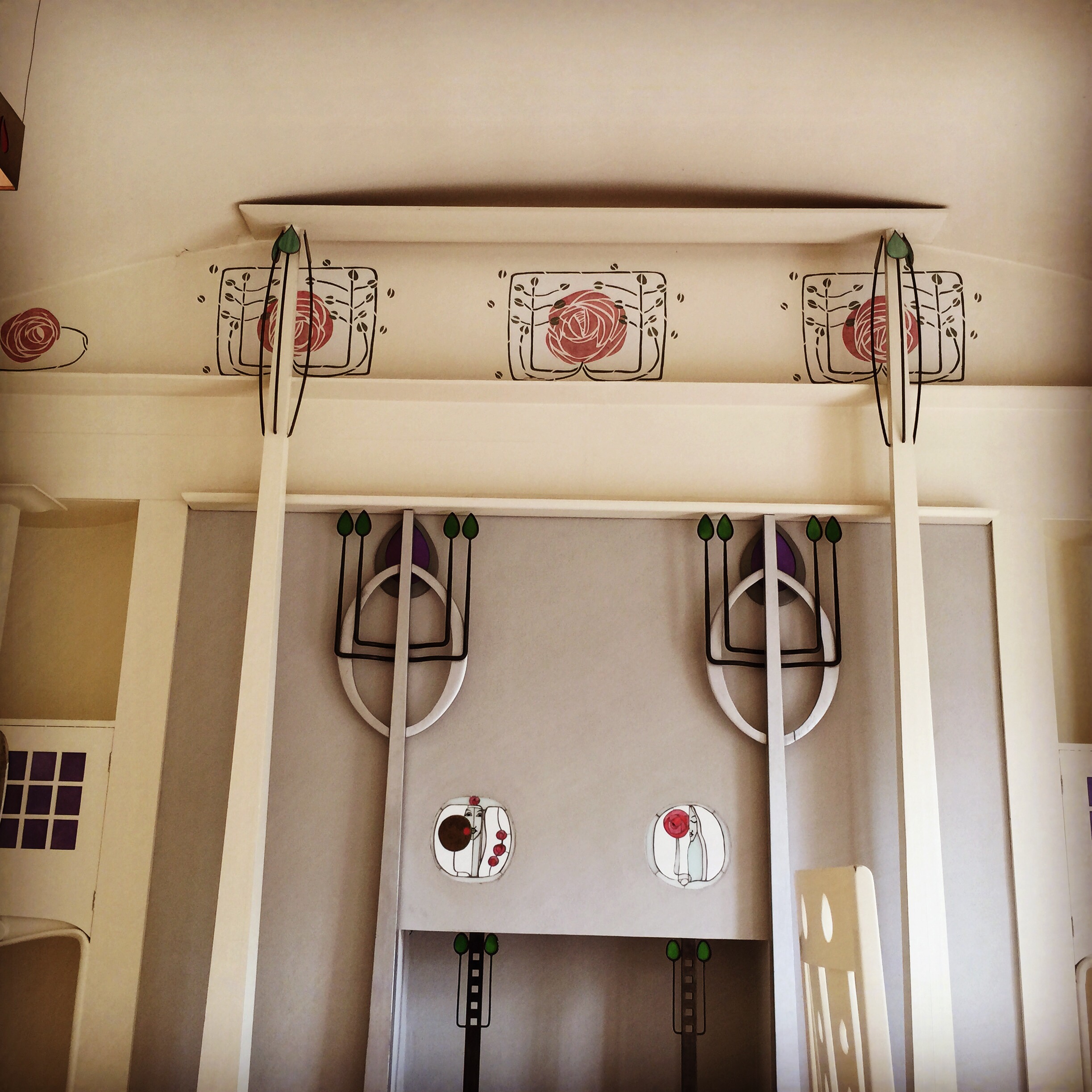

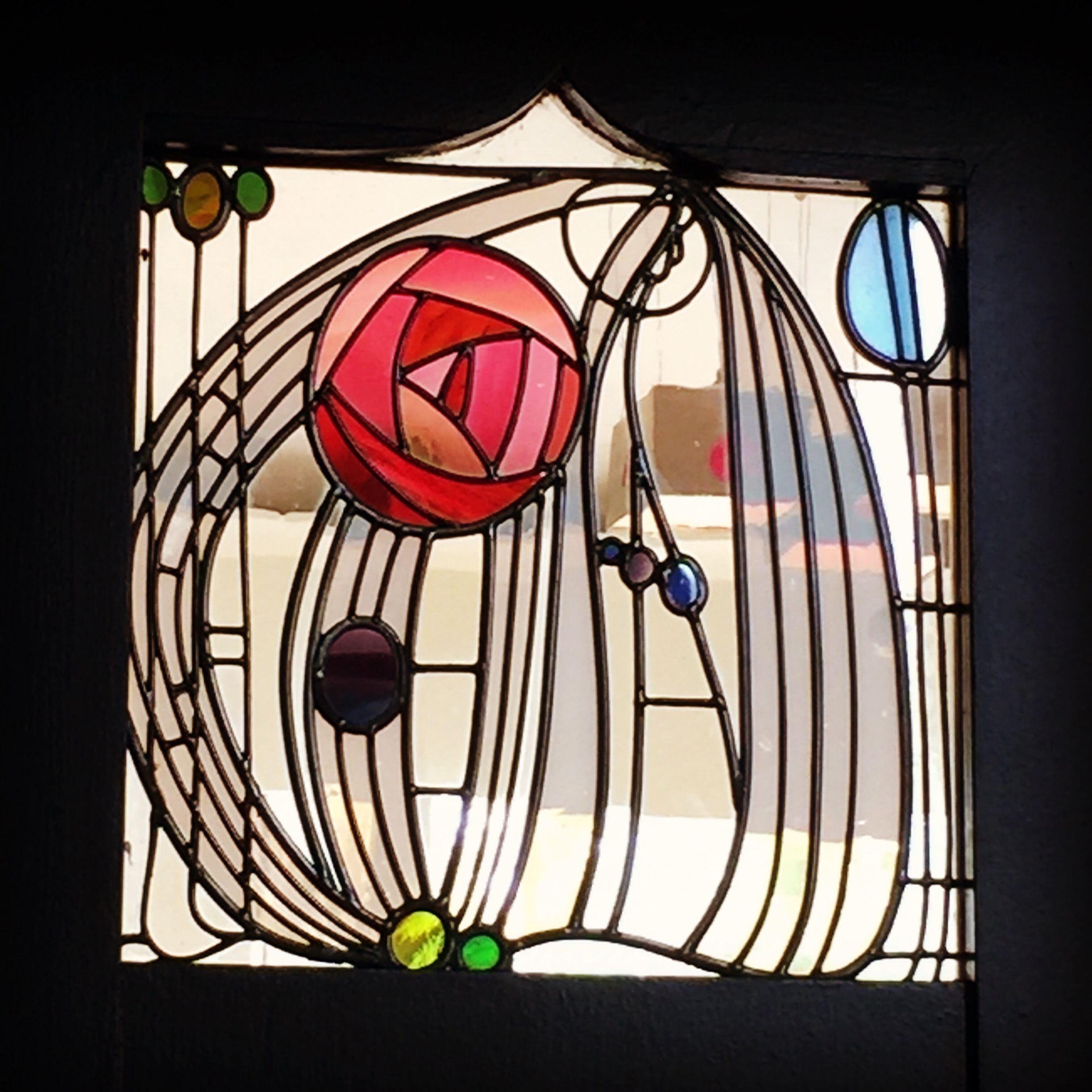
  
Part of this challenge was to decide on the designs used. So many possibilities, do you use existing Mackintosh designs and adapt them? to come up with some original designs in the ‘Mackintosh style’ ? Mackintosh and Margaret were always so unified in their interior schemes. It was very important to liaise very closely with the other makers to insure the colour schemes were perfectly coordinated, as if they had been chosen by the original designer and his wife.

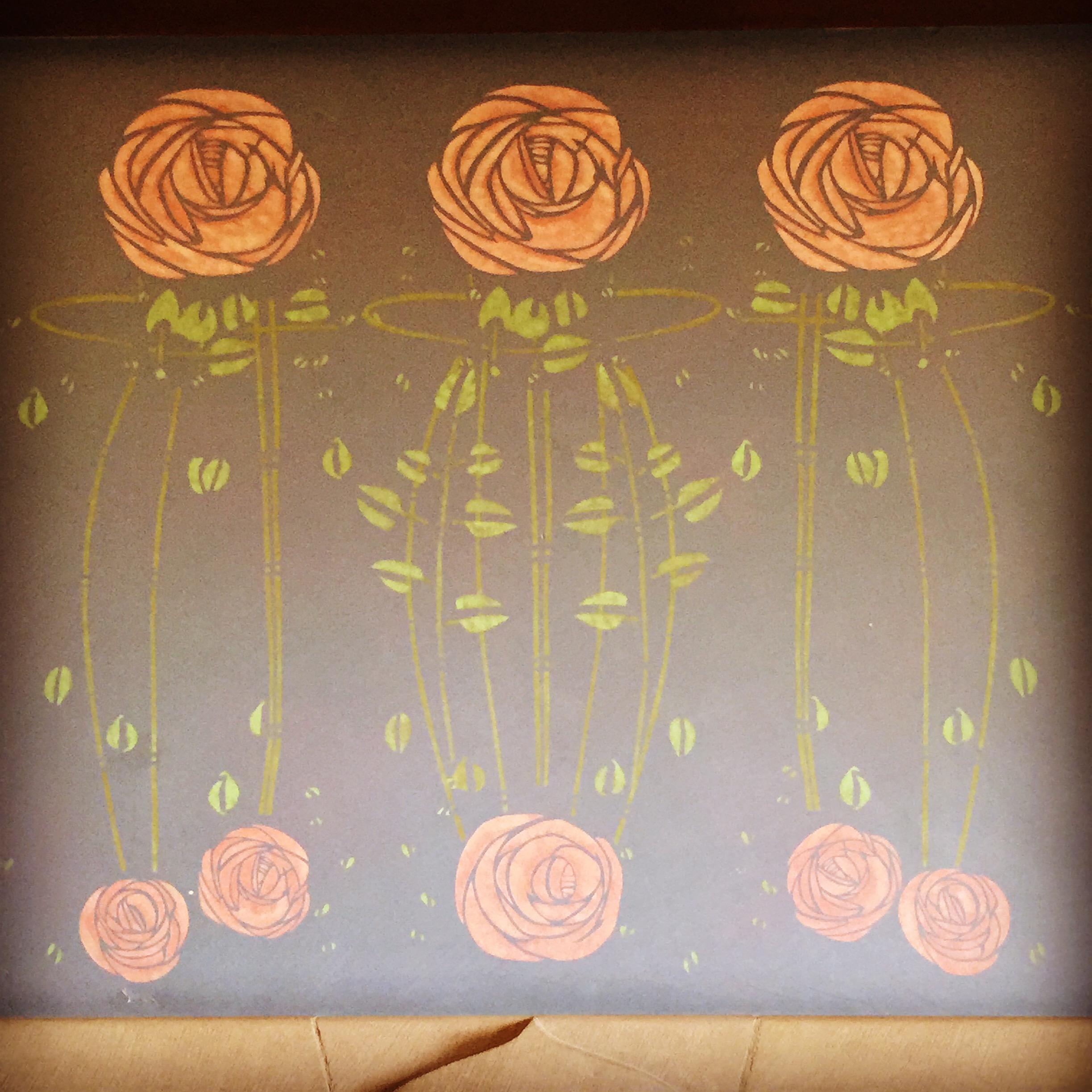
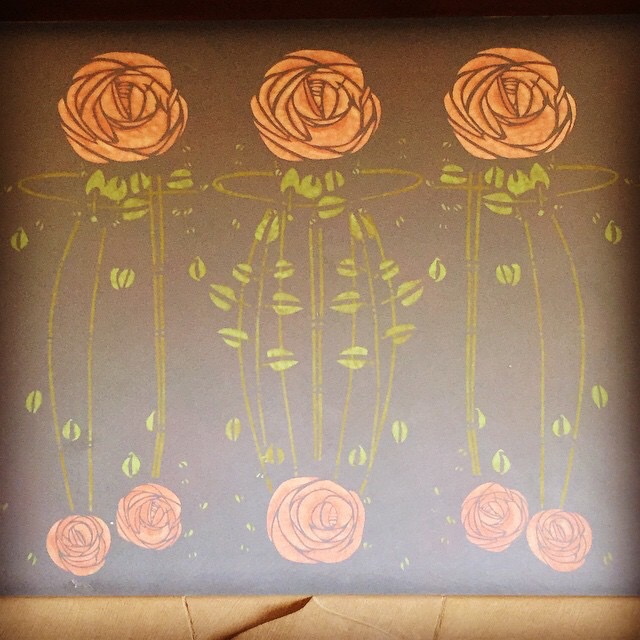
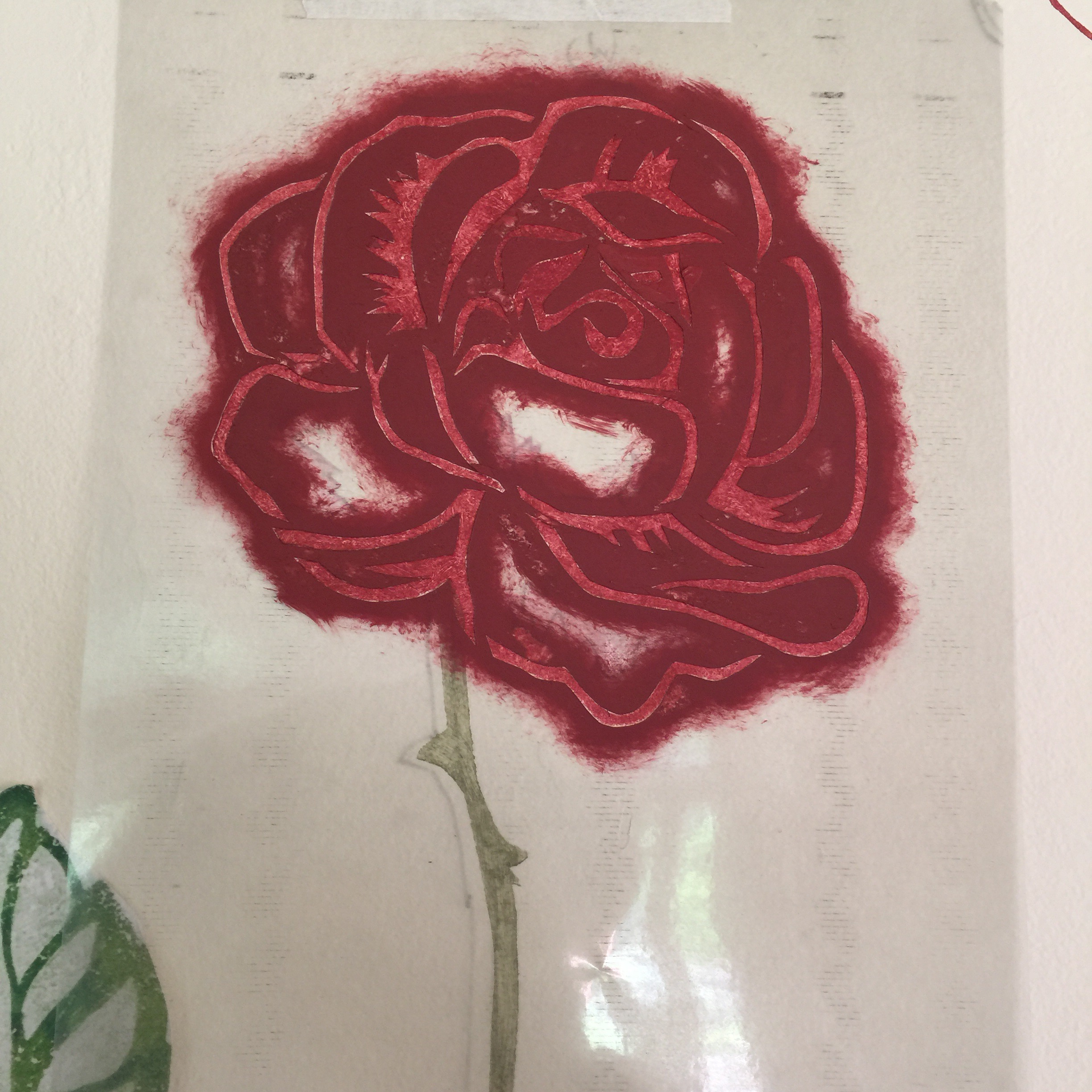
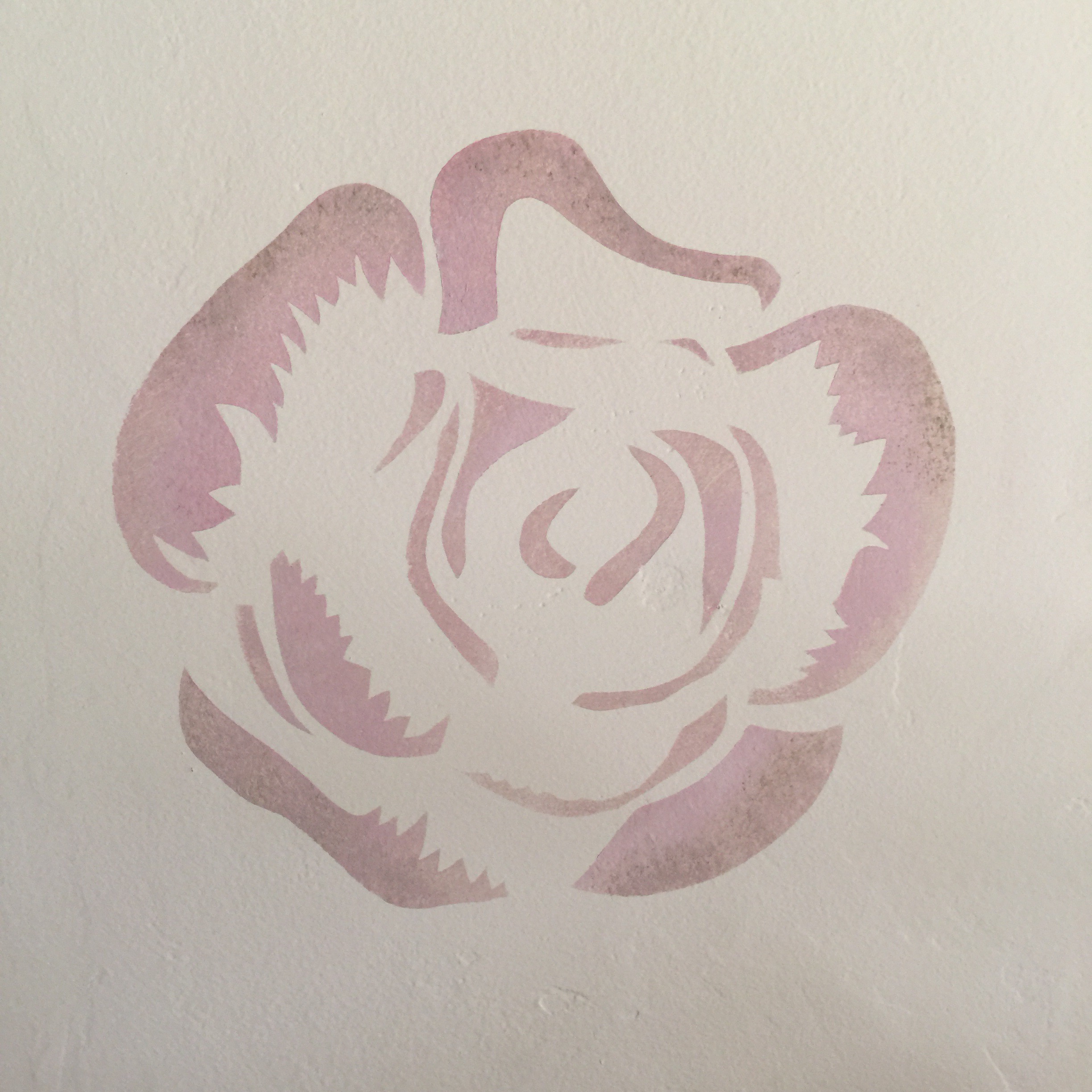
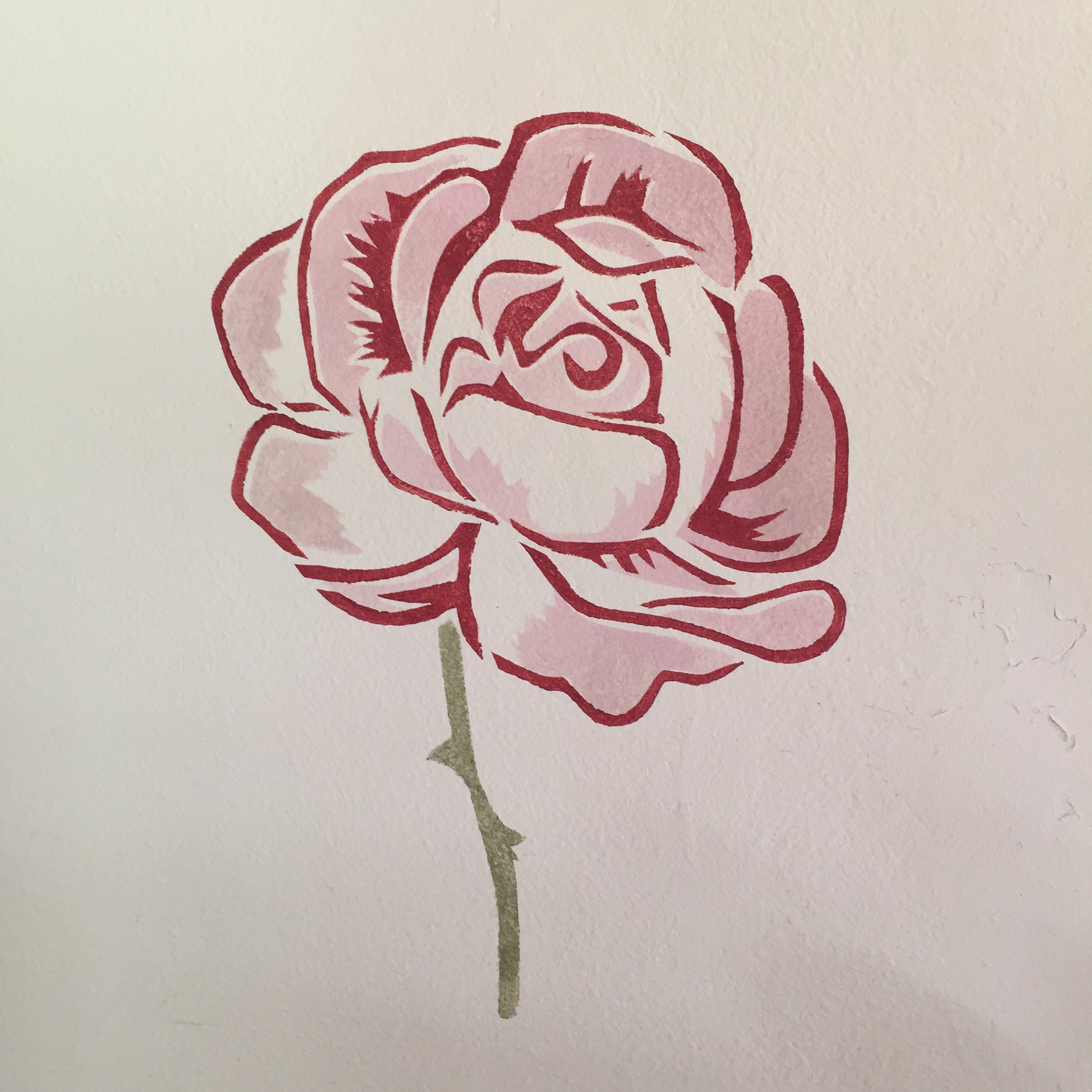
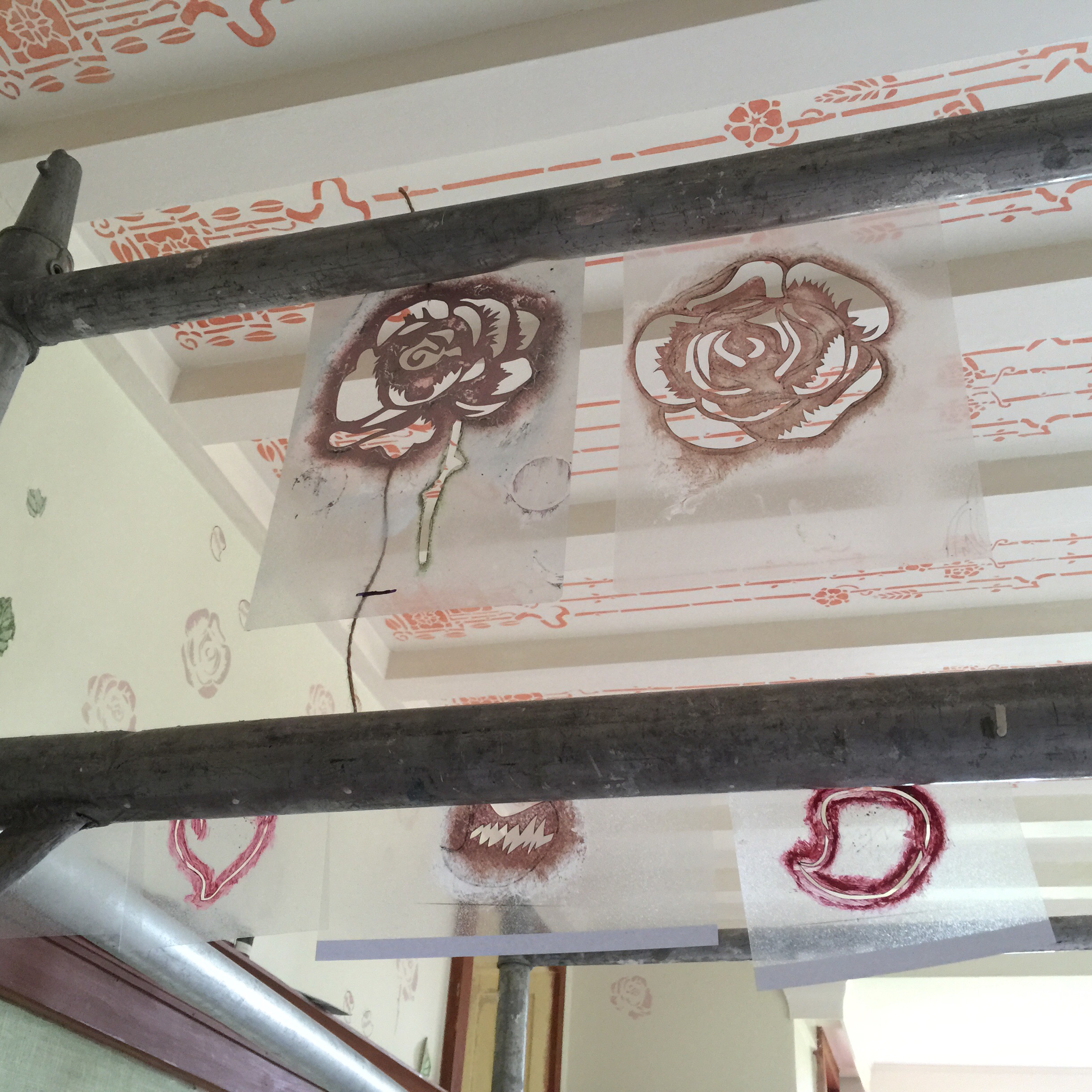
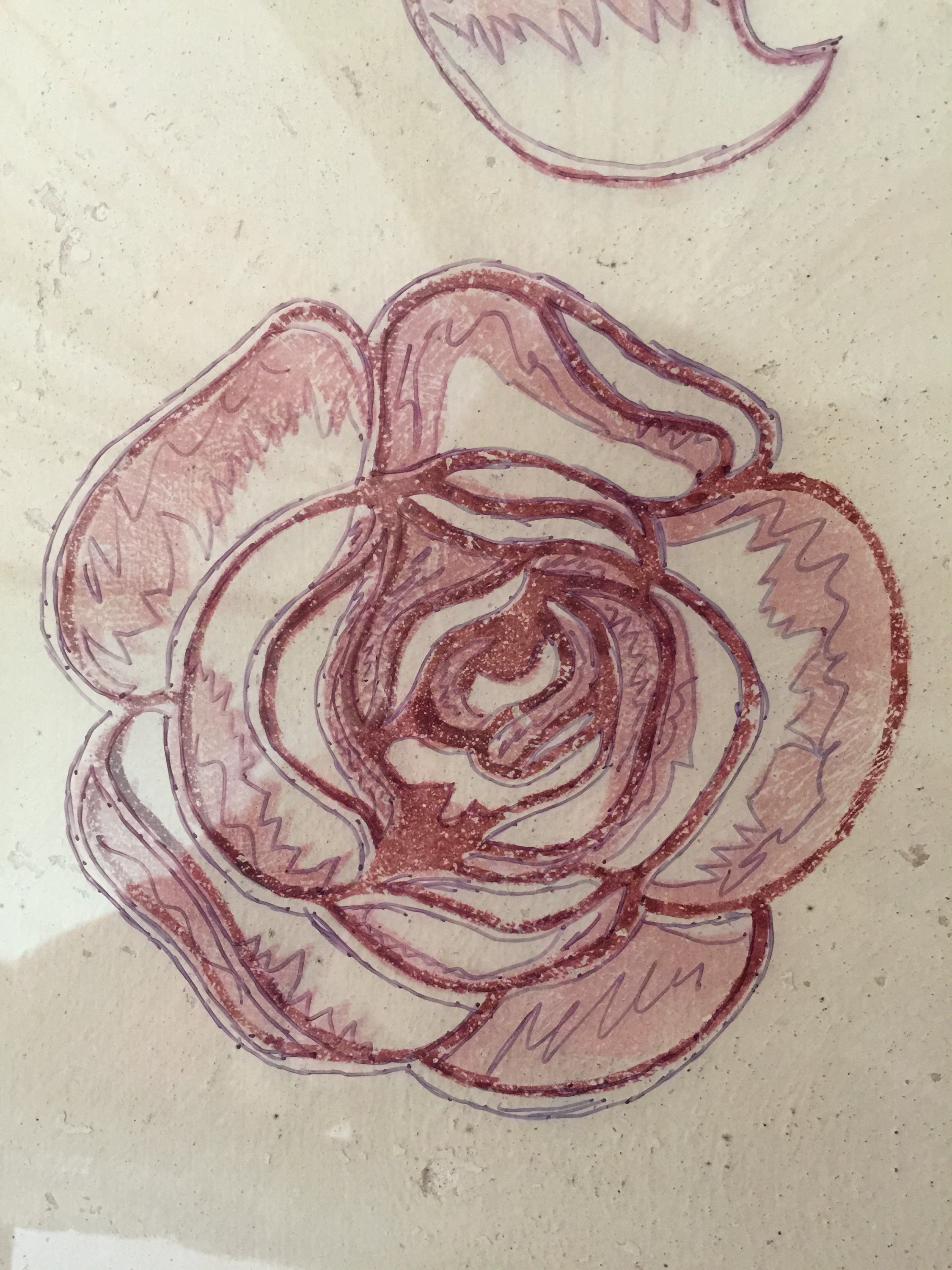
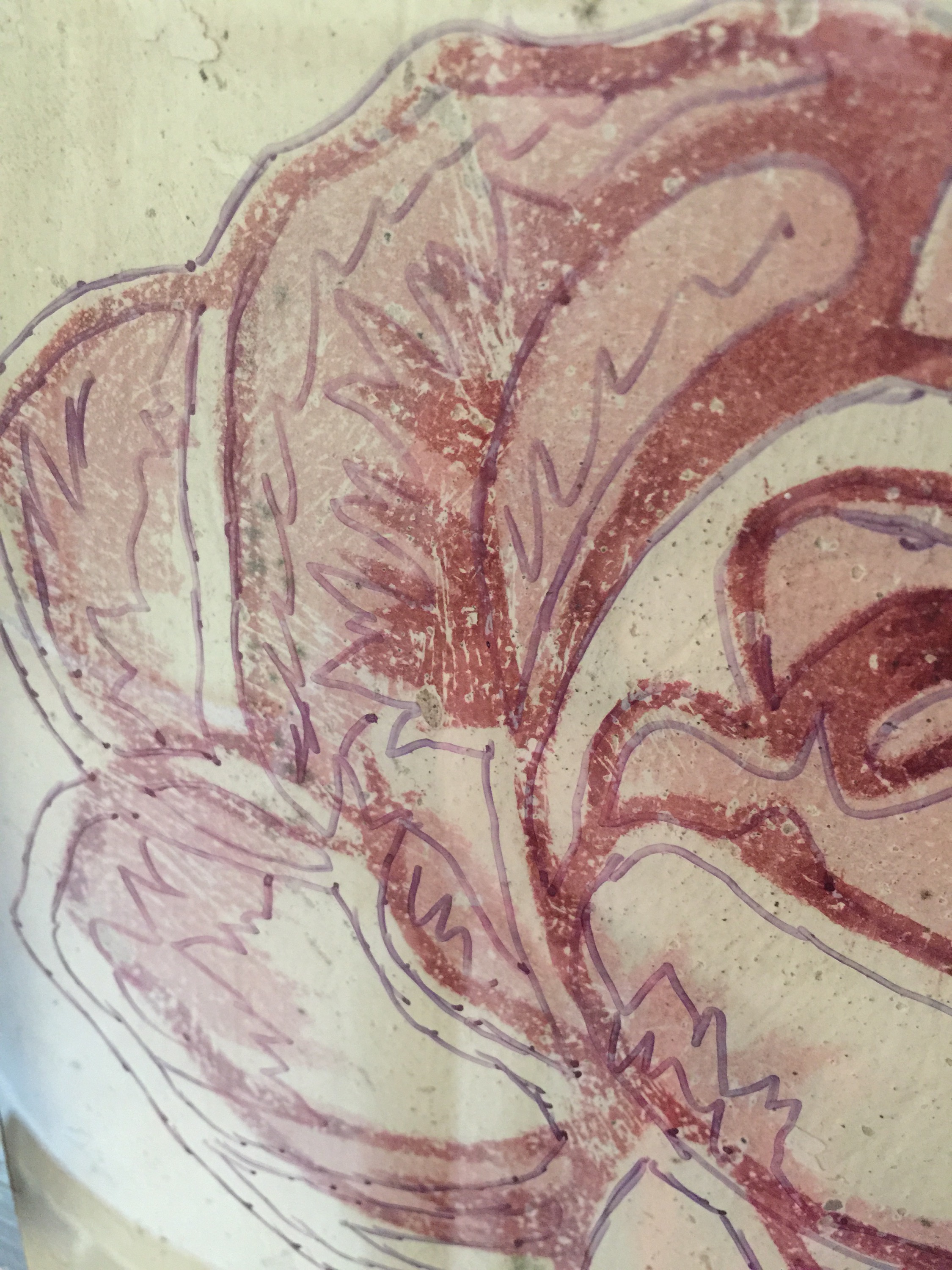
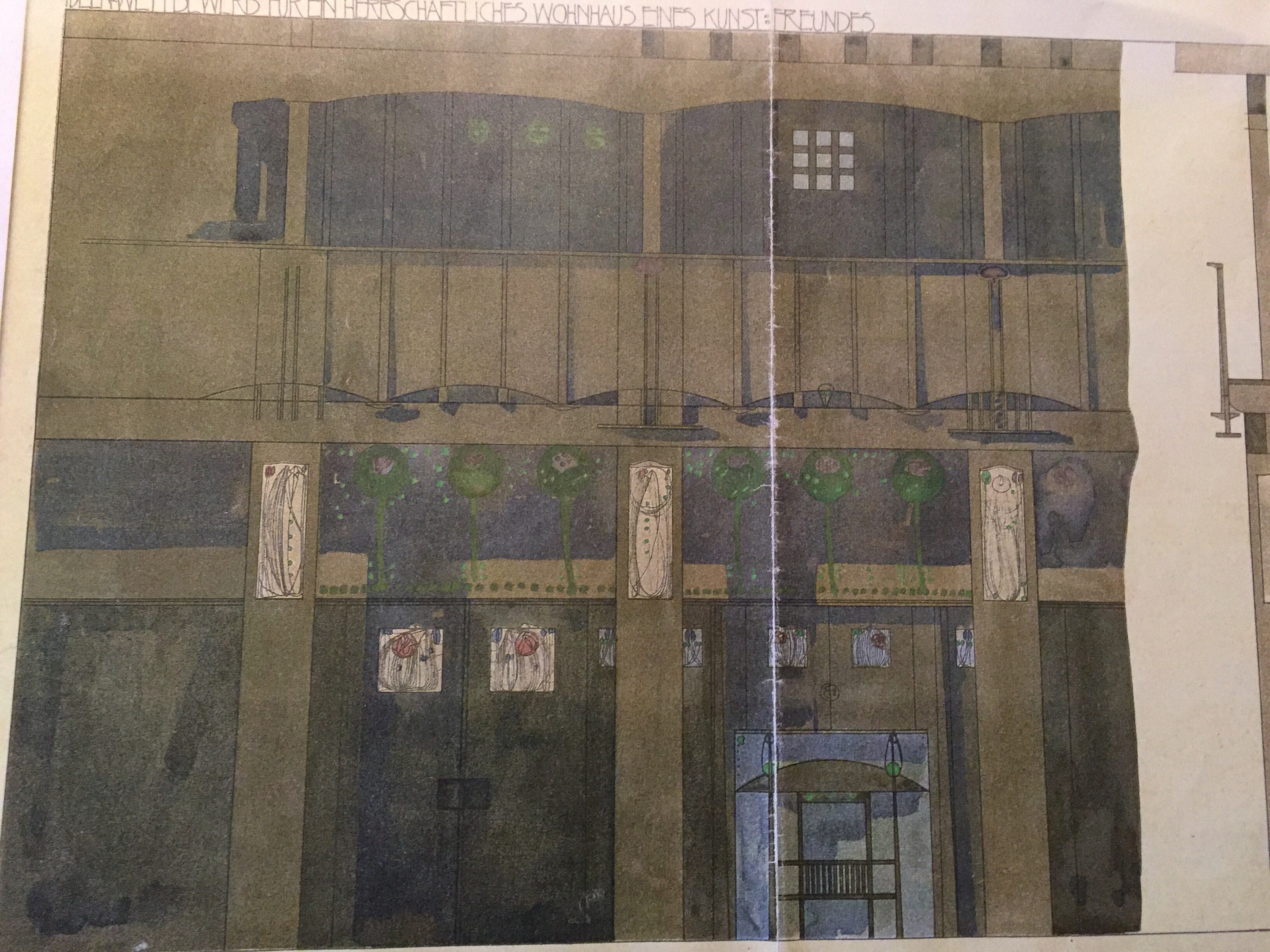
For the dining room, Dai and Jenny Vaugh were to work on the gesso panels above the picture rail. A beautiful story of ‘The Rose’ in a delightful blue background which was going to become the background for the fire place stencilling of the rose motif. Together we teamed up to come up with the most beautiful purple/blue shade. The result was stunning and is still today enjoyed by many as this is the room most couples getting married in the House chose for their ceremony. I have seen to my great pleasure many bride and groom photographs in front of my stencilled fire place. What a great reward for me to see my work being admired again and again ! (Even if my work was only to illustrate Mackintosh’s dream…).

If you want to see some truly stunning wedding photographs taken in The House for an Art Lover check on the blog of Ashley Coombes who regularly works in the house. Ashley Coombes photography
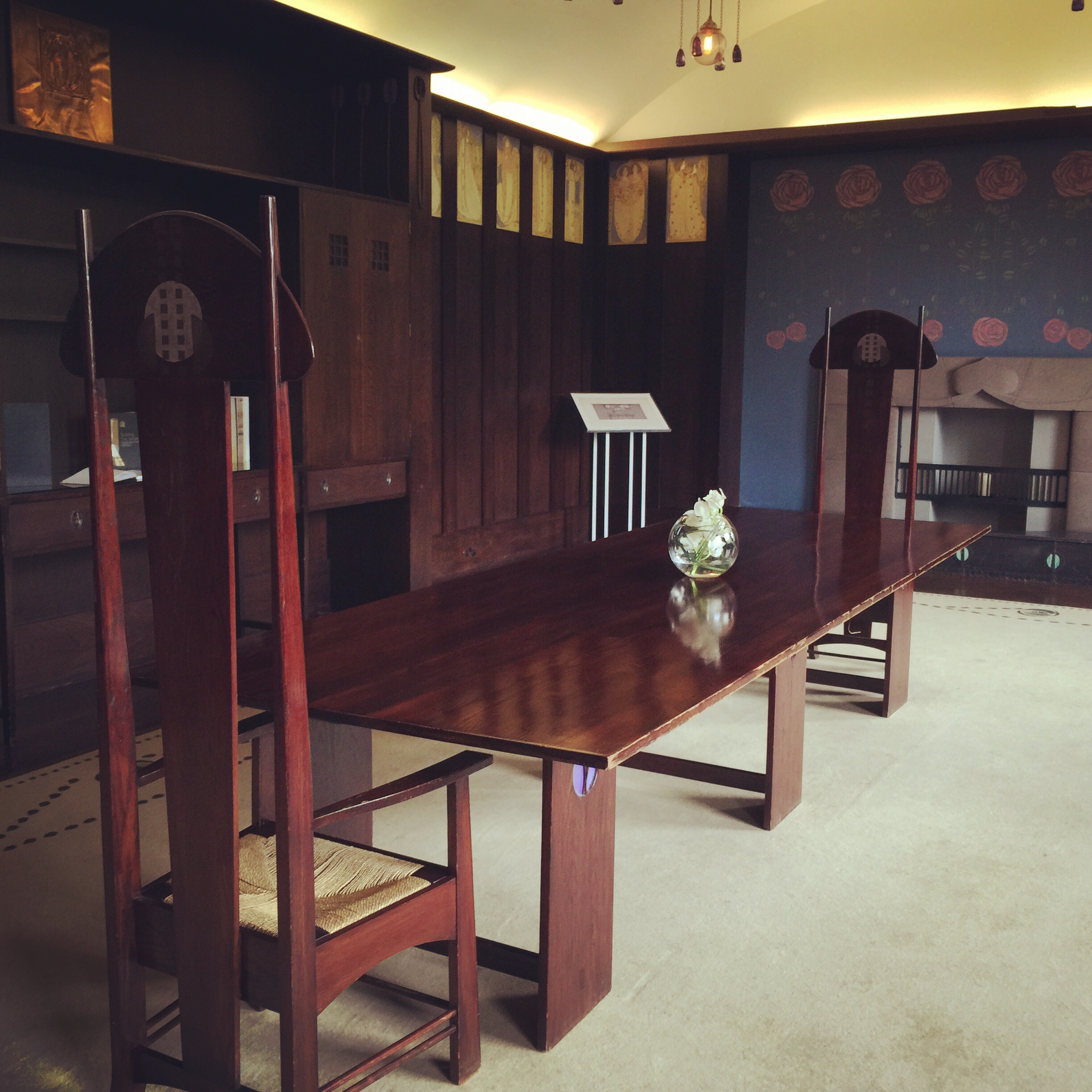

  
For the design of this fire place frieze, much research took place and I looked at many rose friezes, but one caught my eye and it was that of The Hill House master bedroom. Very similar in shape to that of Mackintosh’s drawing for The House for an Art Lover. It was decided the dining room would be very much inspired by the former. The final plan was approved by The School of Arts and up it went. I can not tell you how scary it was to allow anyone to look at it at first. Would anyone approve of this work or would they not think it was up to Mackintosh’s dream?

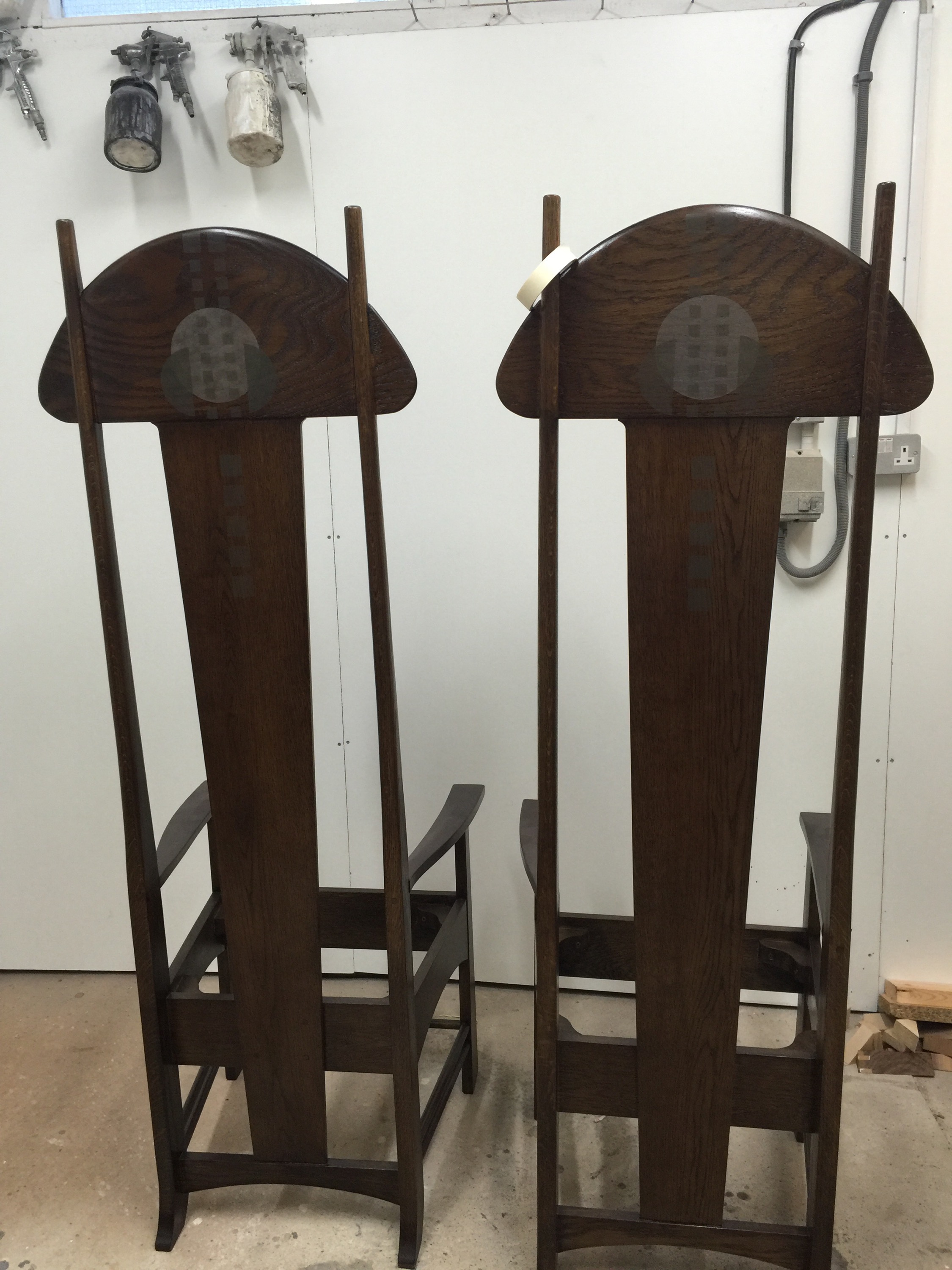
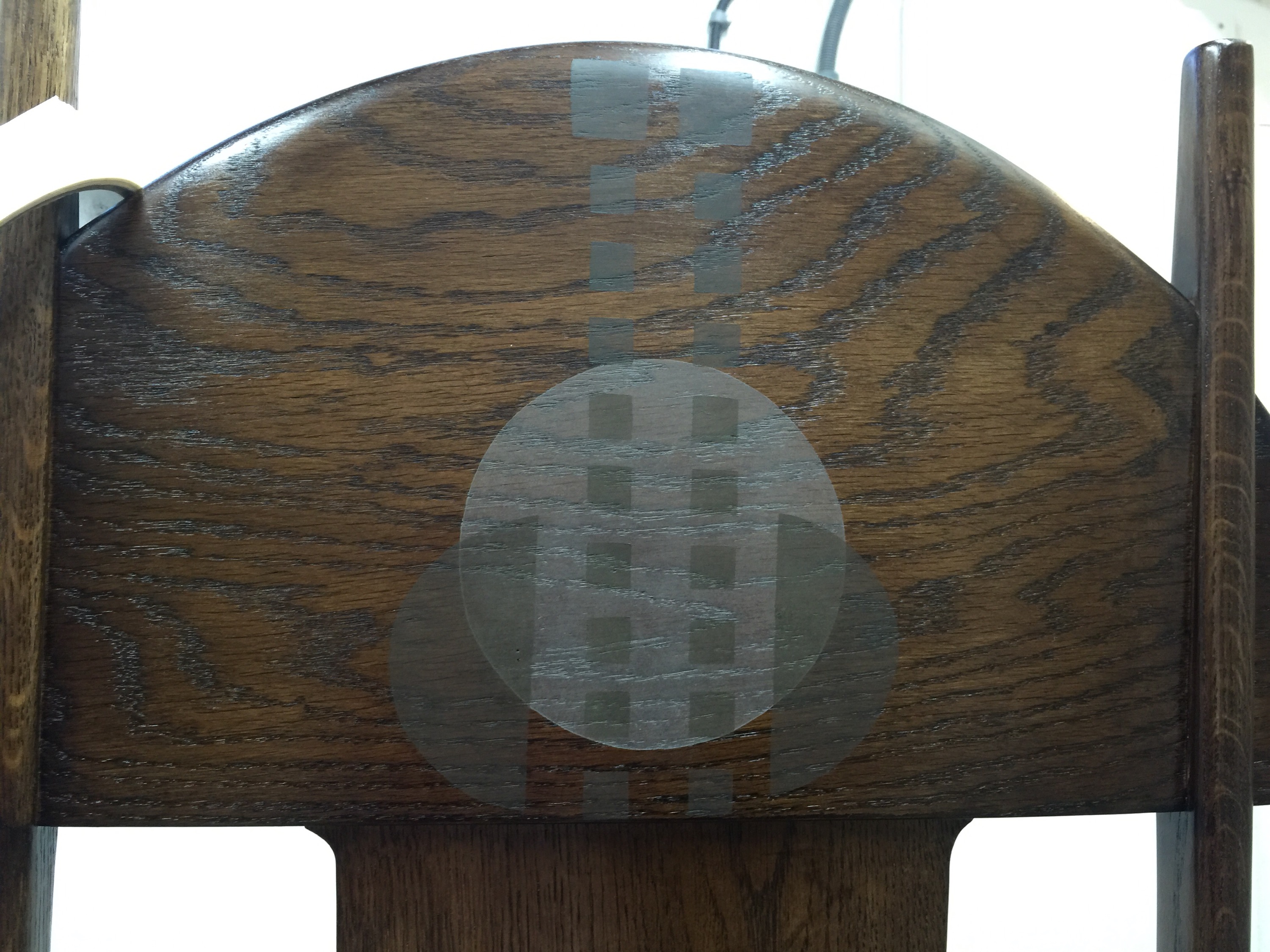
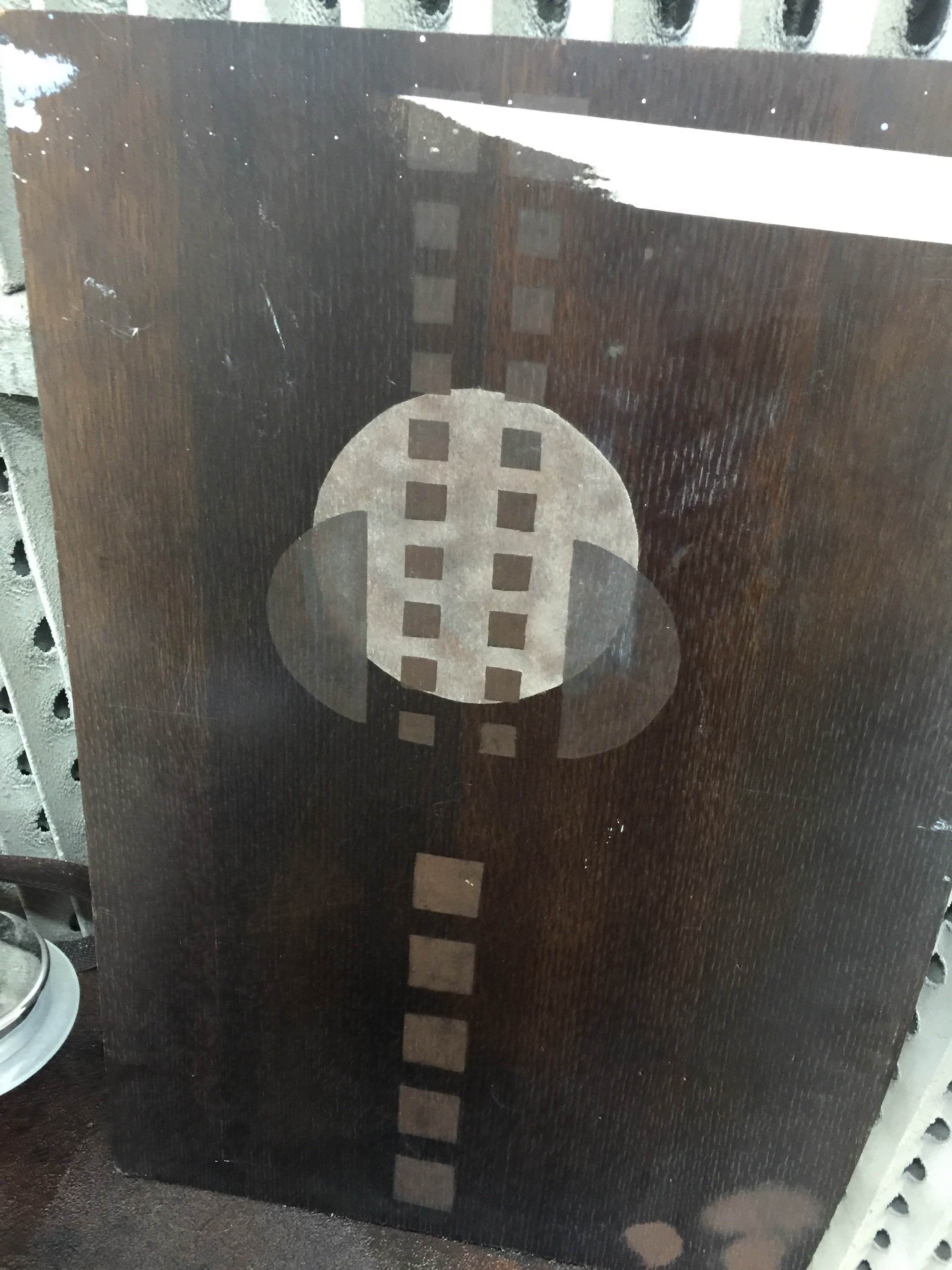
One of the best part of the project is the makers I met while working on this commission with whom I still work today. Like Bruce Hamilton the furniture maker. Together we made the chairs for this dining room. Bruce was commissioned to make the dining room furniture. He is a genuine furniture maker with a true understanding of wood and joints, his workshop is full of magic and he has been working on Mackintosh chairs for many years. A great deal of expertise. He made the chairs… I stencilled them… great team work ! and we still work together today. We have this understated connexion which comes out of sharing a very special task. Today he makes clocks and I stencil them ! But this is still the Mackintosh connexion.
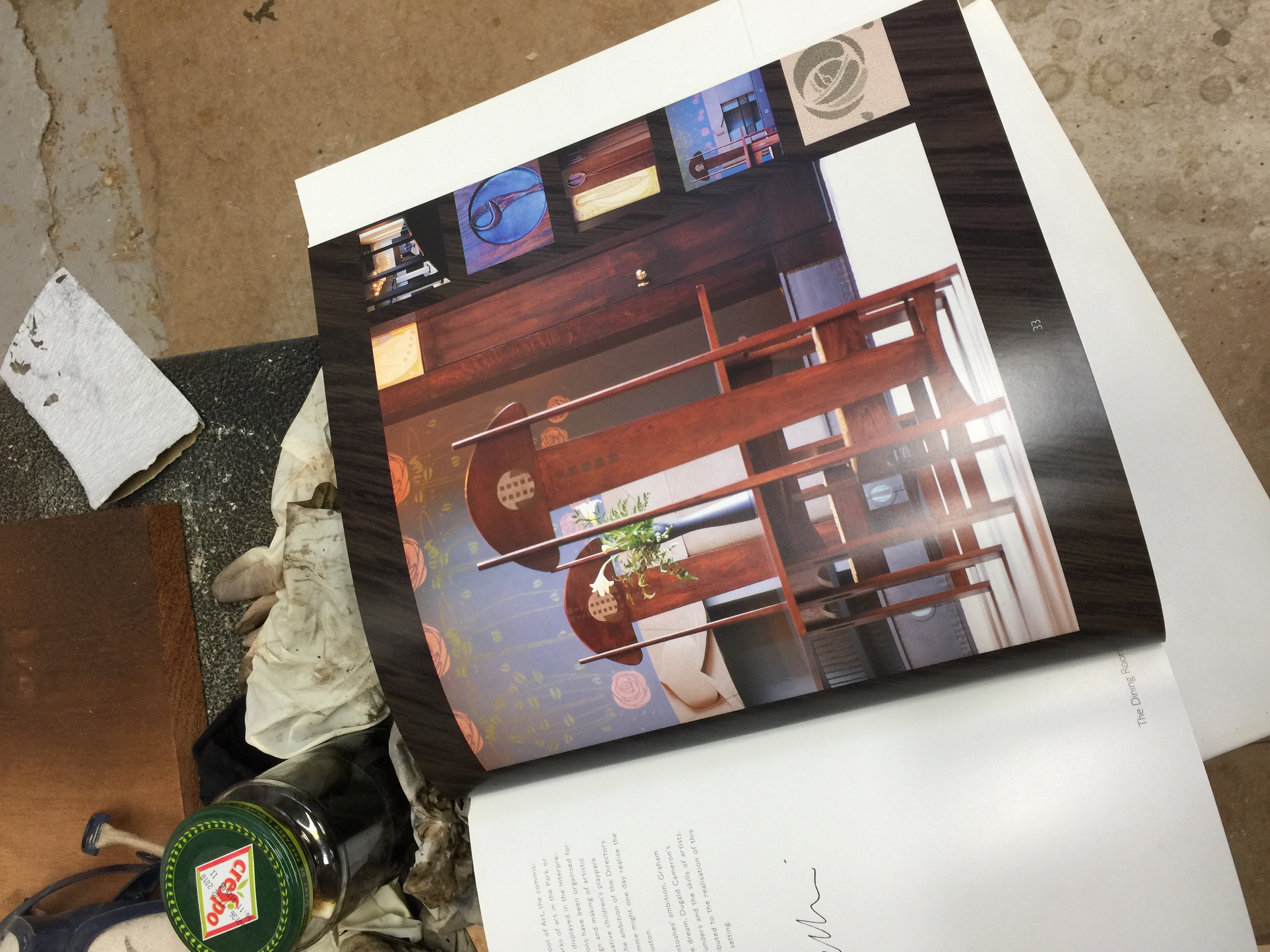
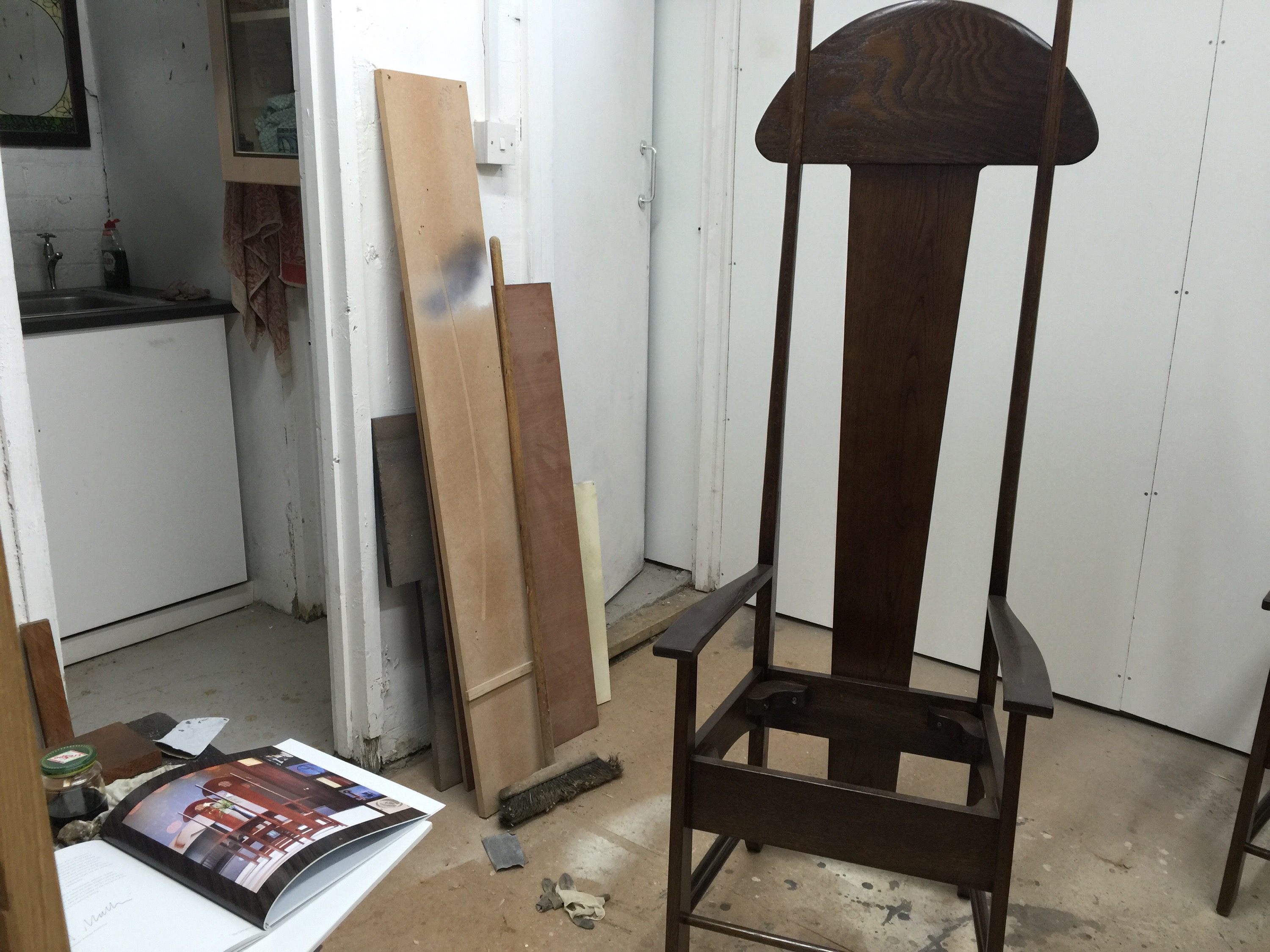
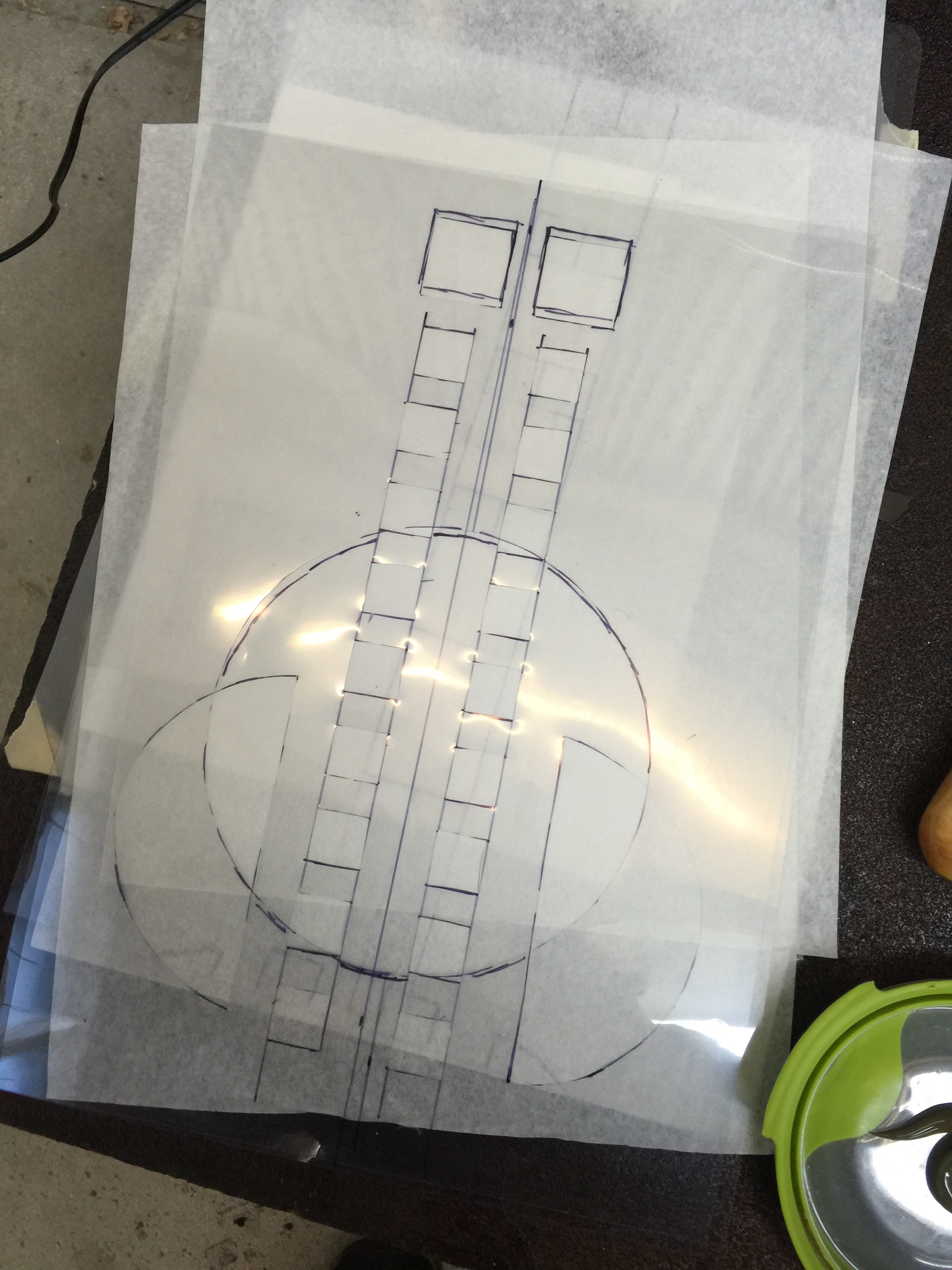


photo Asley Coombes photography

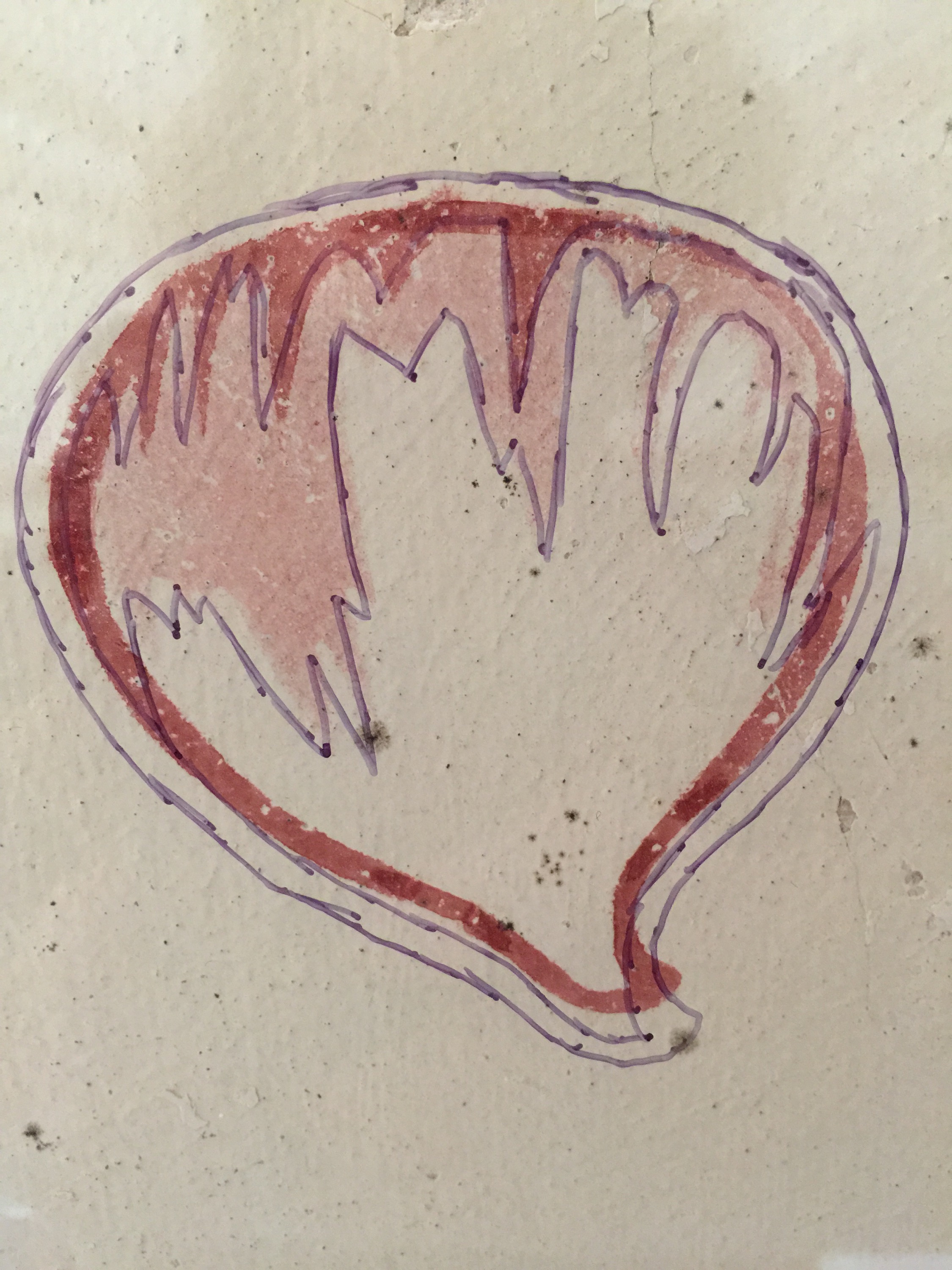
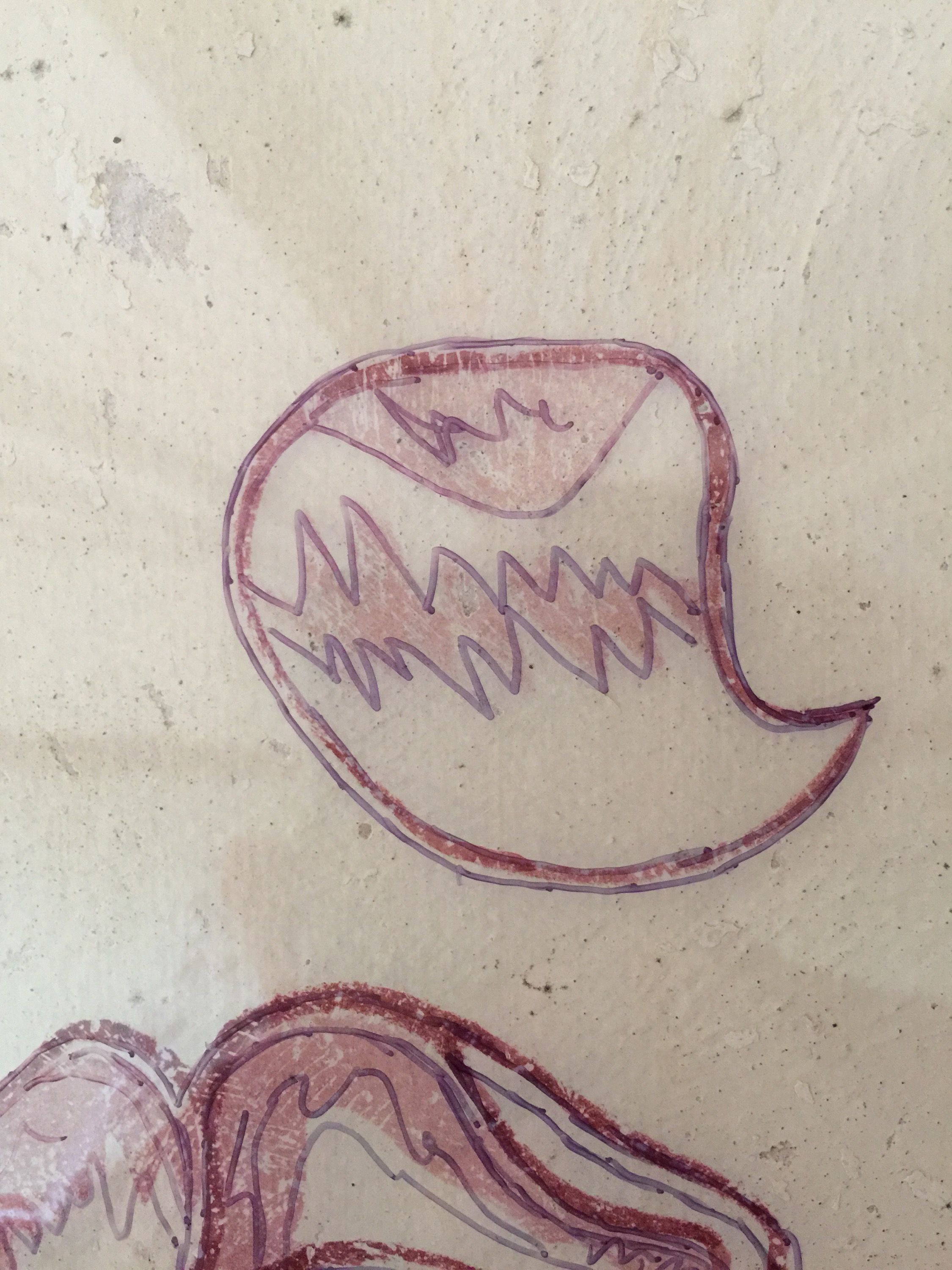
I have though one regret about this commission and I might one of those days raise the issue again and it is about the painted over frieze which probably no one remembers apart from a handful of people !!! The large panelled hall had a very clearly stencilled frieze in the shape of a geometrical tree in some drab green and pink. I came up with a design, it was approved and I spent 2 months up a scaffolding stencilling it. As tall as me a very impressive motif. It was truly stunning but… a couple of weeks before the opening… The Glasgow School of Arts on the basis that none of the other built Mackintosh properties had stencils in their halls decided to paint over. The rational was that Mackintosh would have probably changed his mind and not gone ahead with the design. I am not so sure about this. I think the great man had the right to have a variation on his usual theme. Below is the photo of the stencilled scheme taken before it vanished. I have the hope one day it will be reinstated.
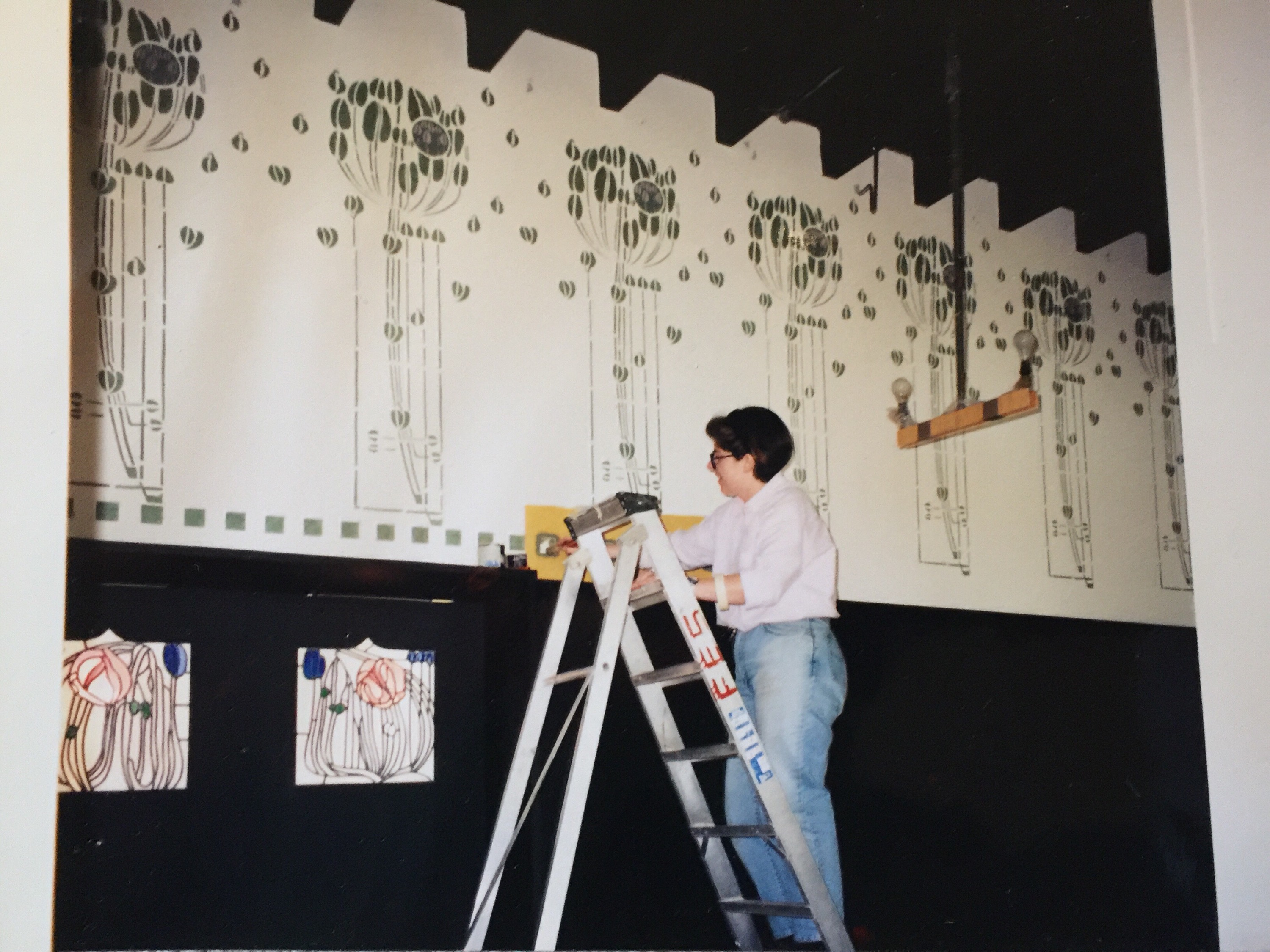
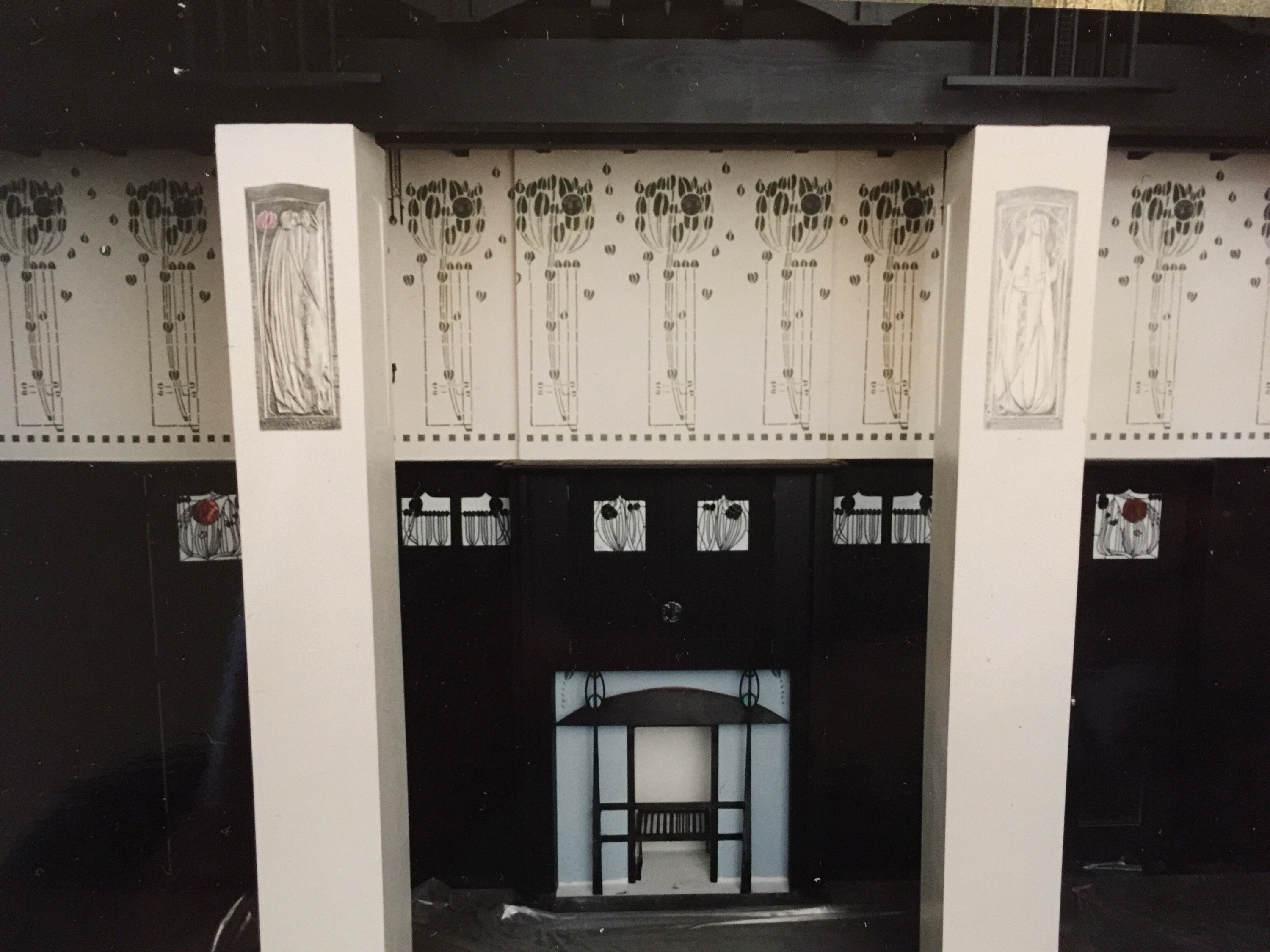
  
 What do you think everyone?

I visit the house regularly, I even run classes there every season. It is terrific to see this work marvelling the visitors. It is great to have your own dreams but its even better to work with others to make a Genius’s dream come through for many to admire.

Take a visit its easy access and will hopefully marvel you too. And if you would like me to take you around and tell you more about it. Drop me an email @ bettysbeautifullife@gmail.com

The House for an Art Lover


When vintage decoupaged pots meets Chocolatier or the definition of good style

A good 200 years ago French craftsmen to the name of the Martin brothers came up with a varnish to fake the Chinese and Japanese lackerware to make it available to the well to do. Their ware took Europe by storm and most household had to have a set of vases or a carriage clock in “Vernis Martin”.

A good number of years ago I saw a carriage clock in delicate shades of turquoise blue with lovely soft hand painted roses in a Lyon (France) Decorative Arts Museum. It was a “Vernis Martin” clock, I can’t remember the museum but I can still remember the clock vividly. It had this elegance of timeless pieces, it had aged beautifully and the varnish had … 200 years later taken some lovely small cracks which we aim to copy nowadays with all sort of concoctions. Off course I have spent the following 30 years trying to reproduce this elegance in my ware.

I have decorated a good number of items over the years, all shapes and sizes, all colours with and without prints but my favourite is still the humble planter pot. A few thousands of pots have gone through my workshop and I hope they are adorning the home of those who have purchased them. I have this vision of pots seating on window ledges with delicate plants ageing beautifully. Every so often I meet a past customer who still treasures their. Sometimes I come across a course goer who confirms pot making is addictive and after joining one of my classes they made pots for months… showering the whole of their families with those humble pots decorated in all sorts of way.

I even meet last week end a past student of The Glasgow School of Arts, now the successful painter Elaine Johnston who antiqued pots for me during her students years…. Elaine and I laughed at the memories of pre-Christmas rush and piece work.

For my pots I have always used French prints, farmyard designs, classical borders, delicate botanical plants and flowers… hand cut (another piece work joy) they were delicately glued to a painted pot and then an antique finish is applied over the top. Finally it is varnished and protected to insure the finished object is enjoyed for years to come.

Those pots have found their way to some of the most prestigious gifts shops around Europe and beyond… from the National Trust of Scotland garden shops to the shelves of Harrods via Paris outlets and even the Metropolitan Museum of Arts in NY one year.

Nowadays I go for smaller batches, more interesting places. I also prefer to teach all willing to learn how to make those, how to find the right print, how to cut it in a way to match the pot shape. How to make sure the glaze cracks … You could join one of my courses any time next year and make your own pots then…for my course program you could always email me at bettysbeautifullife@gmail.com

This week I have extracted from my workshop 18 unique pots in a variety of styles and I have given them to Glasgow based Chocolatier Stacey Hannah (alias Miss Sugar Wings)  to fill up with her hand made chocolates, her hot chocolate mix and her hand made marshmallows. She will sell them over the Christmas Period in Glasgow to lucky people who will get the best chocolates and other delicacies and a delightful pot to keep for years to come (I mean the pot not the chocolates… if I was them I would scoff the chocolates on my way back they are that good…). Stacey is a proper Chocolatier you know… she was trained by a French Man from Meert in Lille and her chocolates have the sparkle of French chocolates they are truly amazing… Have you ever read the novel “Chocolat” ? Well when I read the pages about the chocolate making I can just imagine Stacey using some of her magic to produce those little miracles … you only bite in them slowly and savour every little bit. She combines the best coco to delicate flavours. Her battle name is “Miss SugarWings” and she will be at the Glasgow – St Enoch Place Christmas market until Christmas.

Why don’t you pay her a visit and treat yourself to one of my pots with her delicious concoction in it. What a treat… it does not have to be for Christmas but it could !

Let me know if you do…

Love Betty xx

← Back

Thank you for your response. ✨

La Poule de Grand Mere hand decorated planter pot with crackled finish from The Lansdowne House

Ault Wharrie ! A very enjoyable job indeed ! Team work is essential for a great achievement !

Once before I was blessed with taking part in a grand and exciting project.
Realising the work of a great architect as part of a team of makers! Project of great artistic value, renowned architect of the turn of the century, team of very skilful crafts people … It was around when Charles Rennie Mackintosh’s The House for an Art Lover was built in Glasgow.


The House for an Art Lover circa 1992
  
Dining room stencil at The House for an Art Lover
 But even then, some components were missing to make it a completely blissful project… there was no patron and very little instructions from the said architect. Difficult decisions were made, like painting over a completed frieze never knowing if the said architect who have wanted that. Experts were deciding but no  patron there to decide what would be acceptable for their great house.

Several times after that, I worked on re-creations of stencilled schemes for some of the great exhibitions, The Charles Rennie Mackintosh retrospective and the George Walton retrospective both in Glasgow, but even then, while more information was available and the schemes were based on existing work made for clients there was still something missing… still no patron… Just visitors; they would come… admire very briefly the work realised which then would be dismantled. And every time I longed the rapport with the client, the admirer who was so keen on the architect/designer’s work that he/she had decided to make it happen and be happy with it ever after. The discussion on how to interpret the instructions of the master…


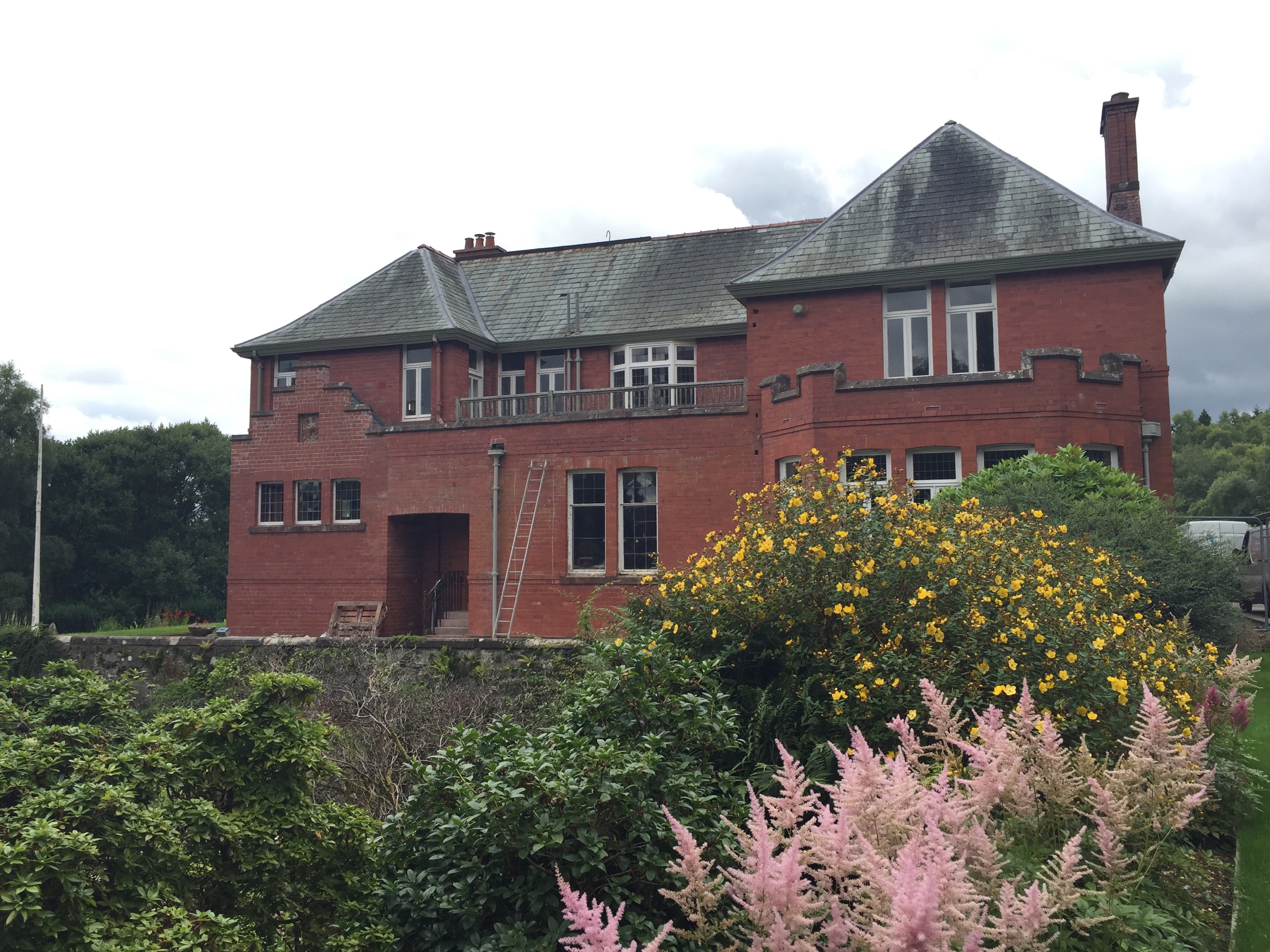
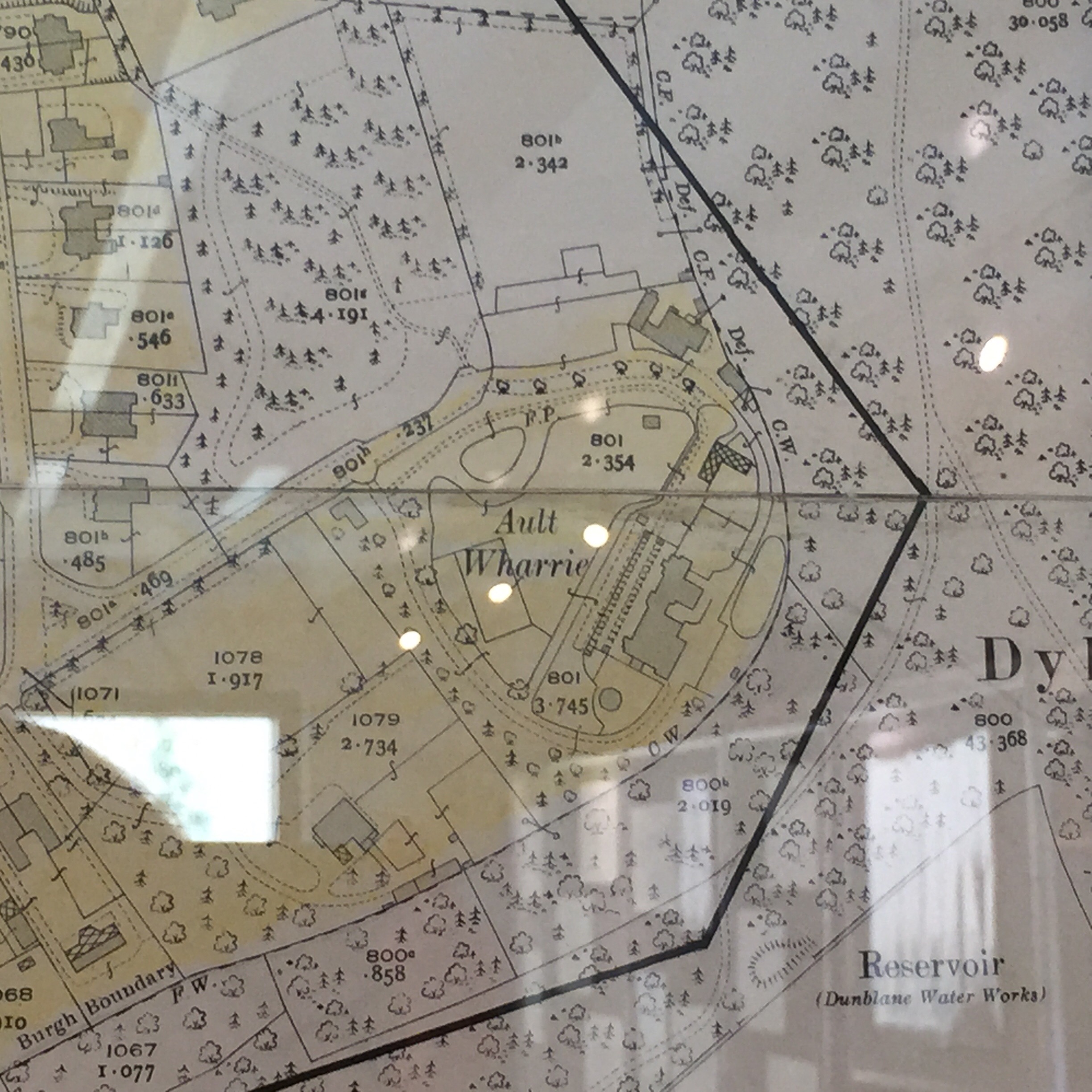
Ault Wharrie 1903 Walton
  
os map showing Ault Wharrie
 

Ault Wharrie is another story, built in 1903 after George Walton’s design, this building has pleased and marvelled a client already, its first owner . Someone who has admired the architect/designer enough to invest time, money and energy to have it built and lived in it. This time the story repeats itself and the building has a new owner, a new patron, a couple so enthuse about the work of the architect/designer that they have decided to invest a huge amount of time and resources into getting it back in its original condition. Bill Carman, Celia Aitken and their children are so taken by the work of George Walton that they have researched, funded and worked hard at putting together a team of makers so to allow the rebirth of this wonderful building. It is history repeating itself, a truly wonderful thing. Walton would be proud of us all.

The best part is that I have been blessed enough to be asked to be part of the team and this time, it feels complete. Architect, design, patron, makers all the components are there.


 George Walton highlighted the crucial importance of the role of the skillful craftsmen in the realisation of the architect’s design during his career and wether this influenced Bill and Celia in their quest to make sure Ault Wharrie was put back to its original grandeur is not certain but I can confirm that they have been relentless in their search for any elements and people to help in the remaking. From the right architect firm who would understand traditional early 20th century buildings to the skilful wood worker who can return the old wood panneling back to its original beauty. Painters, Restaurers, Stenciller, Metal worker, Stain glass artist, have been found sometimes after great effort and long research. They have been enrolled into this quest for the perfect recreation of what was in 1903 a superbe private commission by the young George Walton and his team of craftsmen.

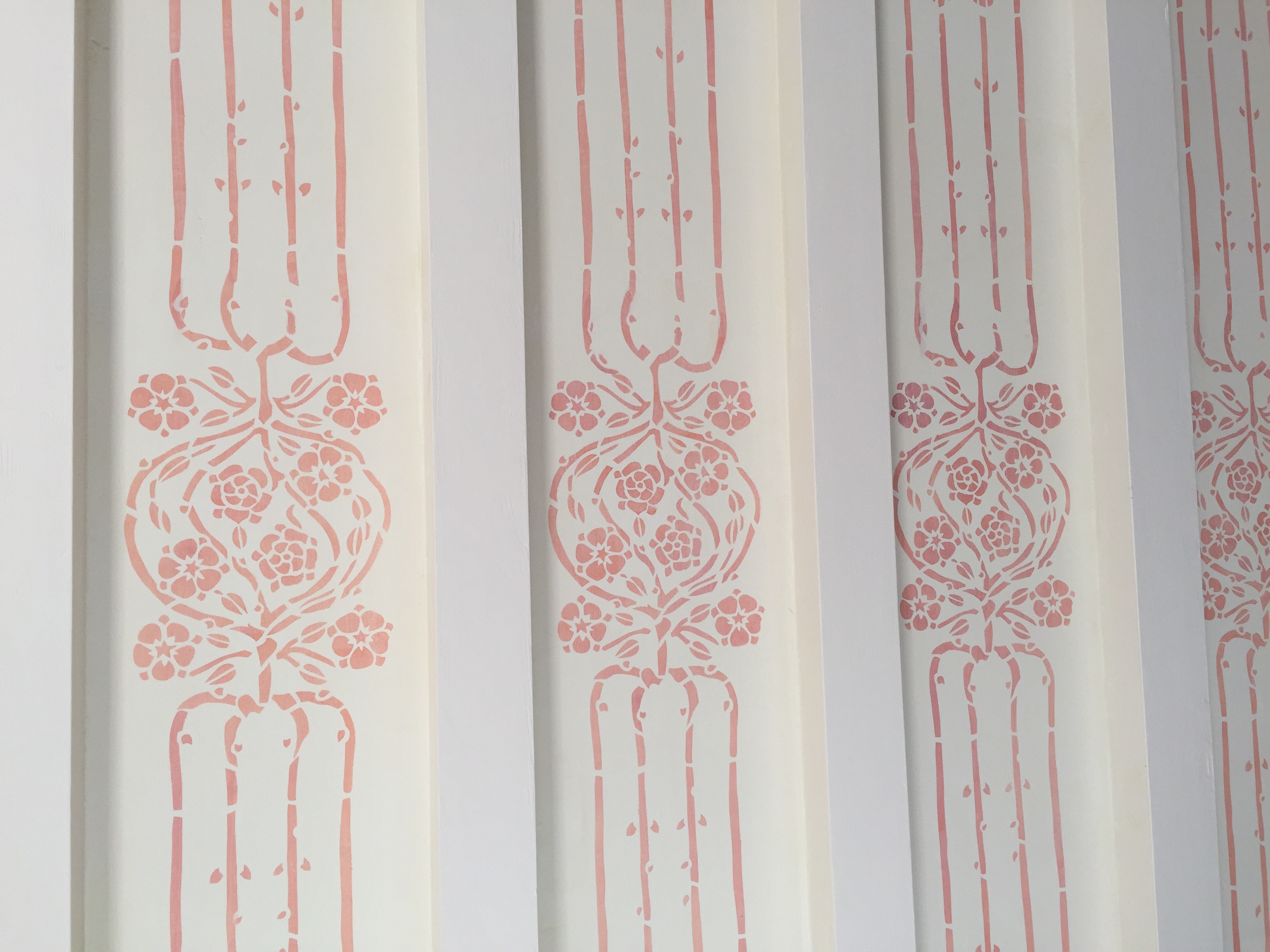
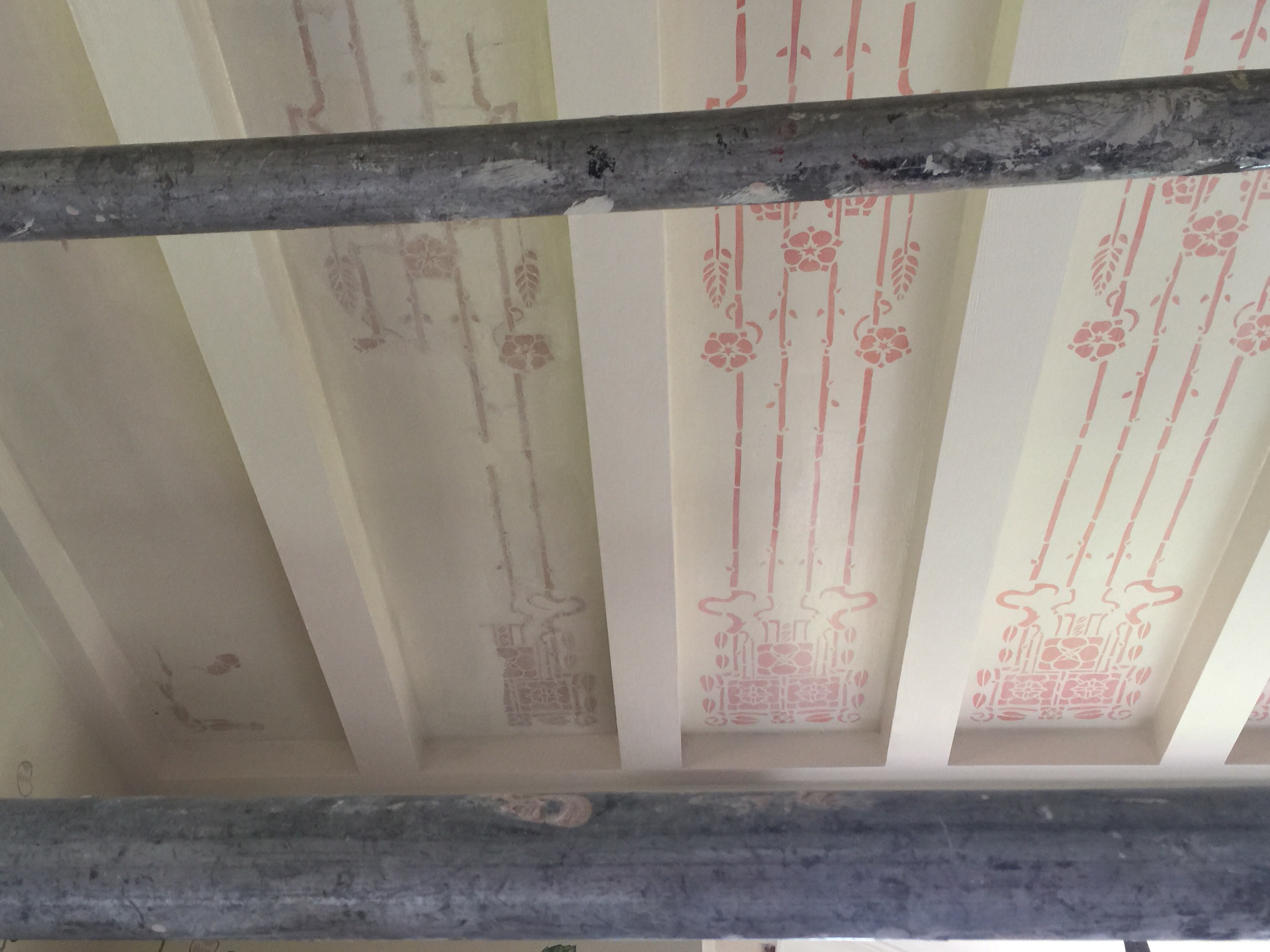
My role is to re-create some of the stencilled schemes. Those are the first who vanish in any historic building. The fashion changes quickly and well… what gave the owner a lot of pleasure yesterday just gets painted over as soon as it runs out of fashion and that is usually quite fast. We think that because those buildings were built over 100 years ago the owners protected their interiors but in fact just as today fashion in interior design were very short lived and any frieze, tile, wall painting did not live for very long. My job is to research the signs and use the elements made available by the restorers to re-create yesterday’s frieze with today’s findings.


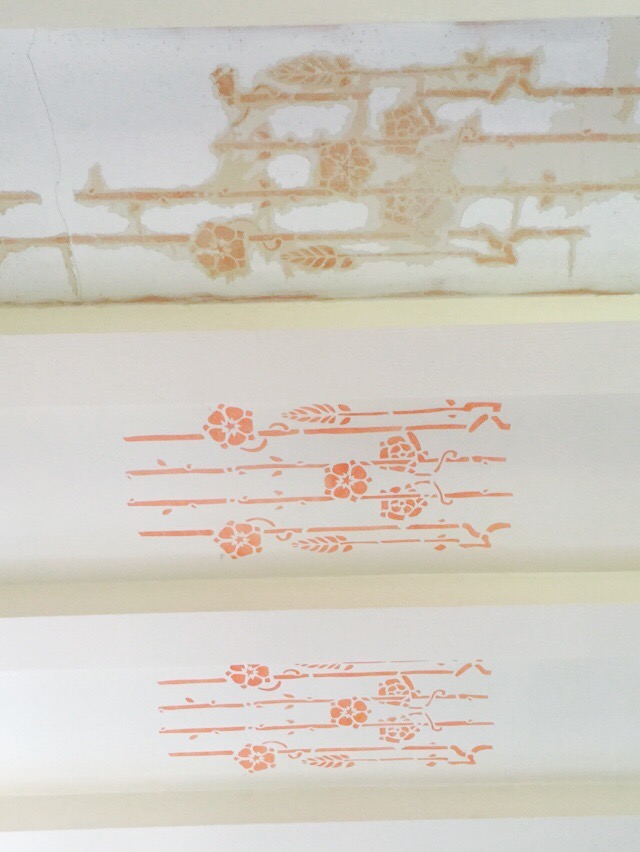
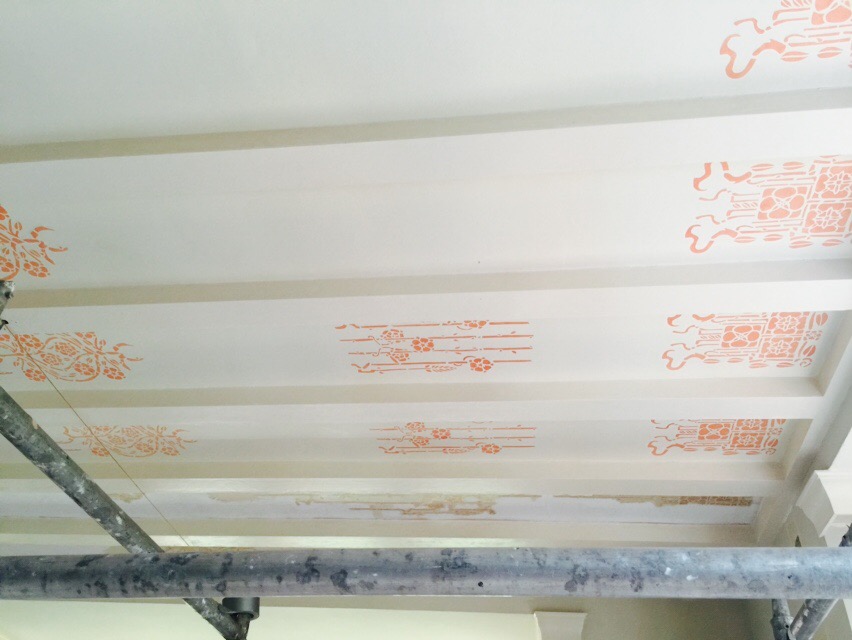
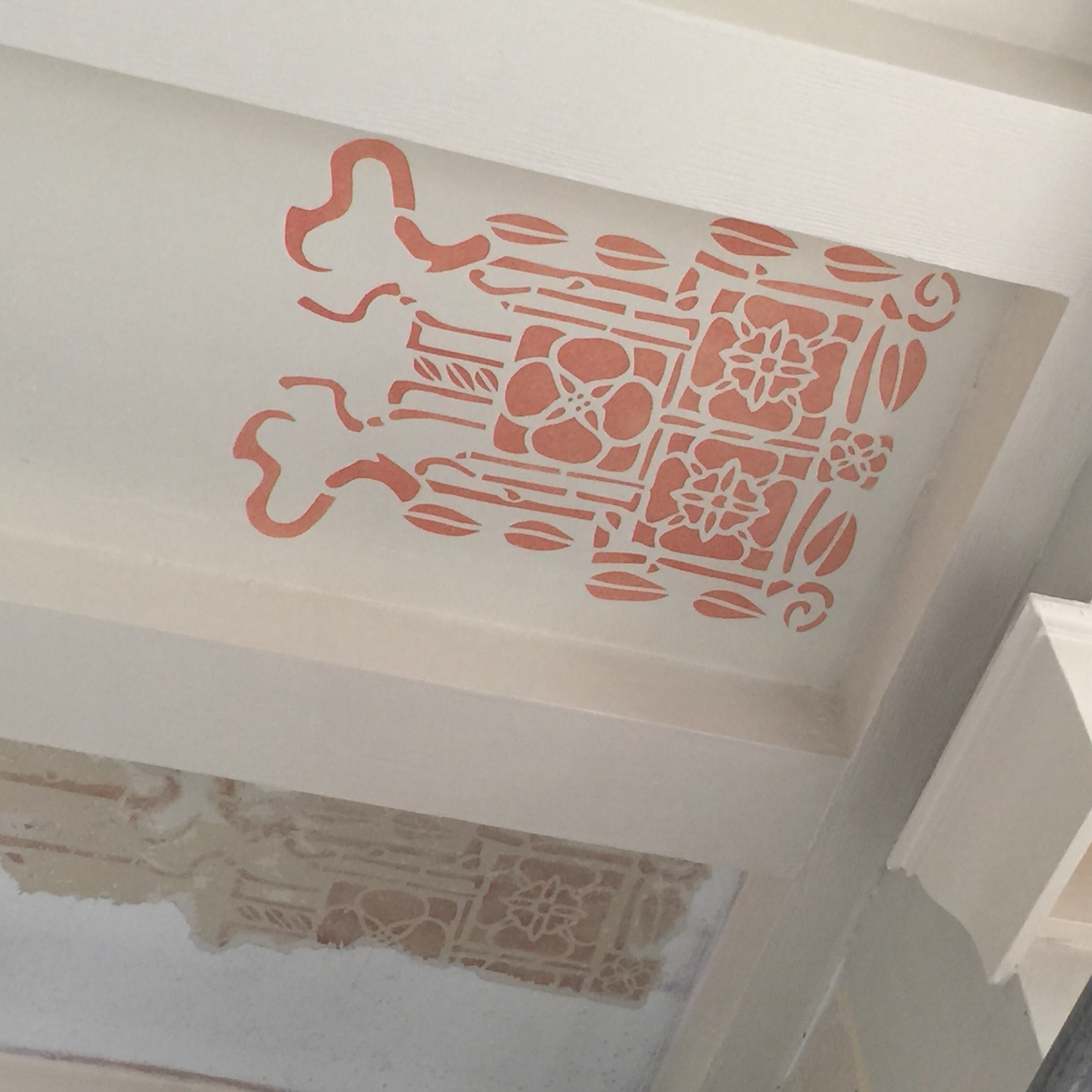
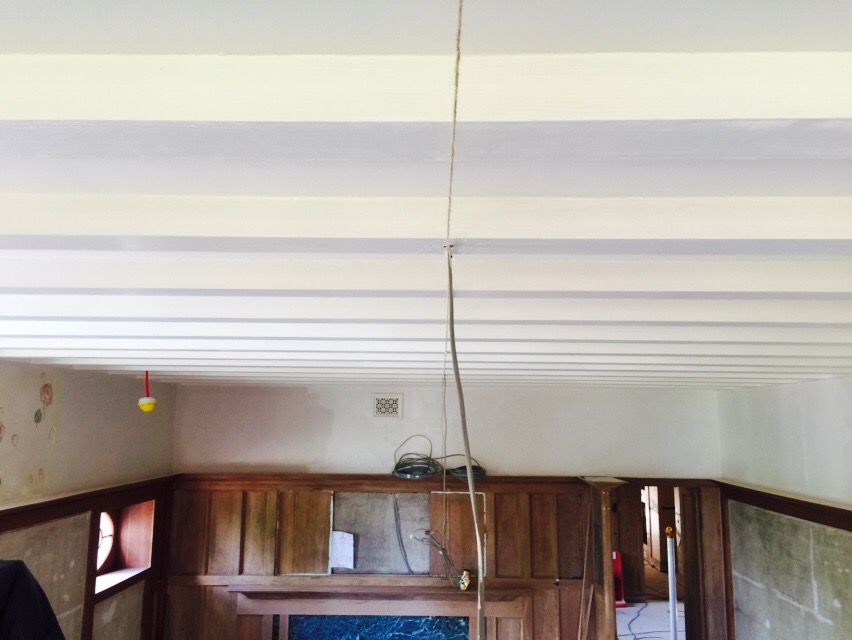
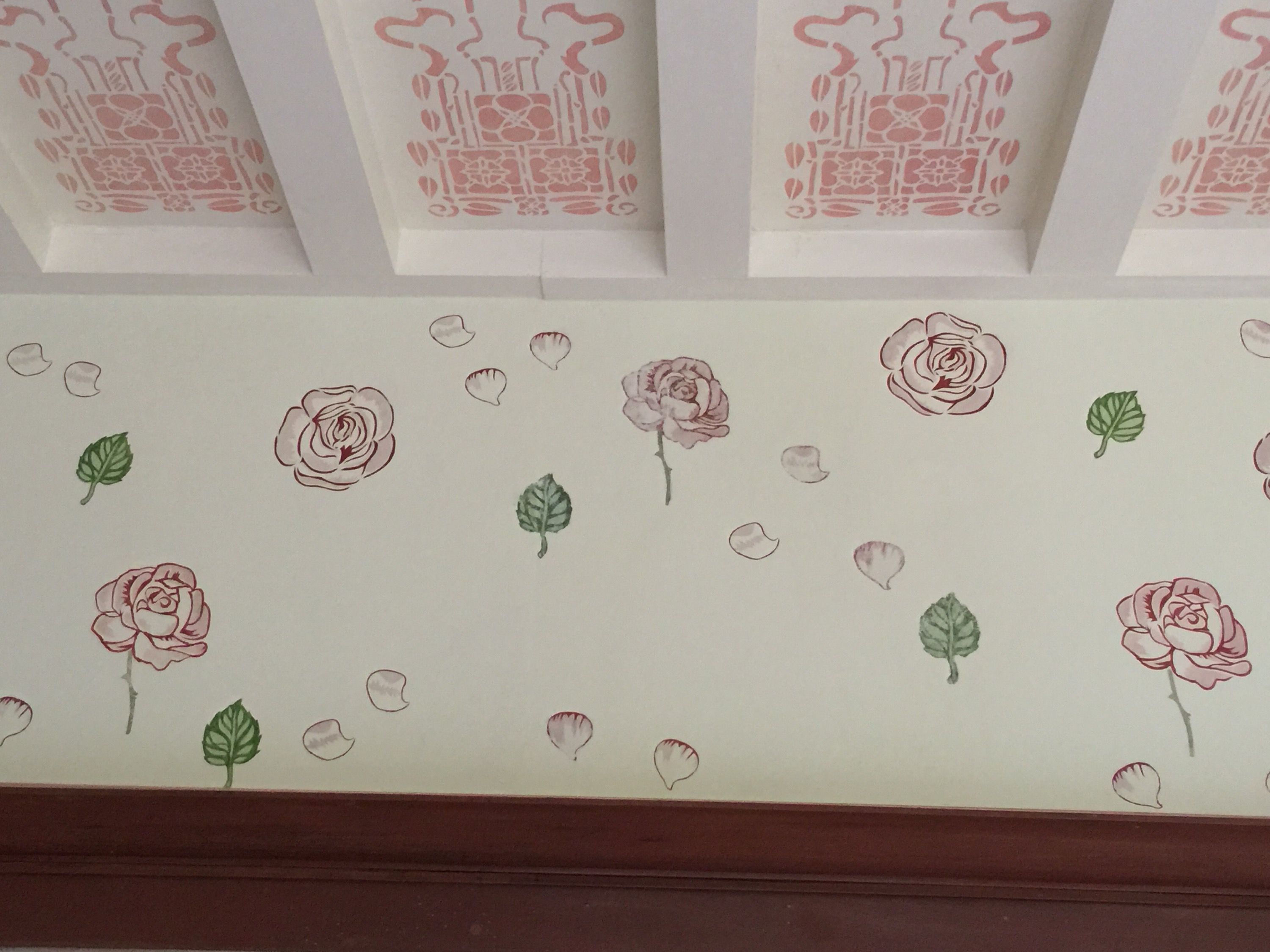
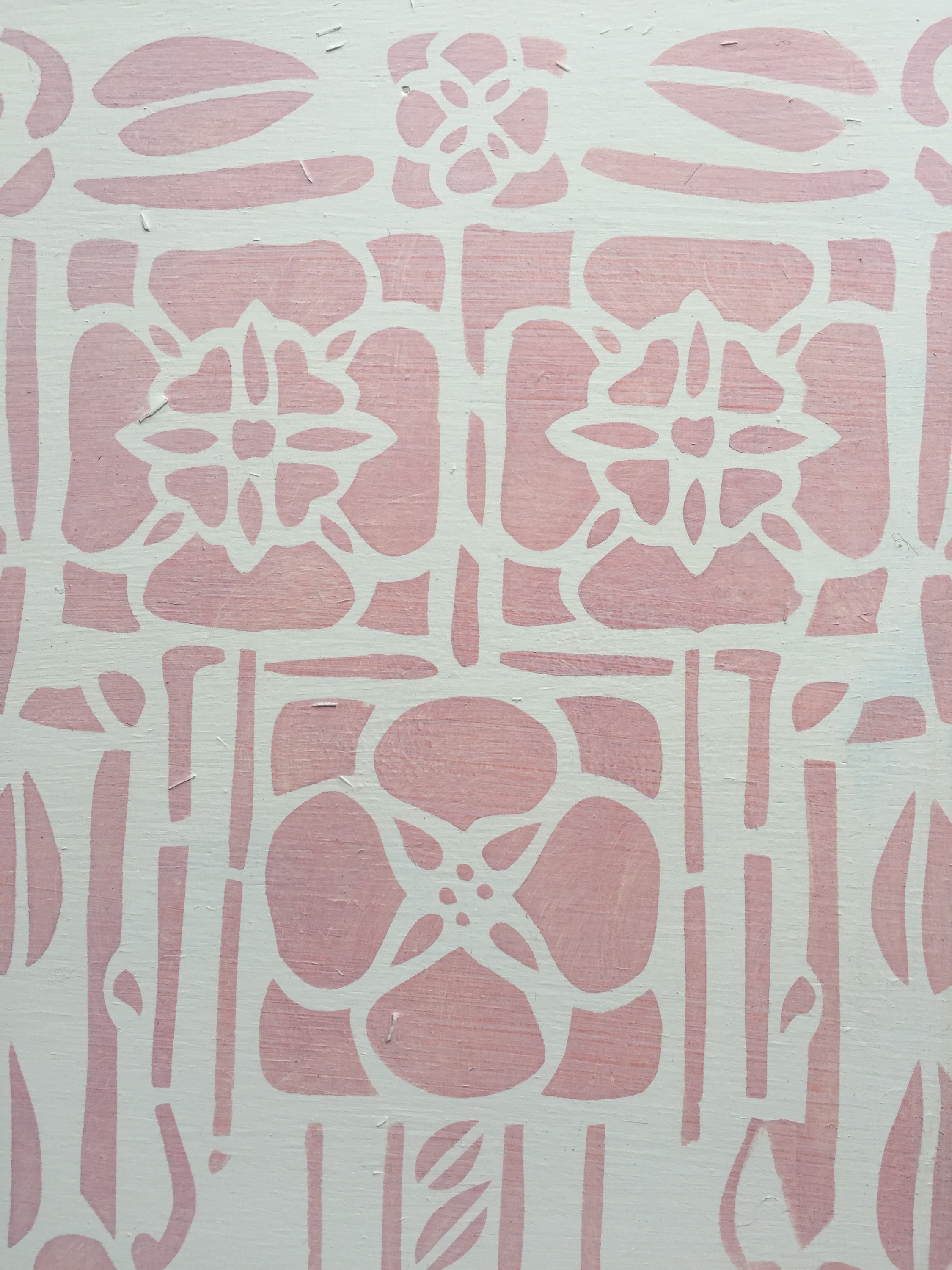
Its not just artistic and indeed the process of applying the paint on the wall is a very small part of the job at hand. When recreating the stencilled frieze on the ceiling at Ault Wharrie my hardest task was to get the stencil plate to stick on the ceiling… gravity being there to make my last very difficult. But it is so rewarding to see the job complete knowing the client will be looking at this frieze for the years to come.

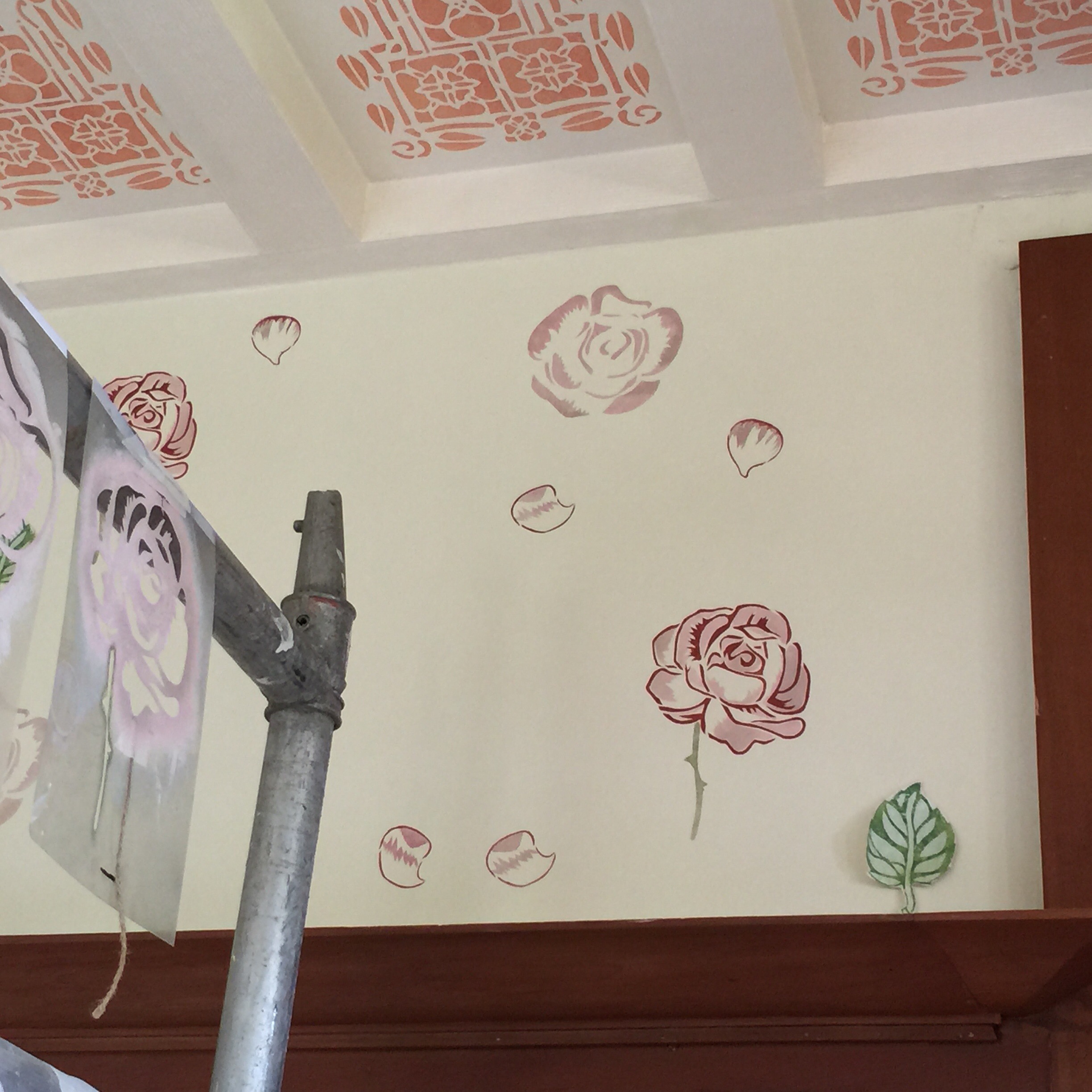
My very favourite  room at Ault Wharrie is the seating room on the side of the house. Just around from the old Billiard Room this is a room full of lightness with walls lined of an almond green hessian wall paper and decorated above the picture rail and on the ceiling with the most exquisite stencilled roses. But the ceiling is just so very magical. To restore this room though we had to put some serious team-work together… Restorers to uncover some traces of yesterday… A wood specialist to restore the panelling to their original splendour, A glass man to rebuilt windows like only Victorians could put together, myself off course to re-create the stencilled scheme. A client to sponsor the lot. The end result is magical.


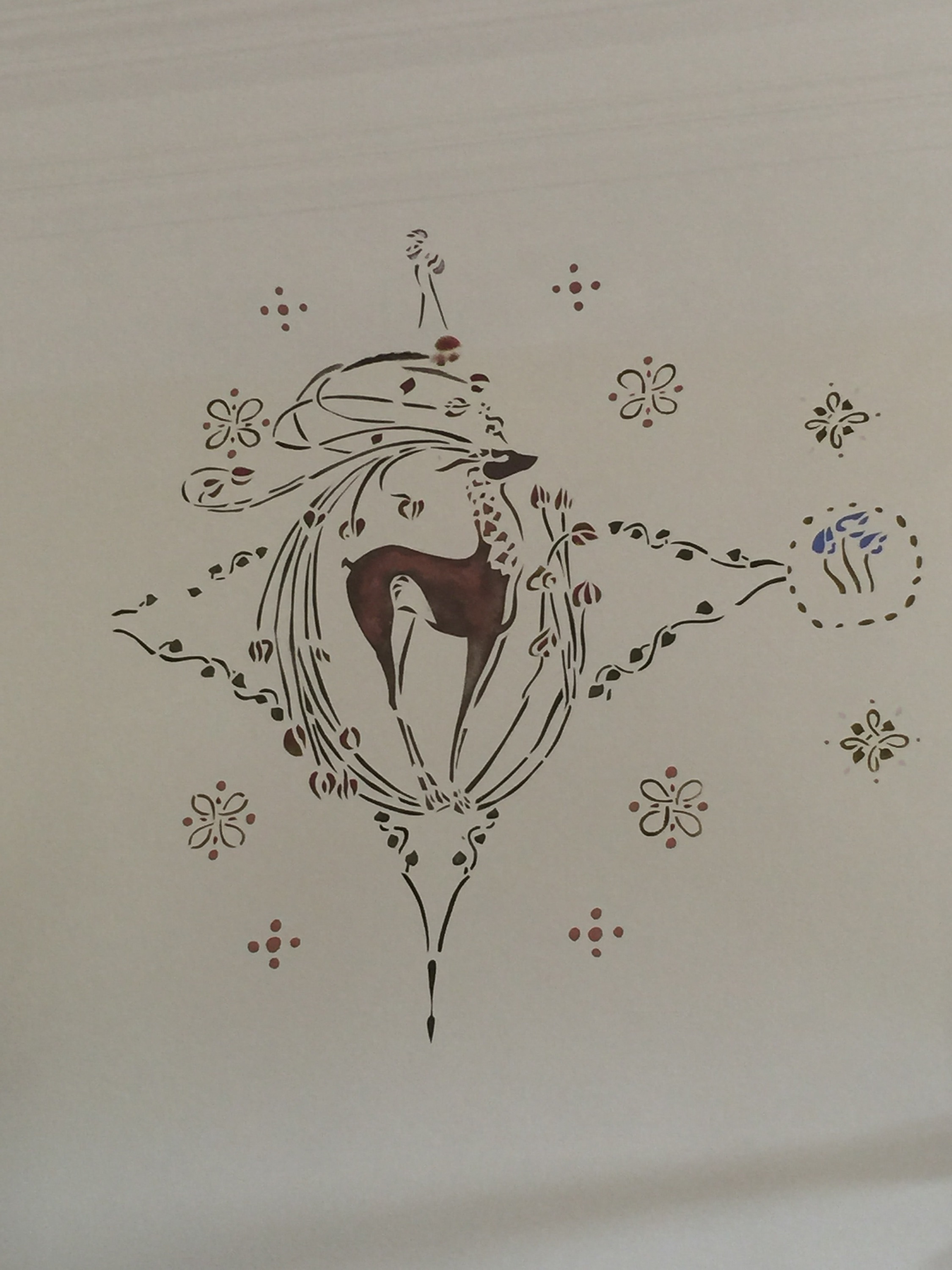
But that was yesterday… I am moving upstairs to the master bedroom where I will be using a great design from one of Miss Cranston’s tea room design in Glasgow.


The master bedroom work in progress
  
The deer stencil a modern take !

 I have to pinch myself regularly to make sure I don’t wake up in a dream. This project has something of a surreal quality.

But i feel i have finally found the Perfect team work … Architect design patron makers … I can not wait to see the finish product 


Stencilling Mackintosh workshop

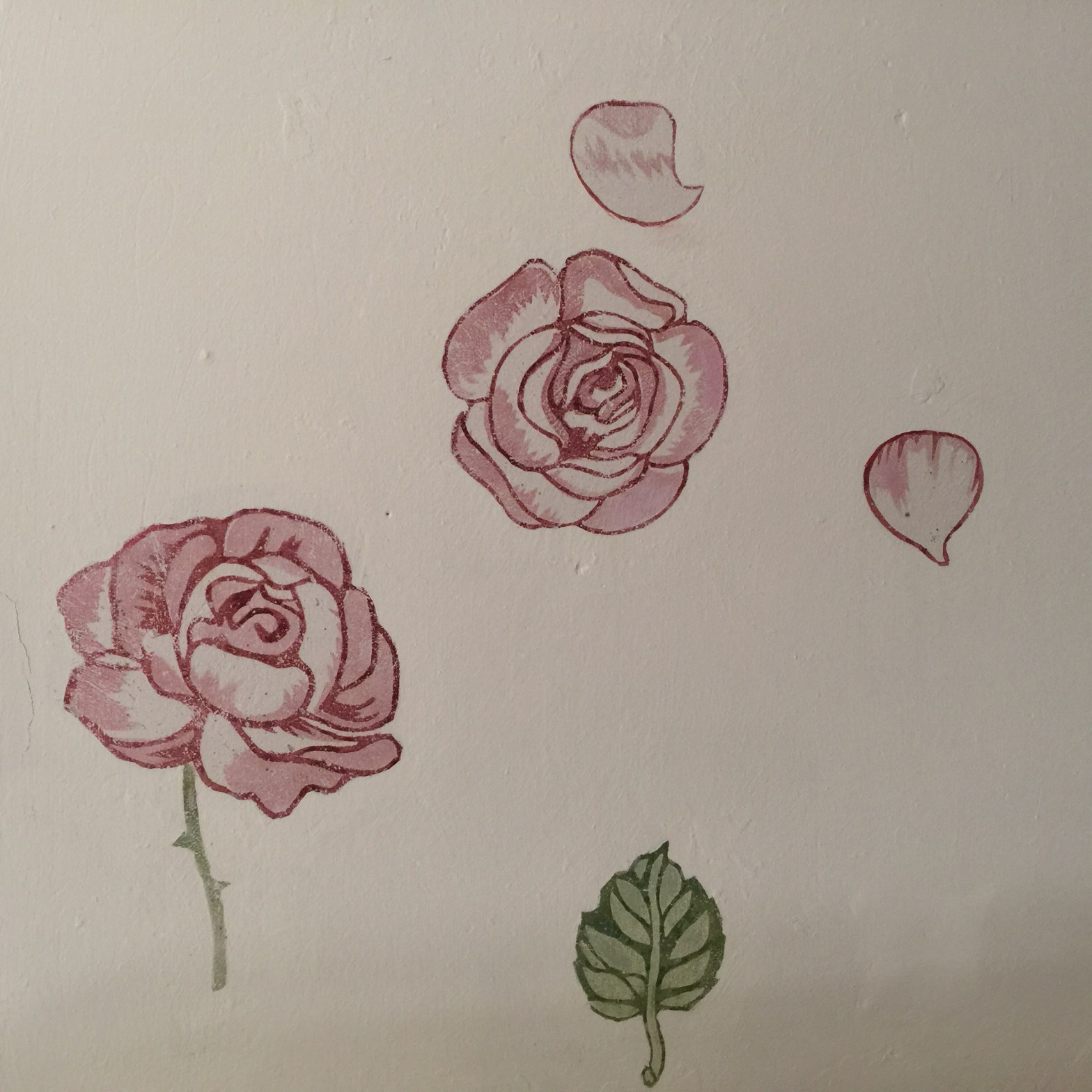
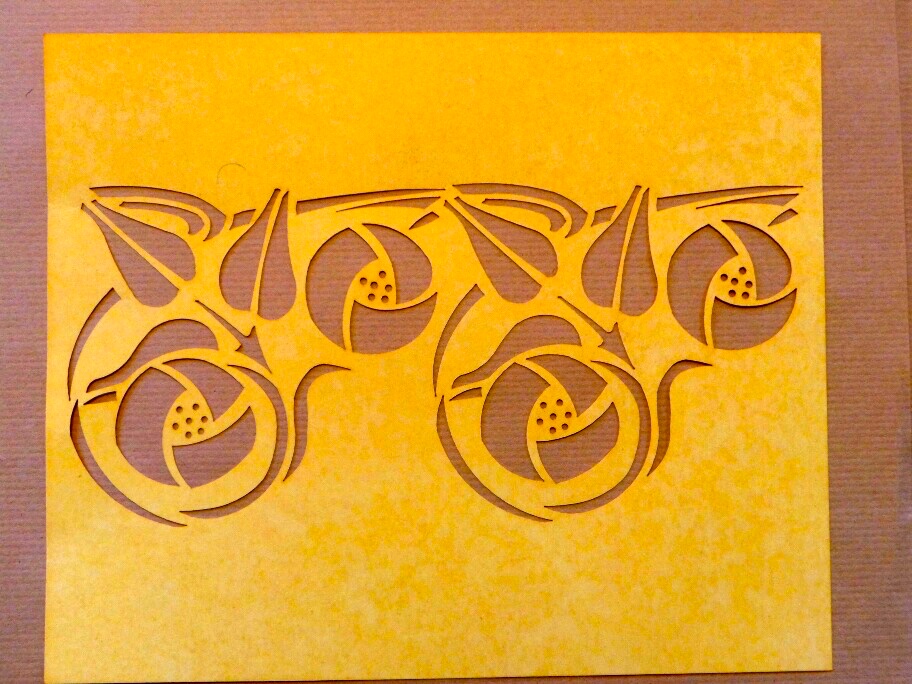
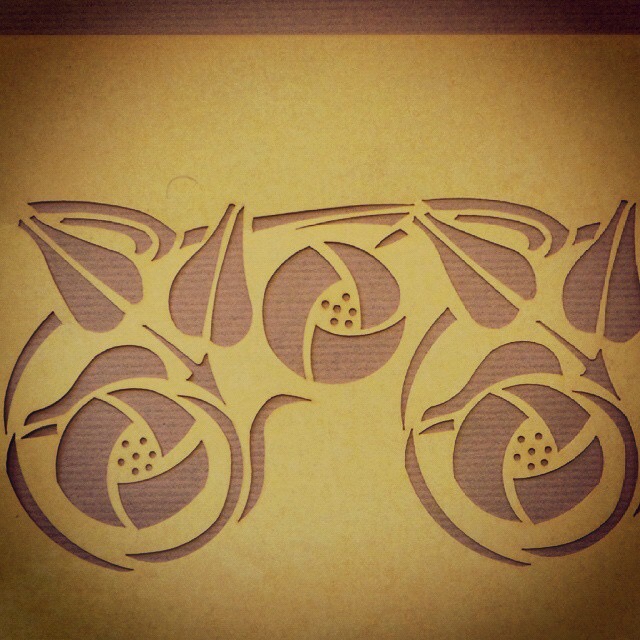
Glasgow rose stencil border

This workshop takes place in the fashionable West end of Glasgow, only a stone throwaway from the Mackintosh House at the Hunterian Art Gallery and the Mackintosh church.

During that day you will learn to cut and apply one (or two) Glasgow style stencils in the style of Charles Rennie Mackintosh to several background … wall, fabric etc…

The day will be full of discovery and practice but you will also be welcomed with coffee and home baking and a home made lunch in a traditional Glasgow tenement flat. A true way of discovering the Glasgow way of life.

The cost for the day is of £65.00 and includes all material, tea/coffee and lunch. It starts at 10am and finishes at 4pm

To book email me on bettysbeautifullife@gmail.com or book directly on Eventbrite using the link below.
https://www.eventbrite.co.uk/e/stencilling-mackintosh-day-workshop-tickets-17320266383

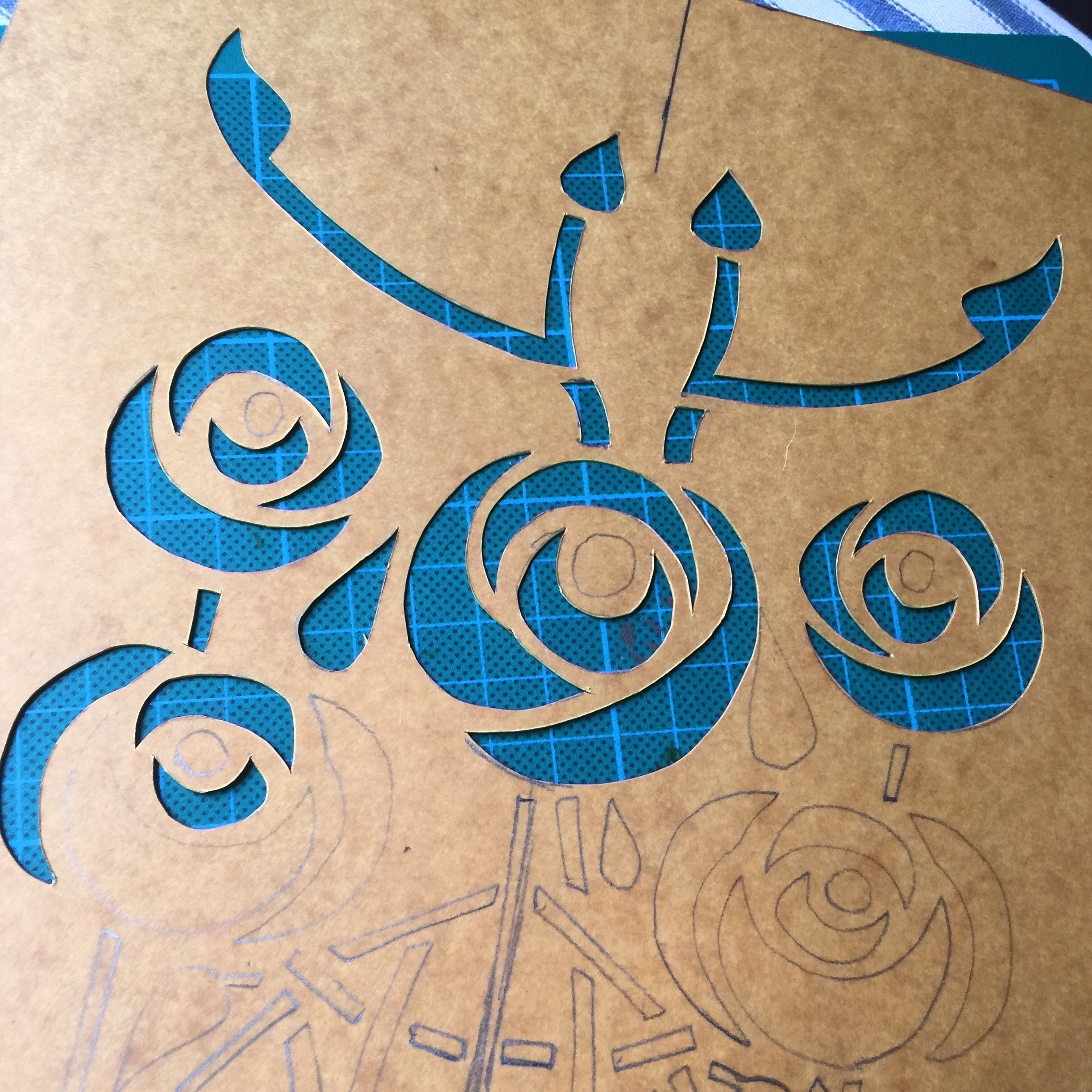
Look around you… Get inspired… or how to use your home sources to design a stencil !

  
One can think designing a stencil is a difficult task, that to achieve that you must be a designer and have a lot of technical skills and that can be true. But I want to show you here that you can find inspiration around you to extract designs that will make a beautiful stencil you can use to adorn your house.

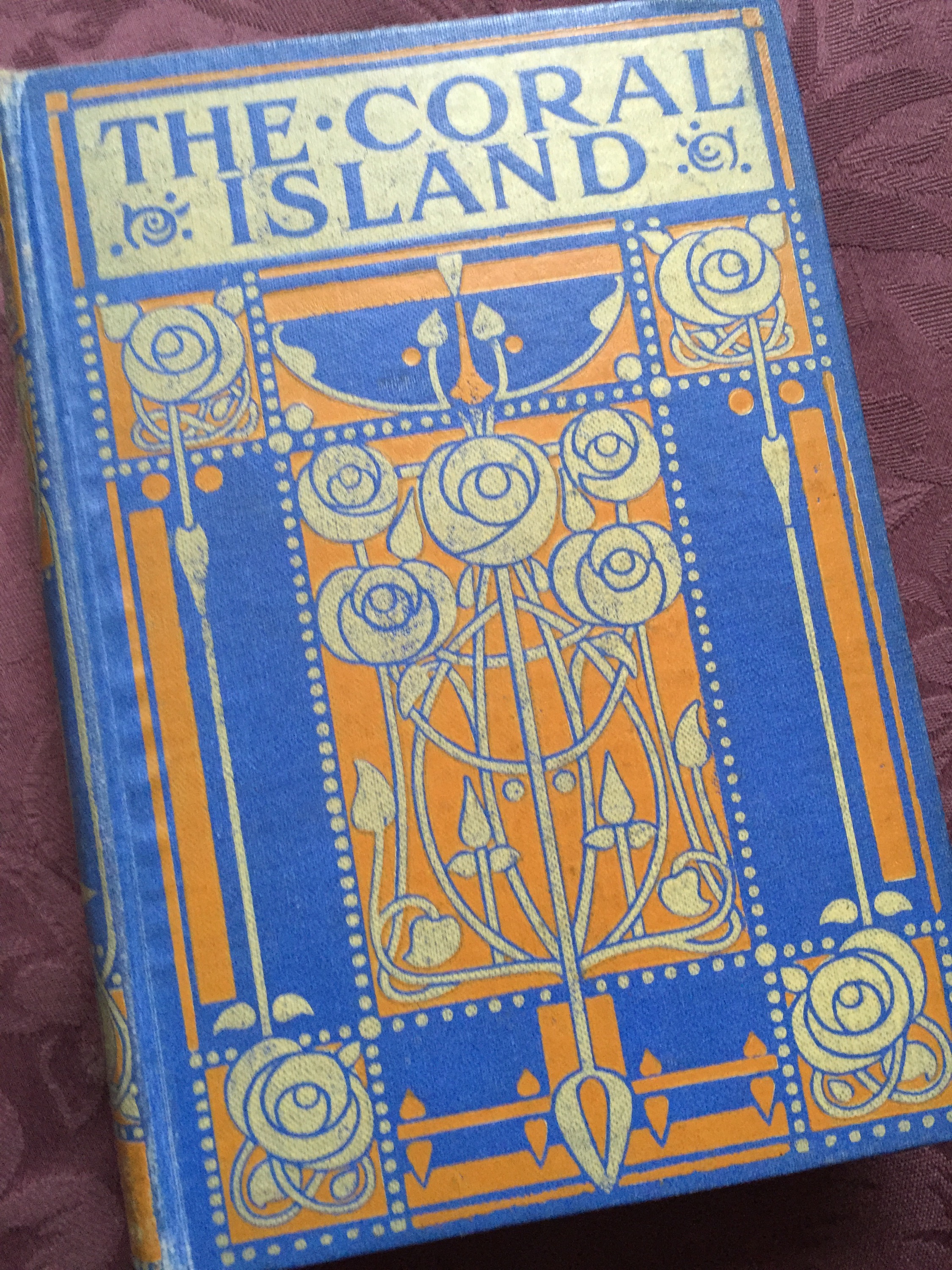
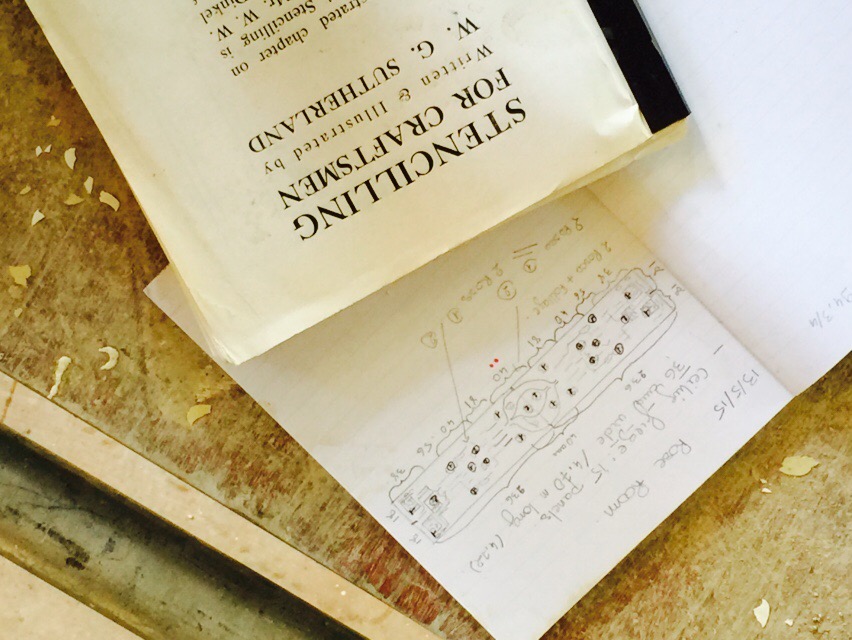
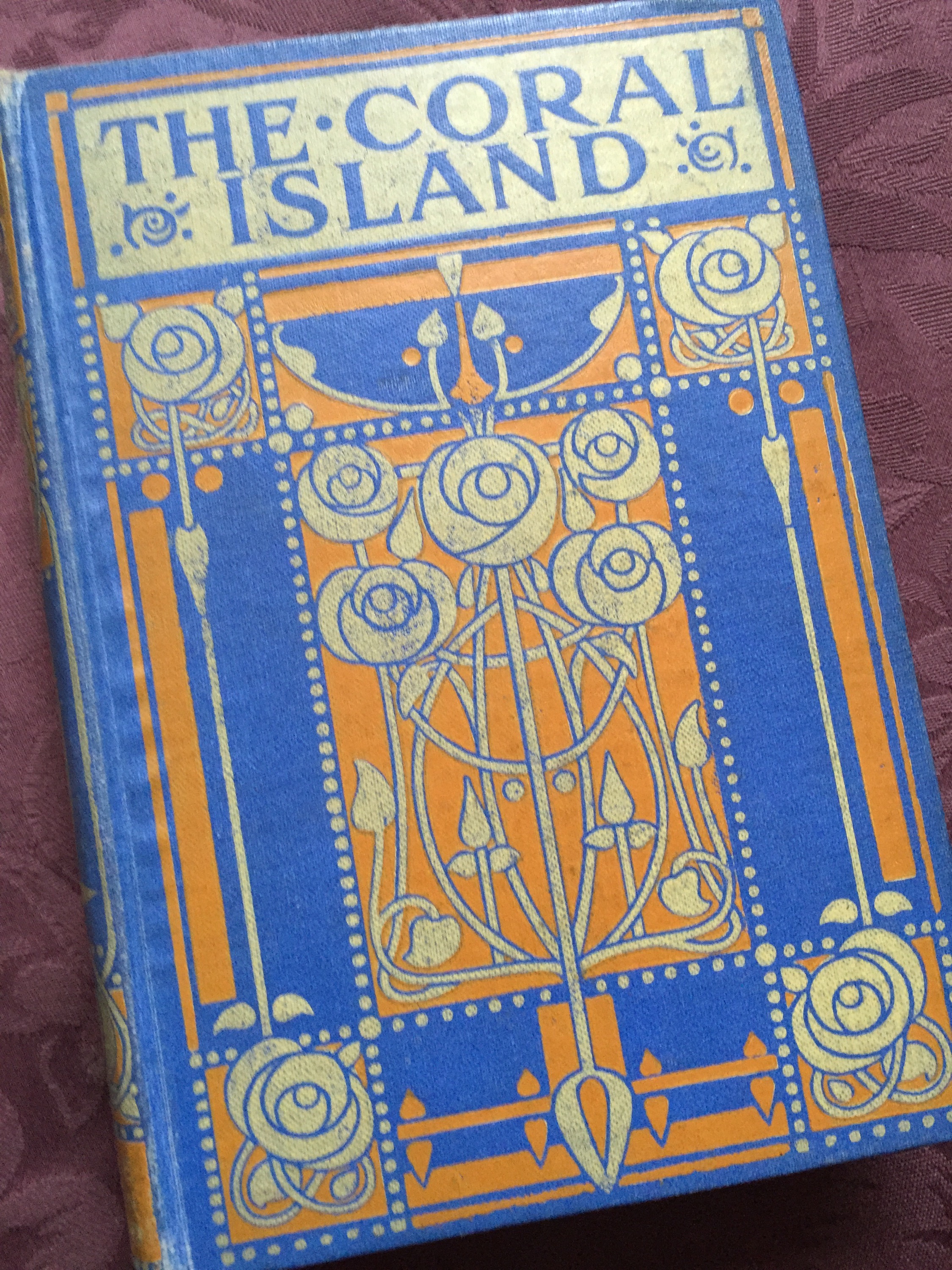
For this special design I used an old book cover for inspiration. Off course you have to be very careful with copyright regulations specially if you are going to use your design for commercial purpose but if you use your chosen design in a very different way and you transform it quite a bit then you should not be worried to break any rules.

   
 My book, i purchased in a car boot sales many years ago I have always had something about “The coral island” and I have many copies around the house from different publishers all pretty old and some with a great cover. So this one was printed by Blackie Publishers in Glasgow at the turn of the century and was offered to a David by someone called Bertha for Xmas 1917. I did not read this copy but I bought it because of the floral design on the cover and that was before a became passionate about stencils.

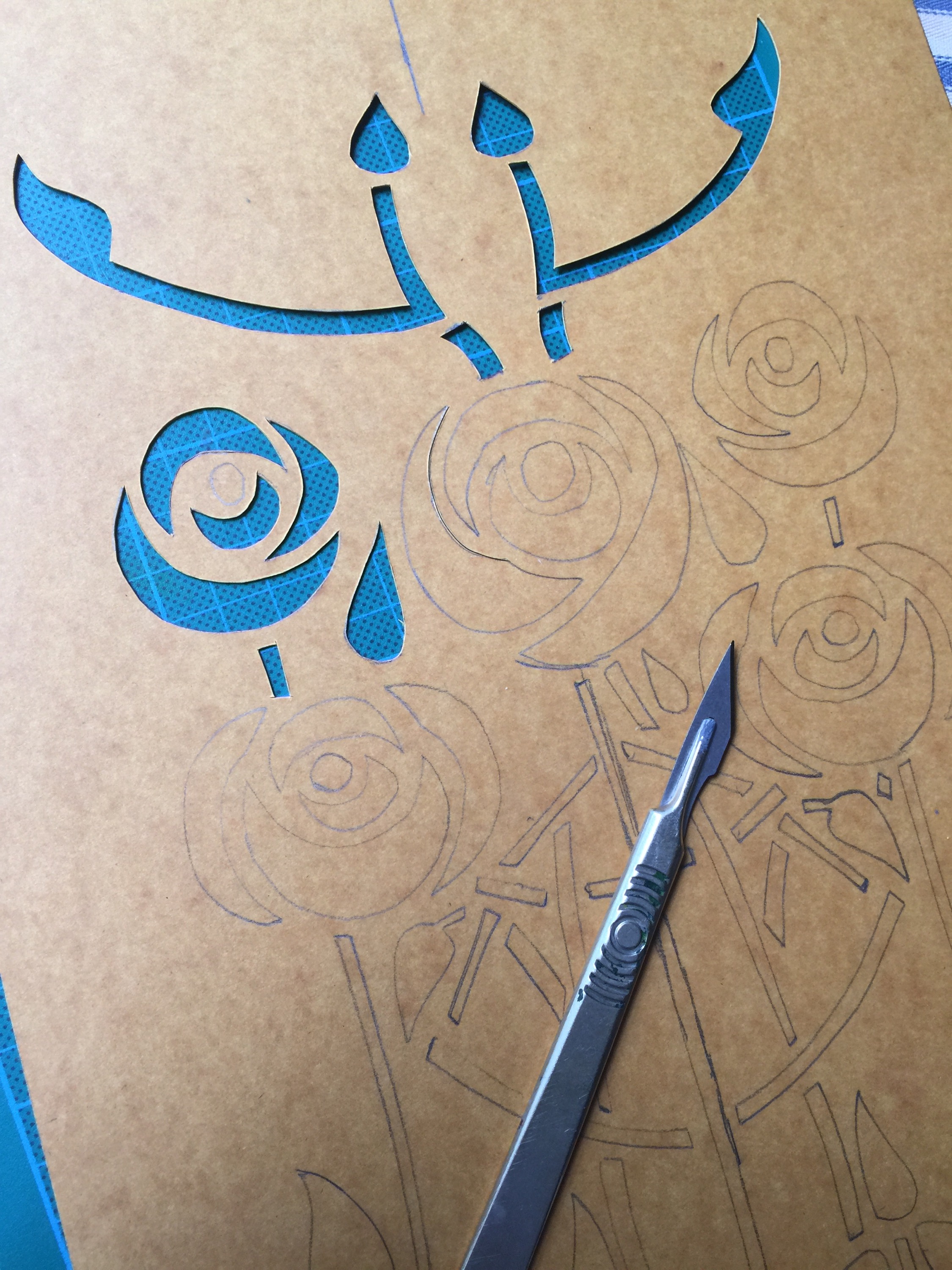
In this instance I just simply photocopy the cover blowing it up by 3 and extracted the design in the middle of the whole motif to create a single motif that I have been using on cushion covers, borders and even allowed some of my friends to borrow it as this design can only afford to be applied a few times through a scheme.

The important point is to have a design which is very stylised and can offer many separate parts so that when you cut it out it does not fall through.

I leave you to be the judge, I think something could be done with the outside border too… what do you think? I might have a go at some point.

   
 So… do you have any books/print/packaging/ etc… you could turn into a stencil? Off course it does not have to be old fashion some very modern designs can make stylish stencils too.

If you design something good then please take a photo and email it to me on bettysbeautifullife@gmail.com I love seeing my pupils’s inspiration.
Take care

Betty xx

Tracing and recreating an historic stencil

Ault wharrie is a 1903 property by the architect George Walton built in Dunblane (Scotland) 

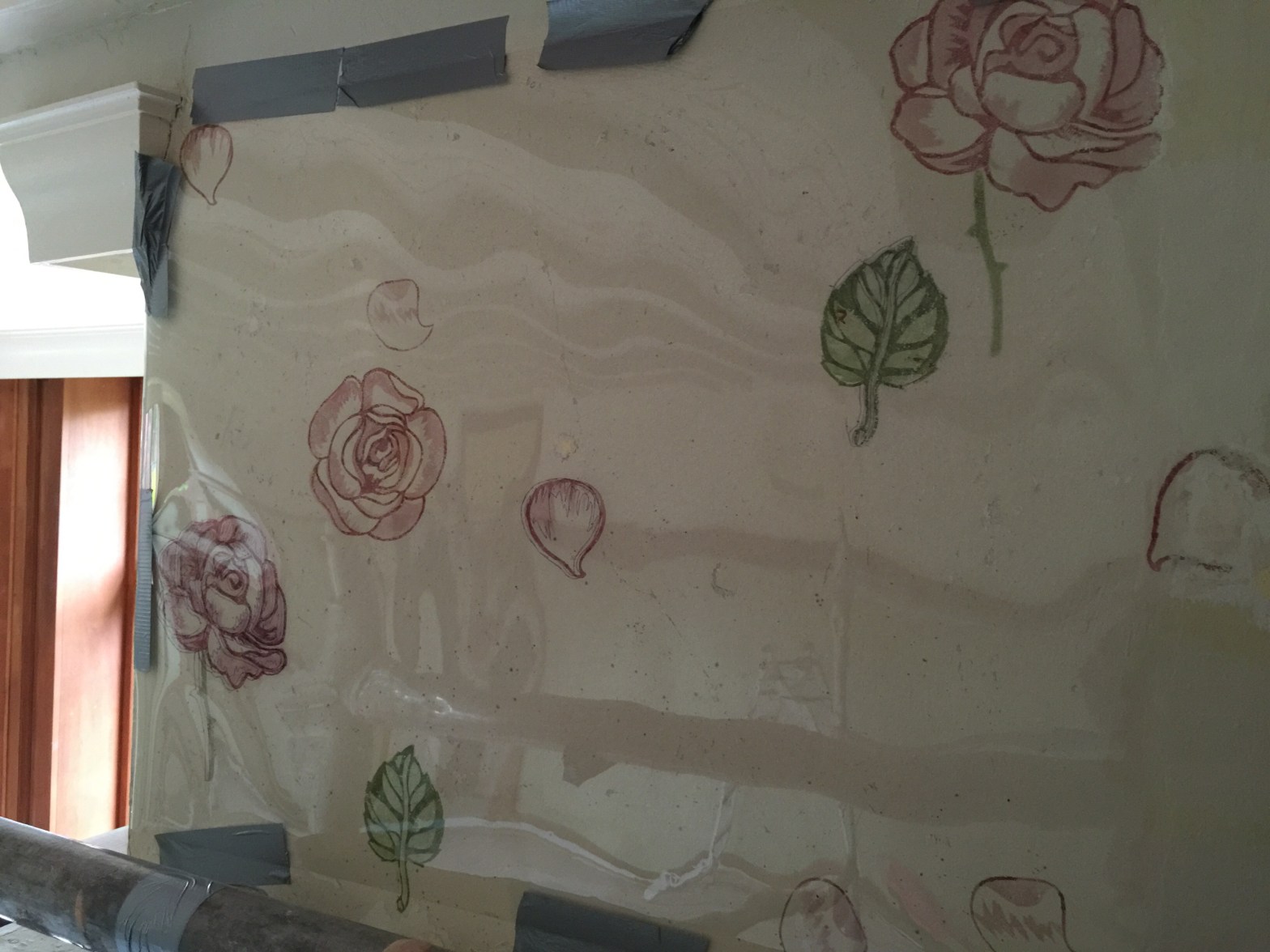
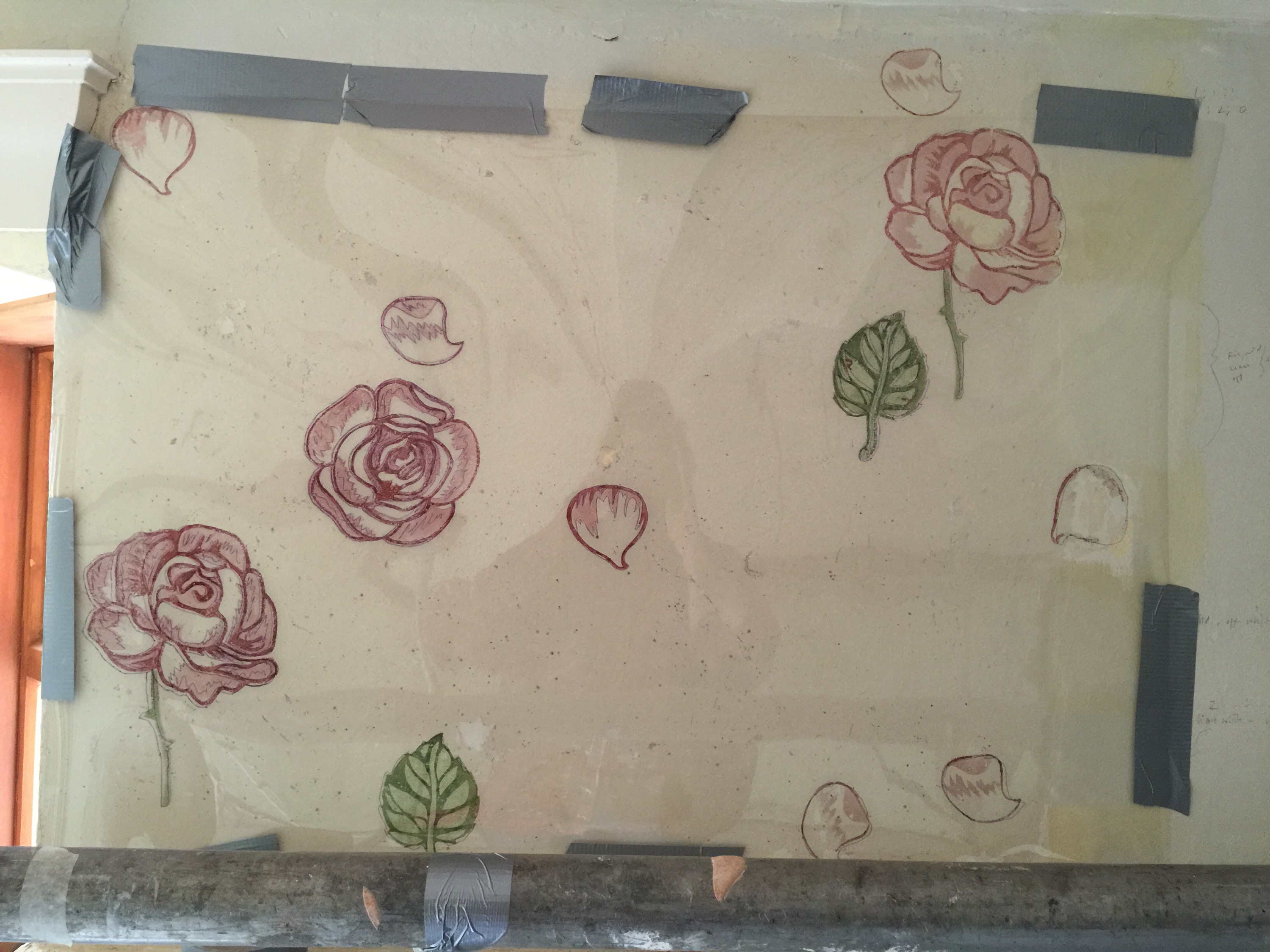
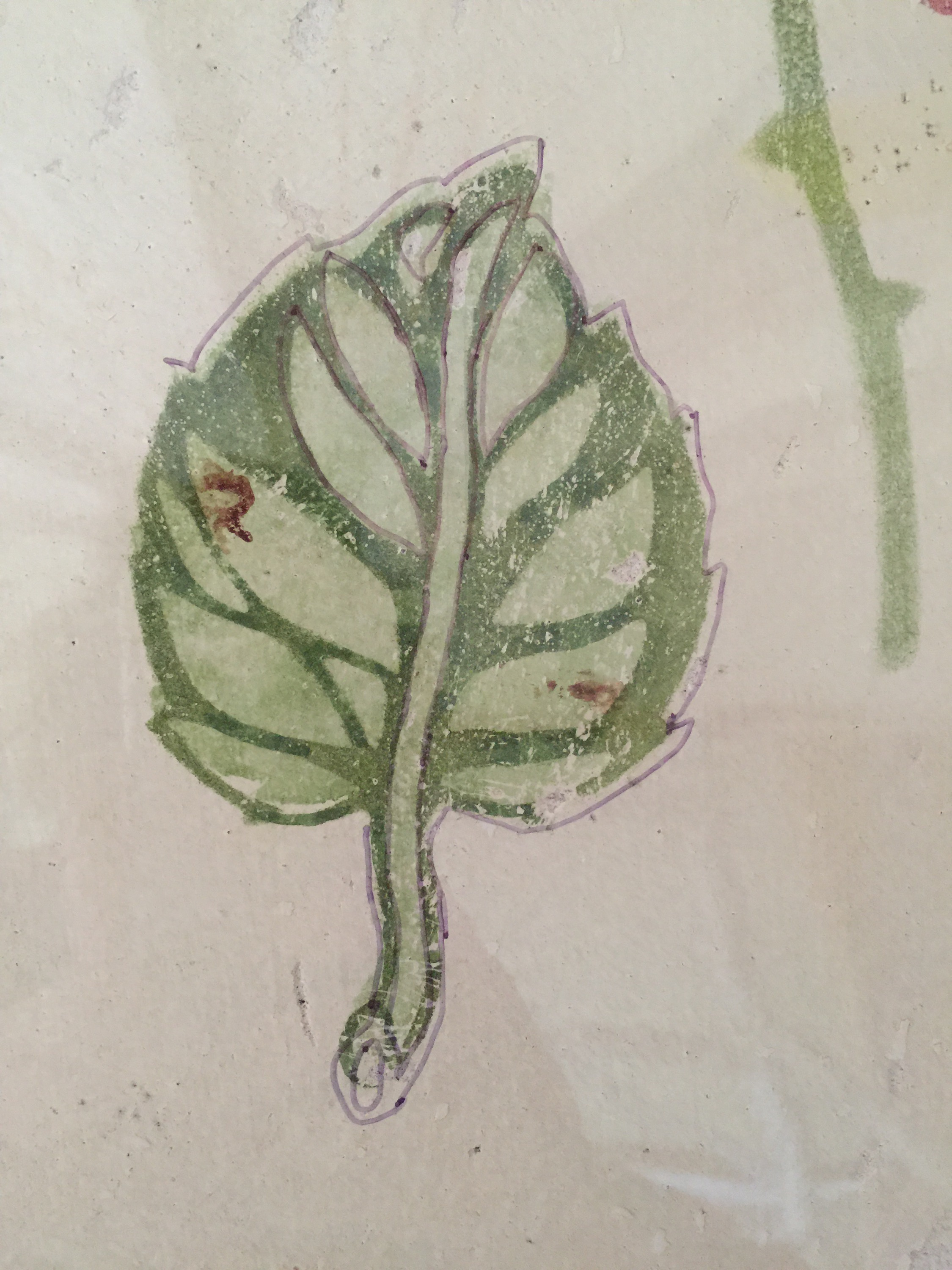
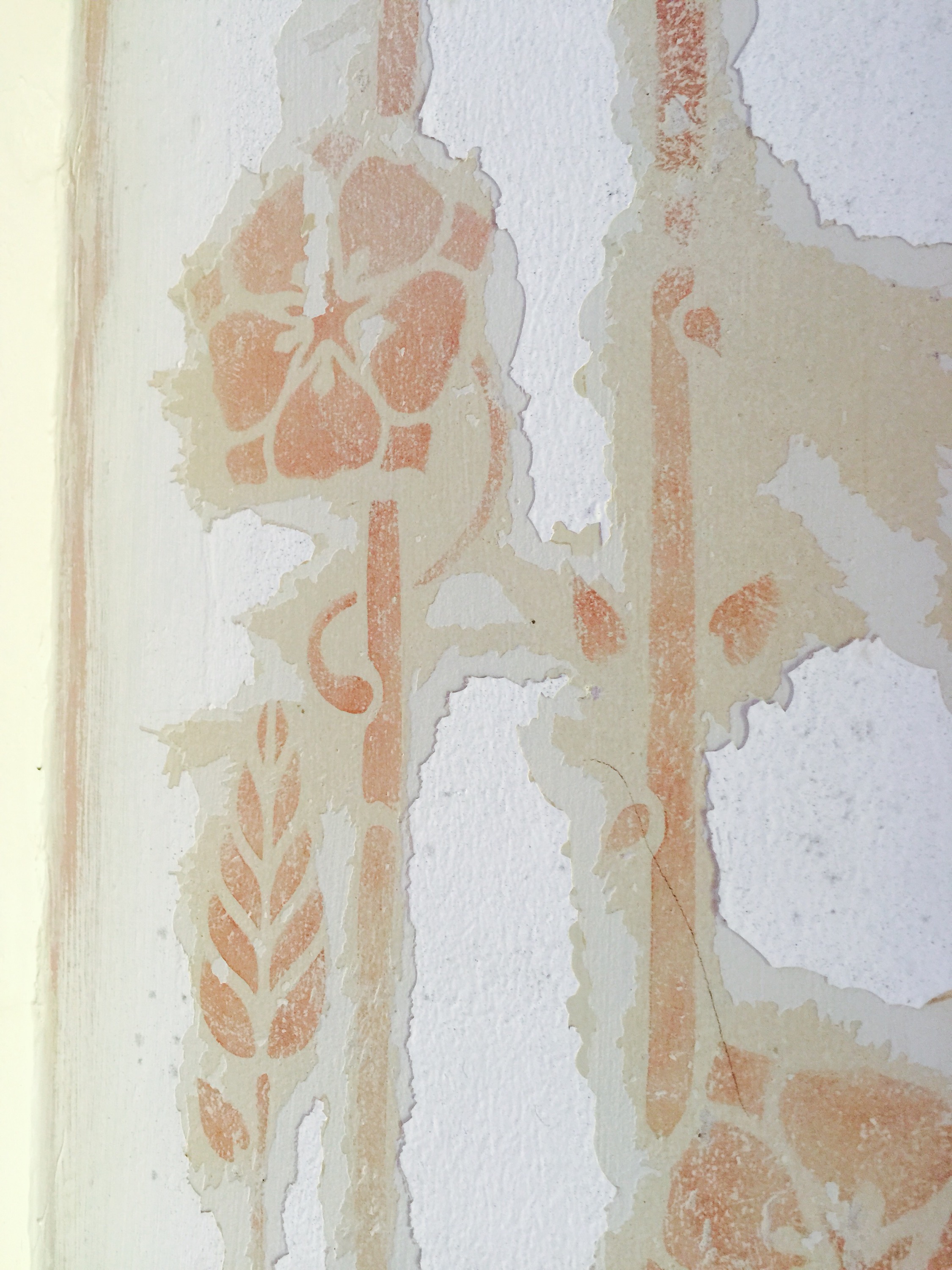
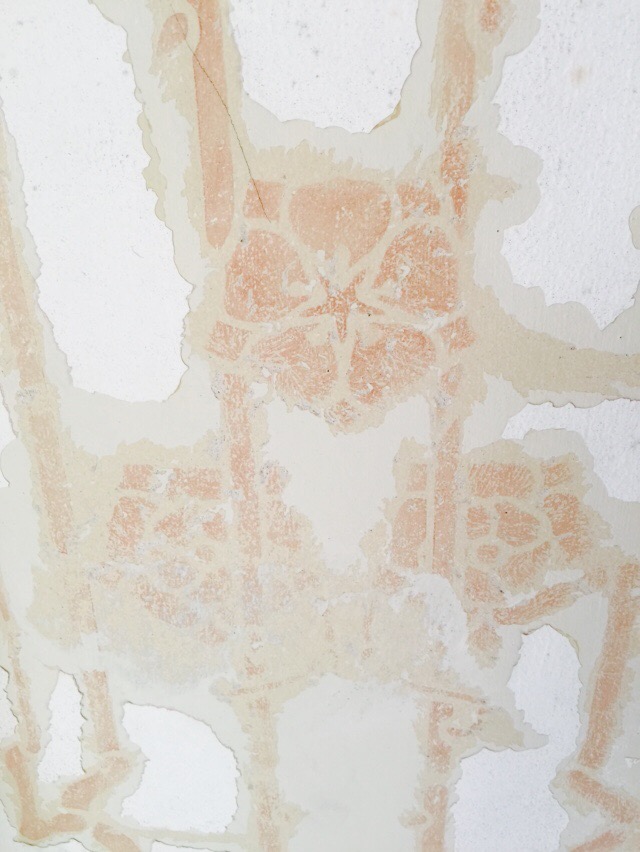
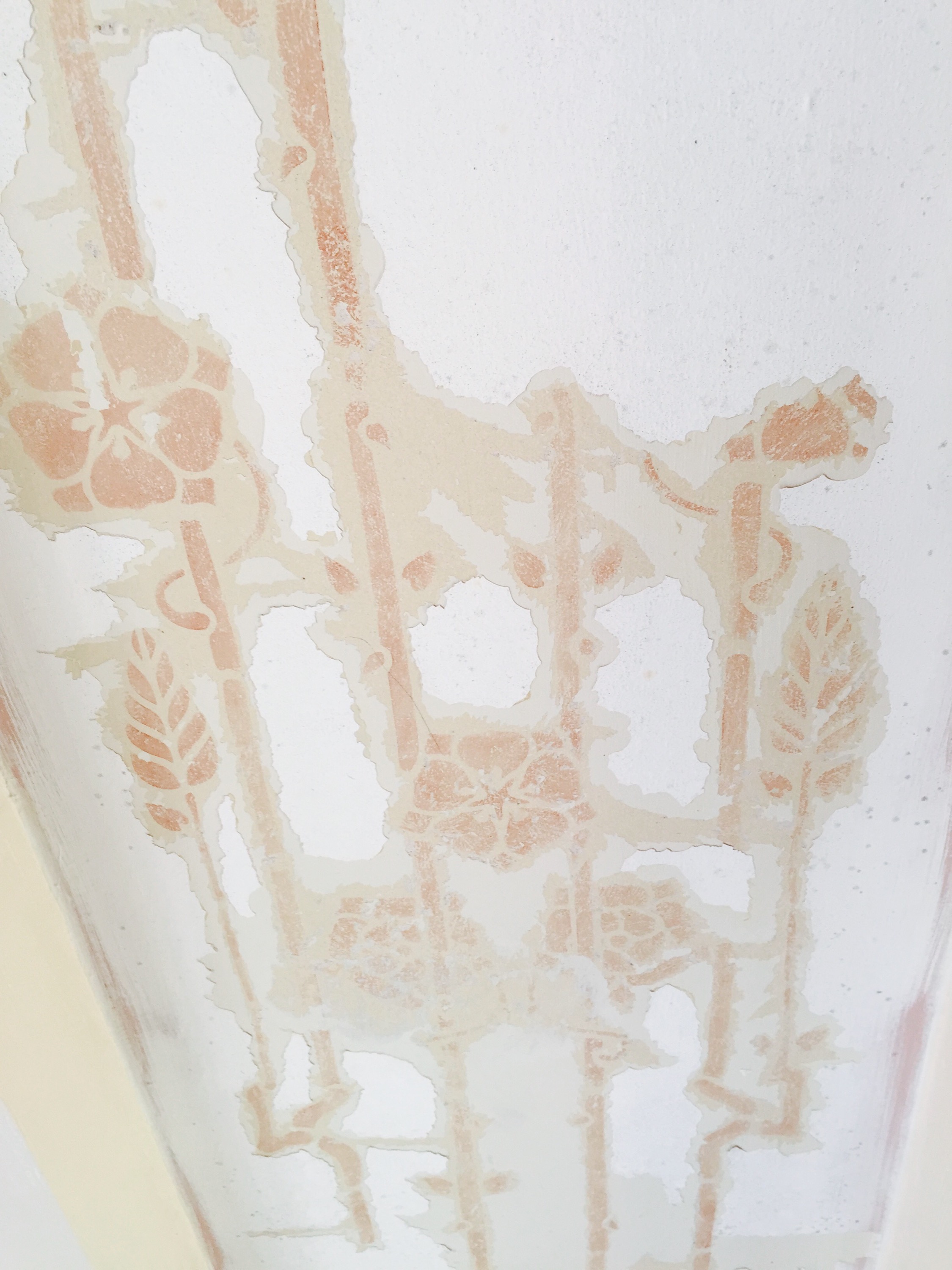
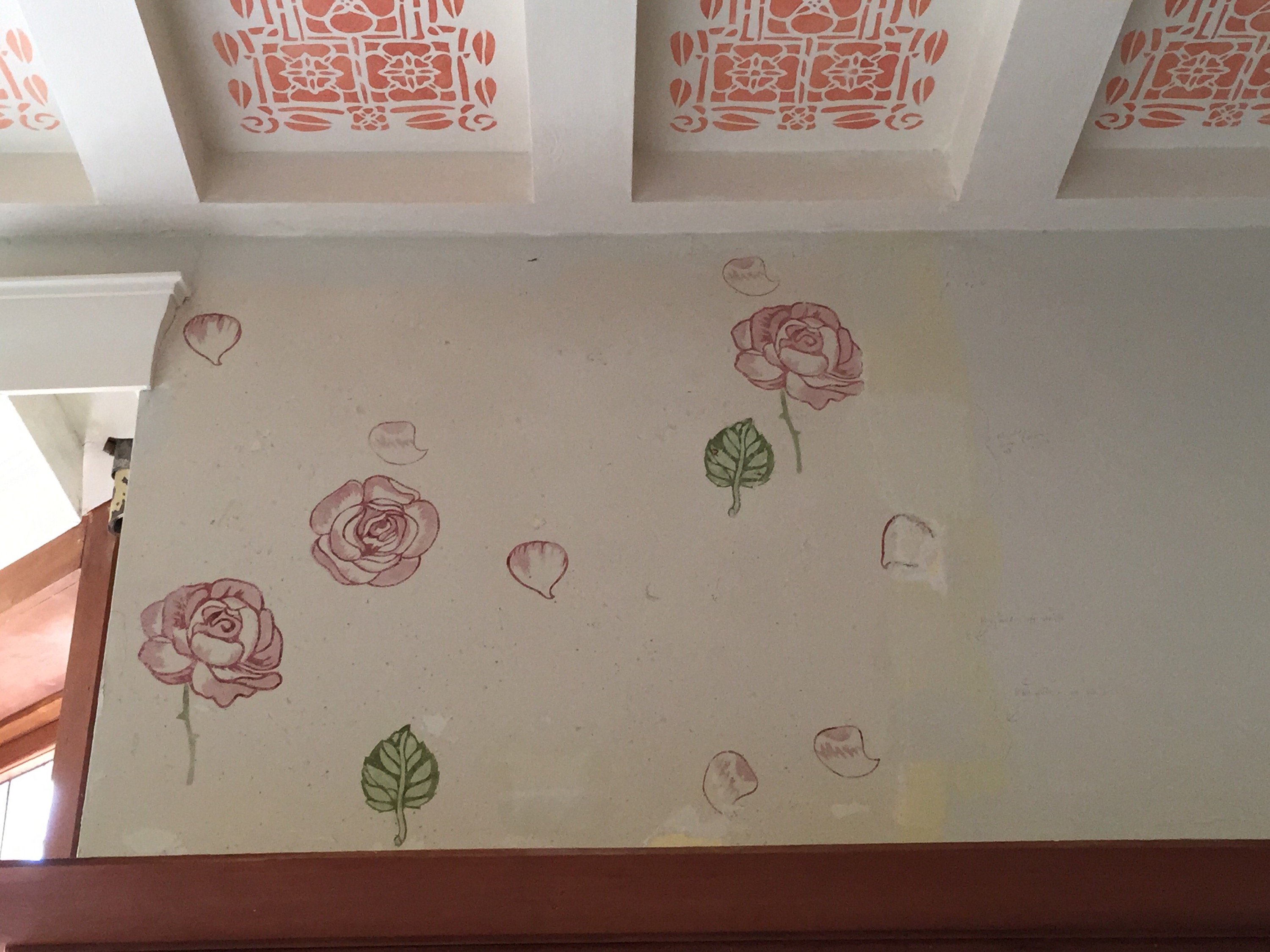
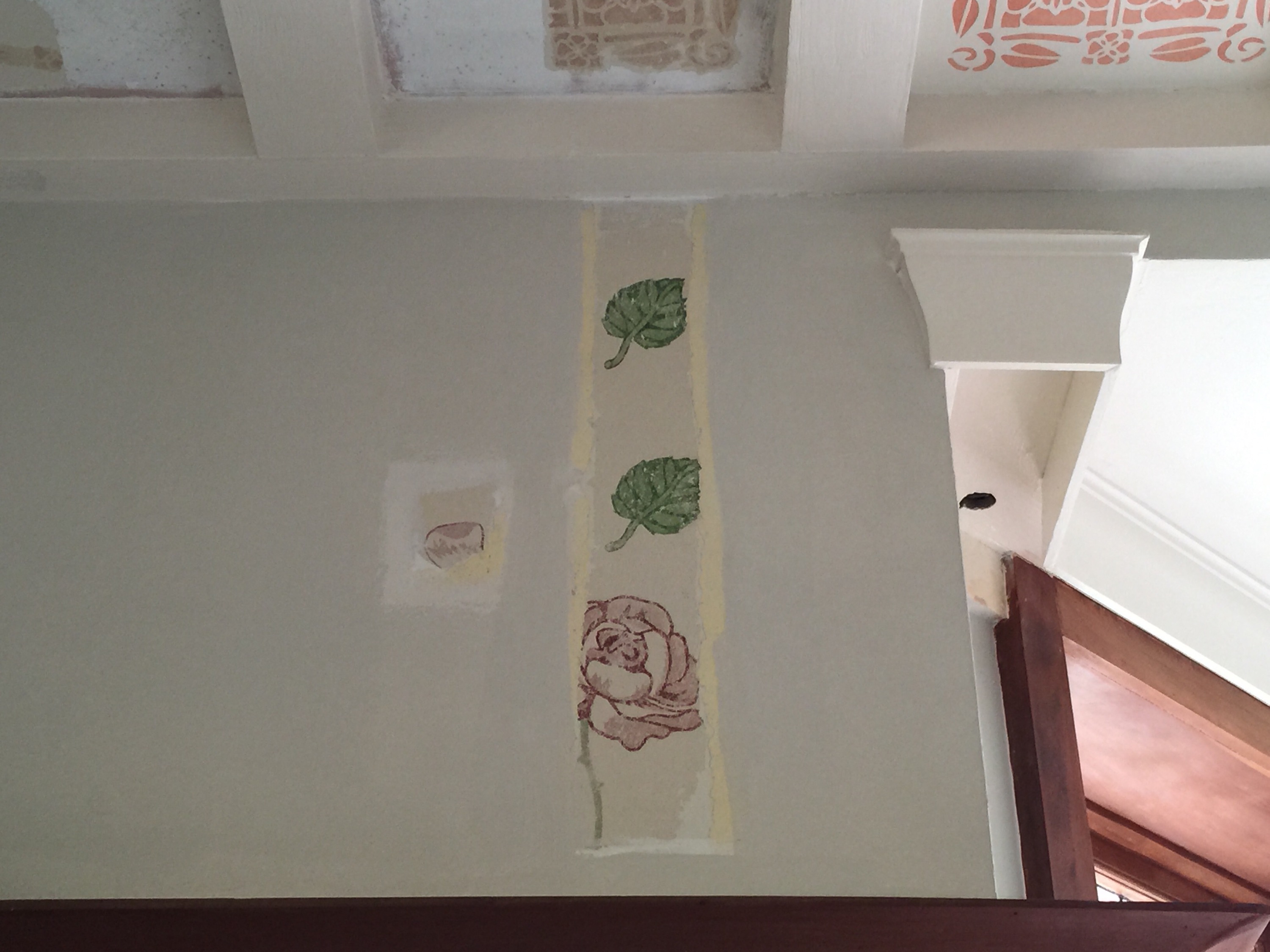
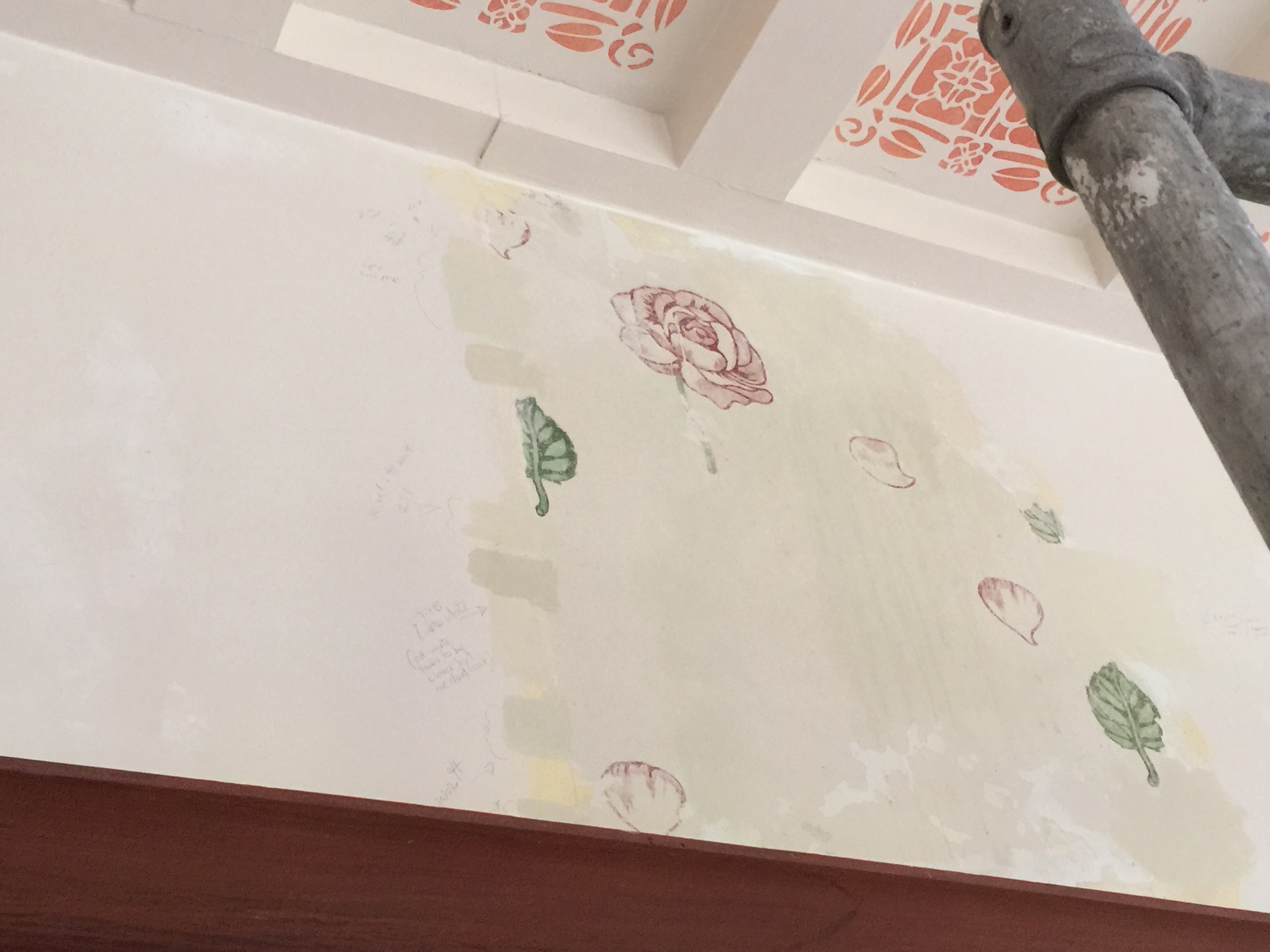
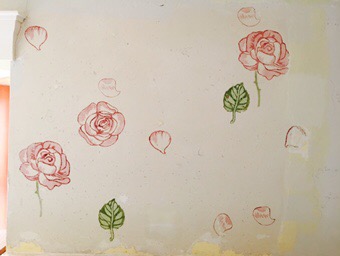
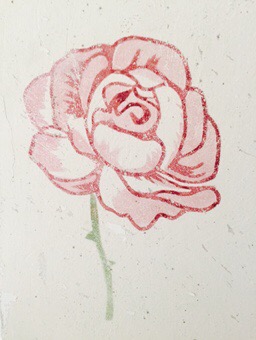
While being refurbished some design schemes were found on the walls in some of the rooms. some in very good state just needing some touching up and some almost destroyed in great need to be recreated. The photographs here come from the original drawing room which featured a scheme of flowered designs. 


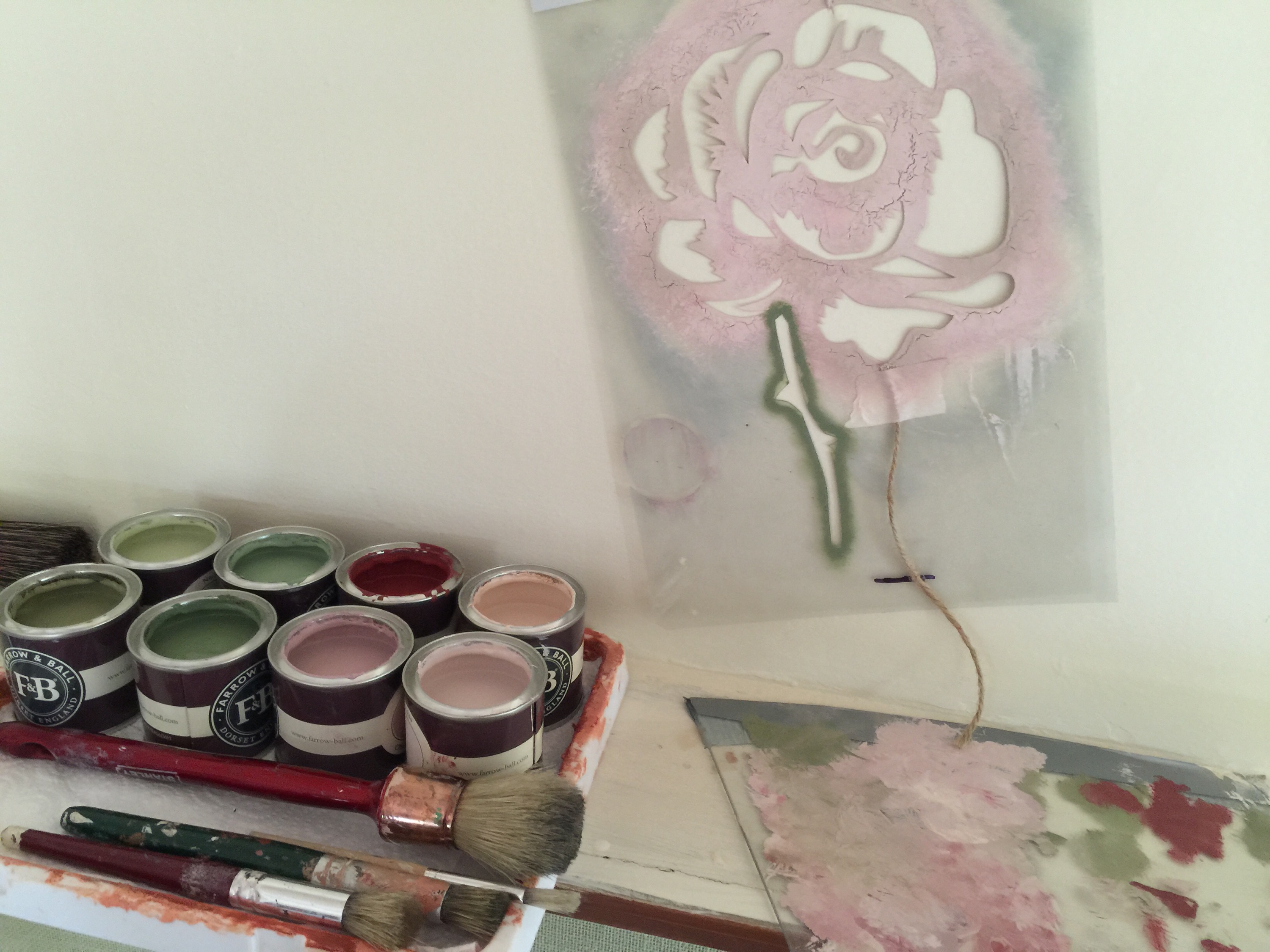
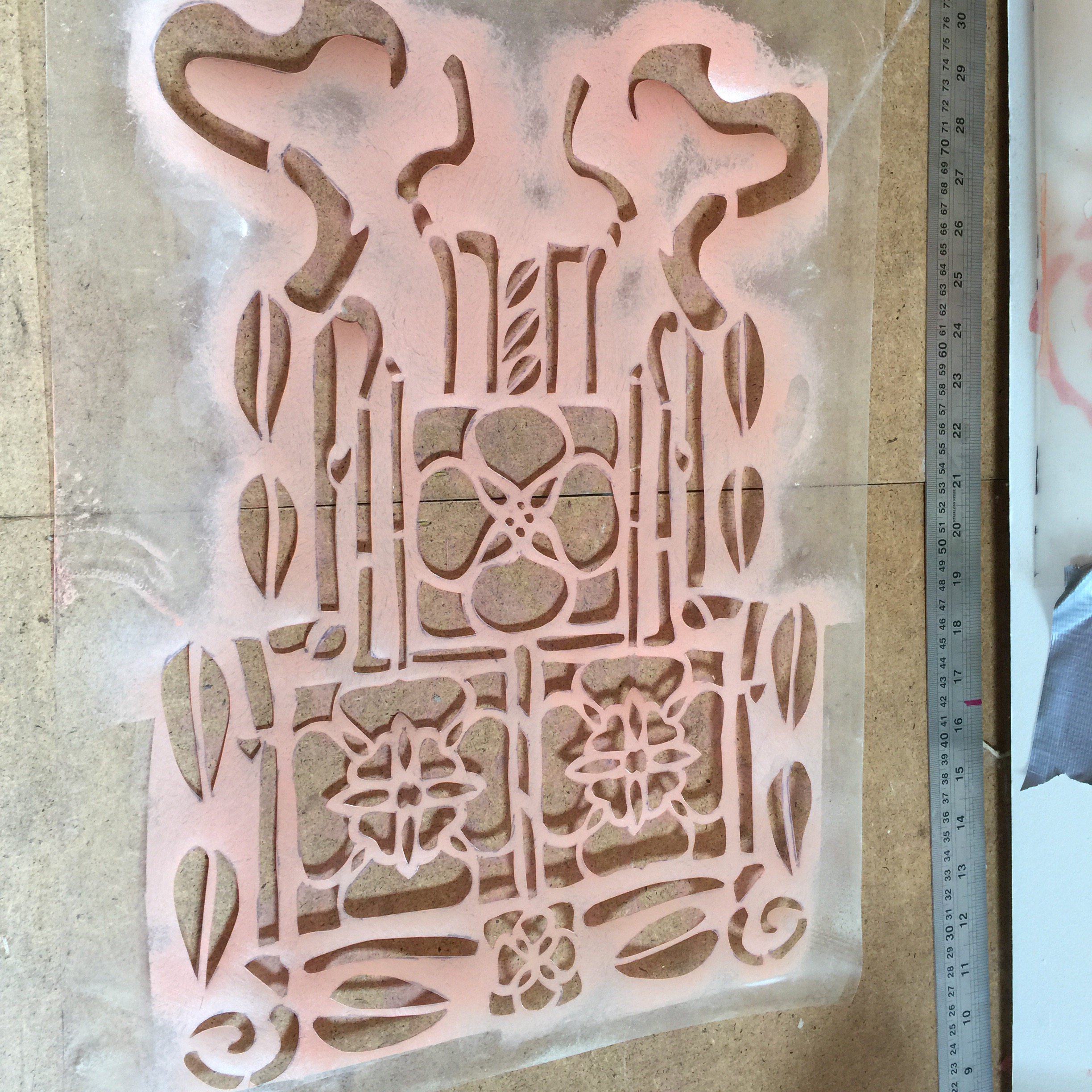
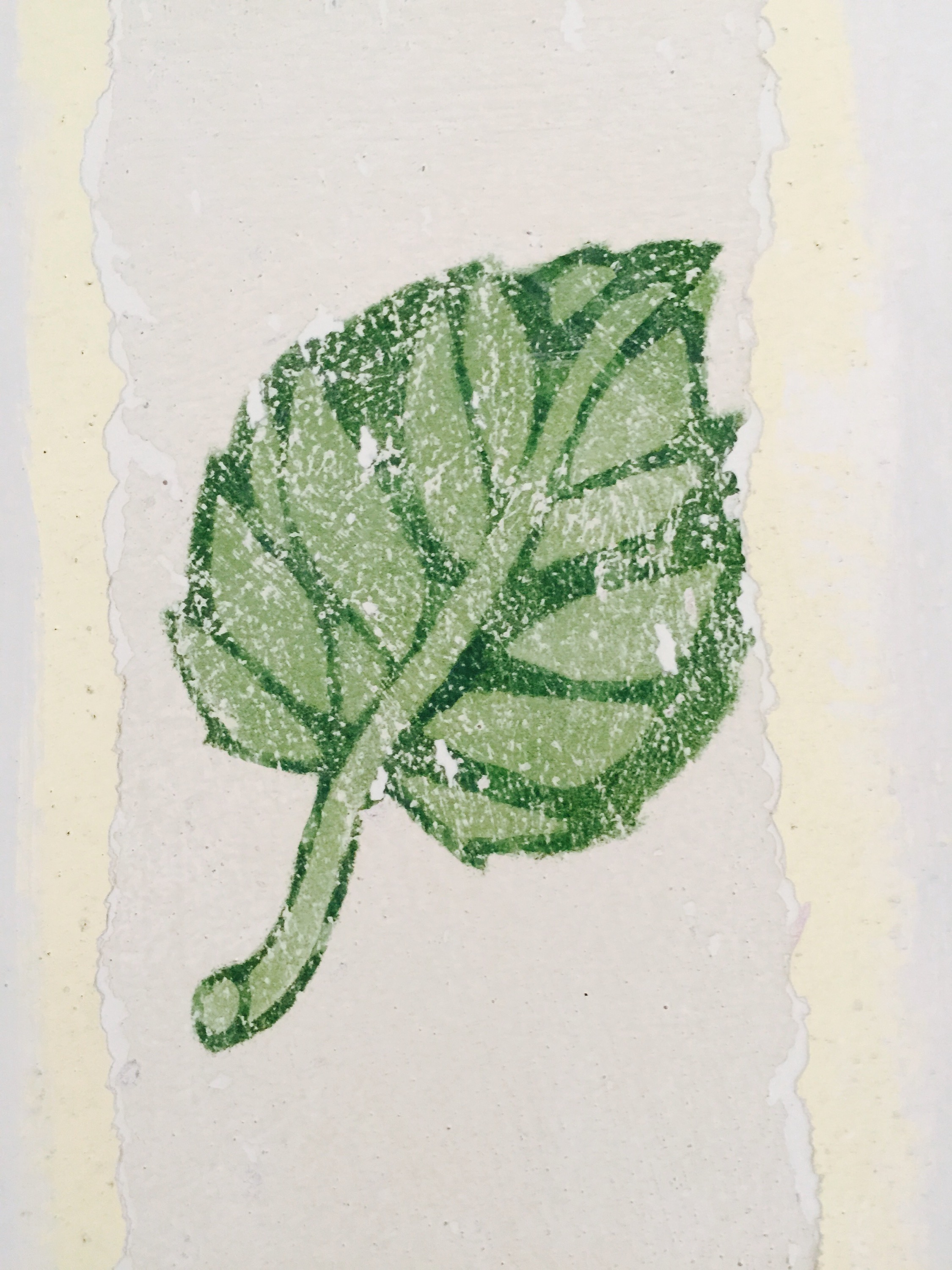
To recreate the design there was a need to re organise the general pattern and I traced all the elements on a film cellophane then I traced each elements in great detail.

I then photocopied the various component of the pattern and moved them around till I found an element of rational. I then cut the film of cellophane with three stencils for each motif.

One this was done I was ready to get going !!! 


Painted furniture and craquelure 

Or the art of making something old look really old …

I specialise in shabby chic painted furniture, either distressed with rubbed out bits or with antique craquelure effect pieces. I always have on stock a few pieces but I will either source for you a piece following your description or I will paint/antique a piece you have found. If your piece of furniture is large I will work on site to avoid damage in transit. I will travel at no cost in the Glasgow area but further afield I will provide a cost for transport prior to work being accepted.

I can work according to your colour schemes or make suggestions. I mainly use Farrow and Ball, bees wax and antique varnishes and every piece will have been waxed or varnished for protection.

All pieces will be available for pick up at my workshop in the West end of Glasgow or carriage will be charged on top.

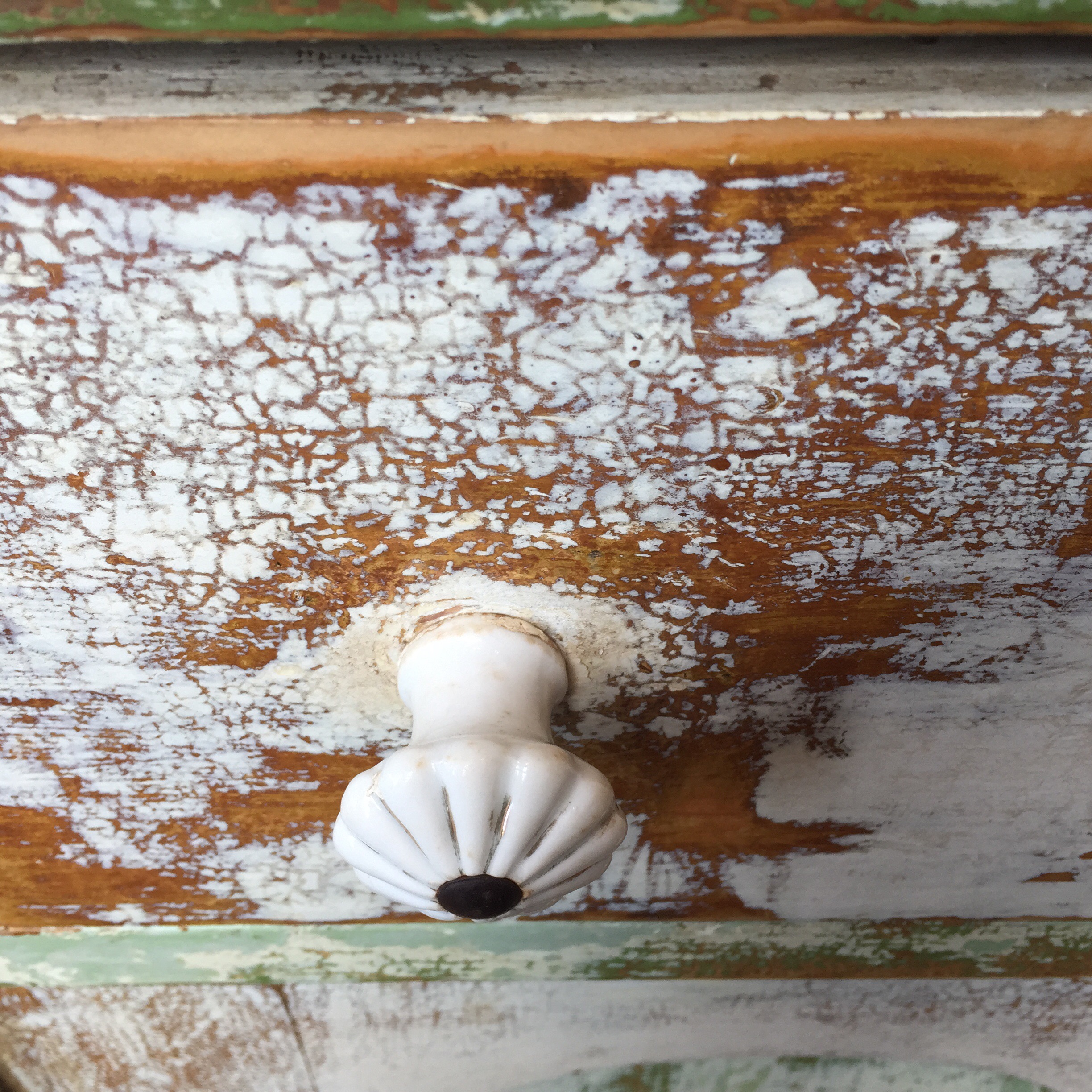
A pine chest of drawer with new “antique” handles and a mix of craquelure and distressed finish. It has been waxed with bee’s wax for lovely smooth finish.
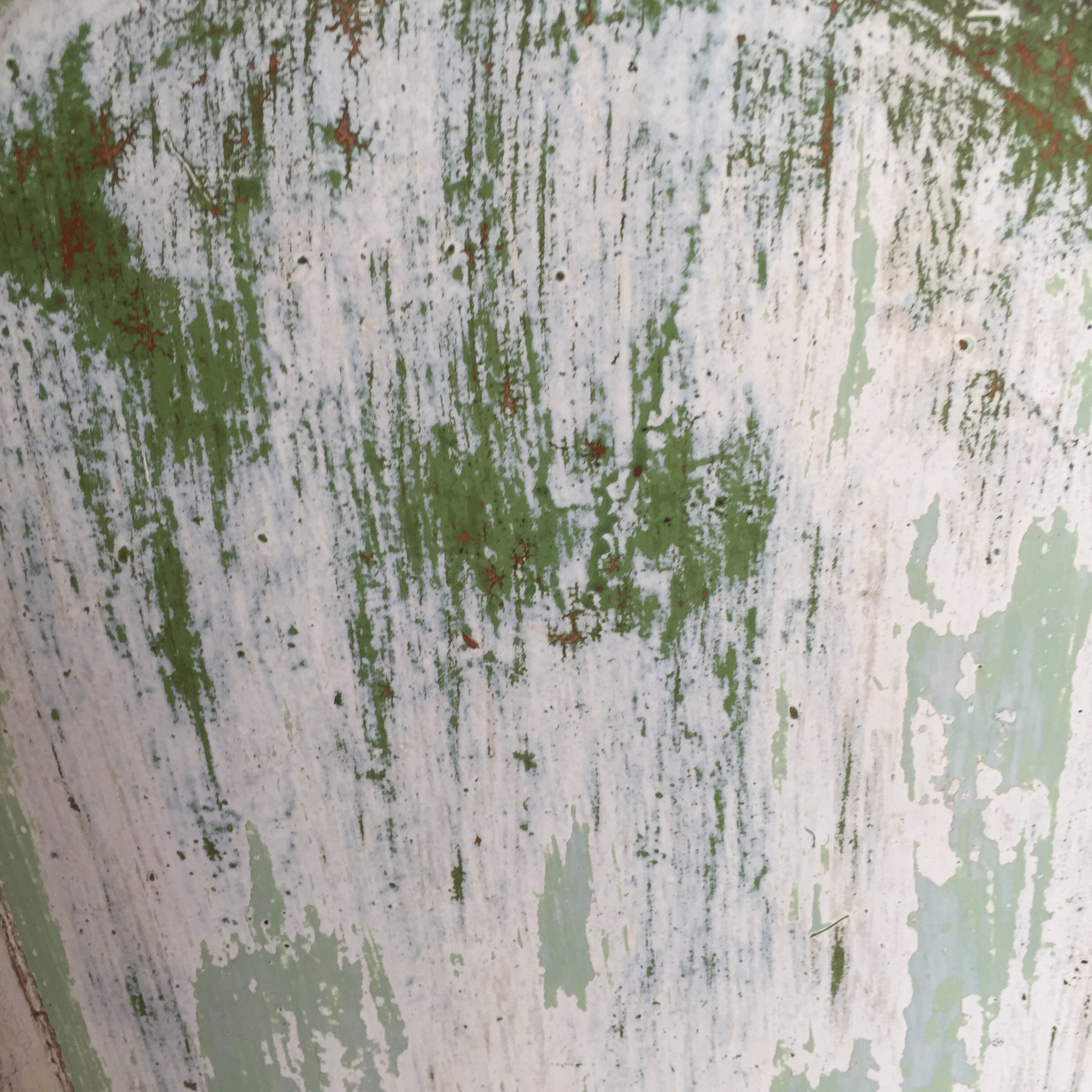
This is a distressed finish, three colours, all water based emulsions applied roughly, then distressed with sanding paper in an irregular manner showing the colour below and hand waxed for long term enjoyement.
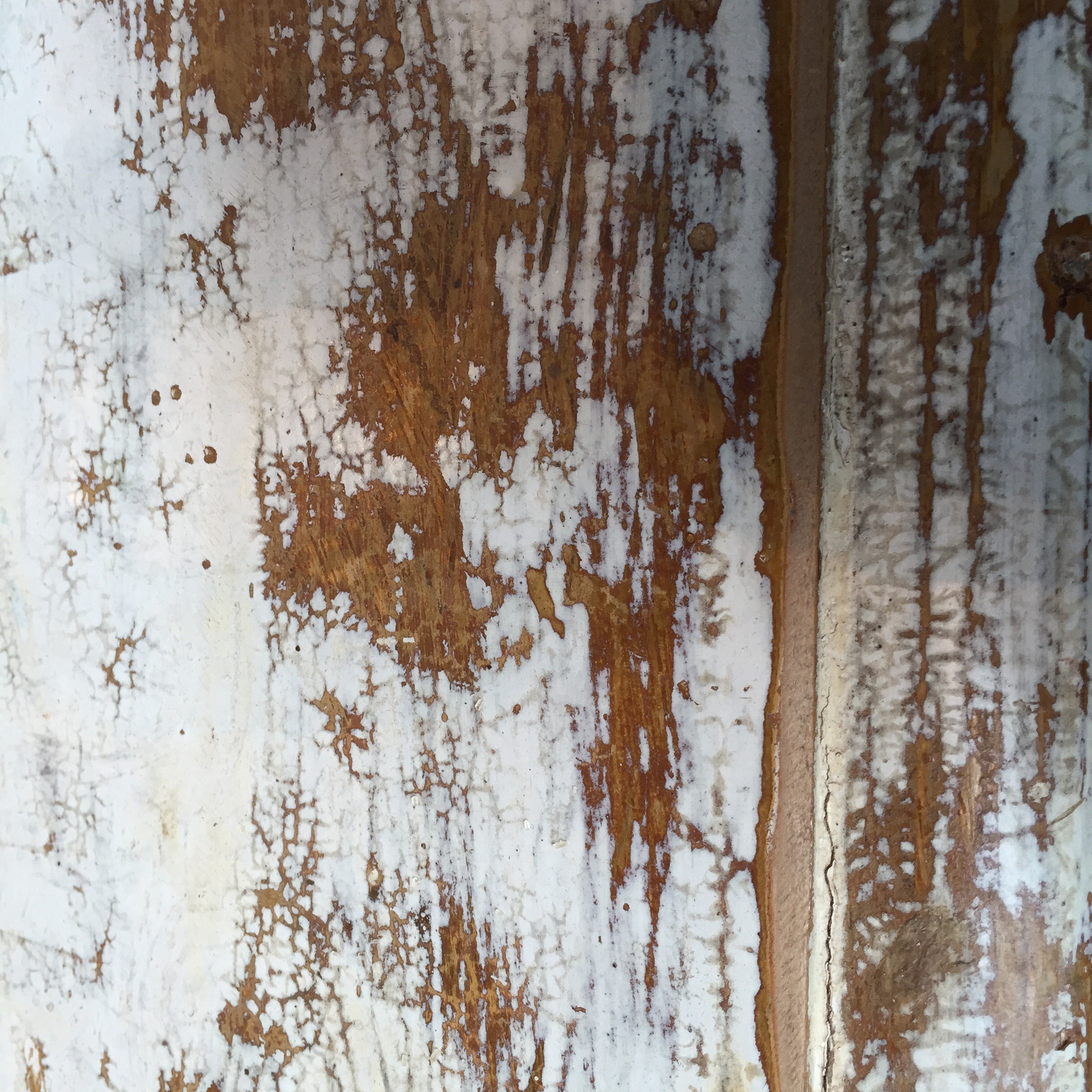
This is one shade of old white on top of old pine, distressed and waxed by hand.
This painted chest was painted with plain cream oiled based paint before being crackled with Gum Arabic and antiqued with pigments in turpentine/linseed oil. Varnished to protect the finish.
Detail of the painted piece showing the drawer, this shows the craquelure as well as the rough areas.
Family initials stencilled on top of the finish, this can be an efficient way to offer a more interesting final touch.

Glasgow style stencils available online on Etsy 

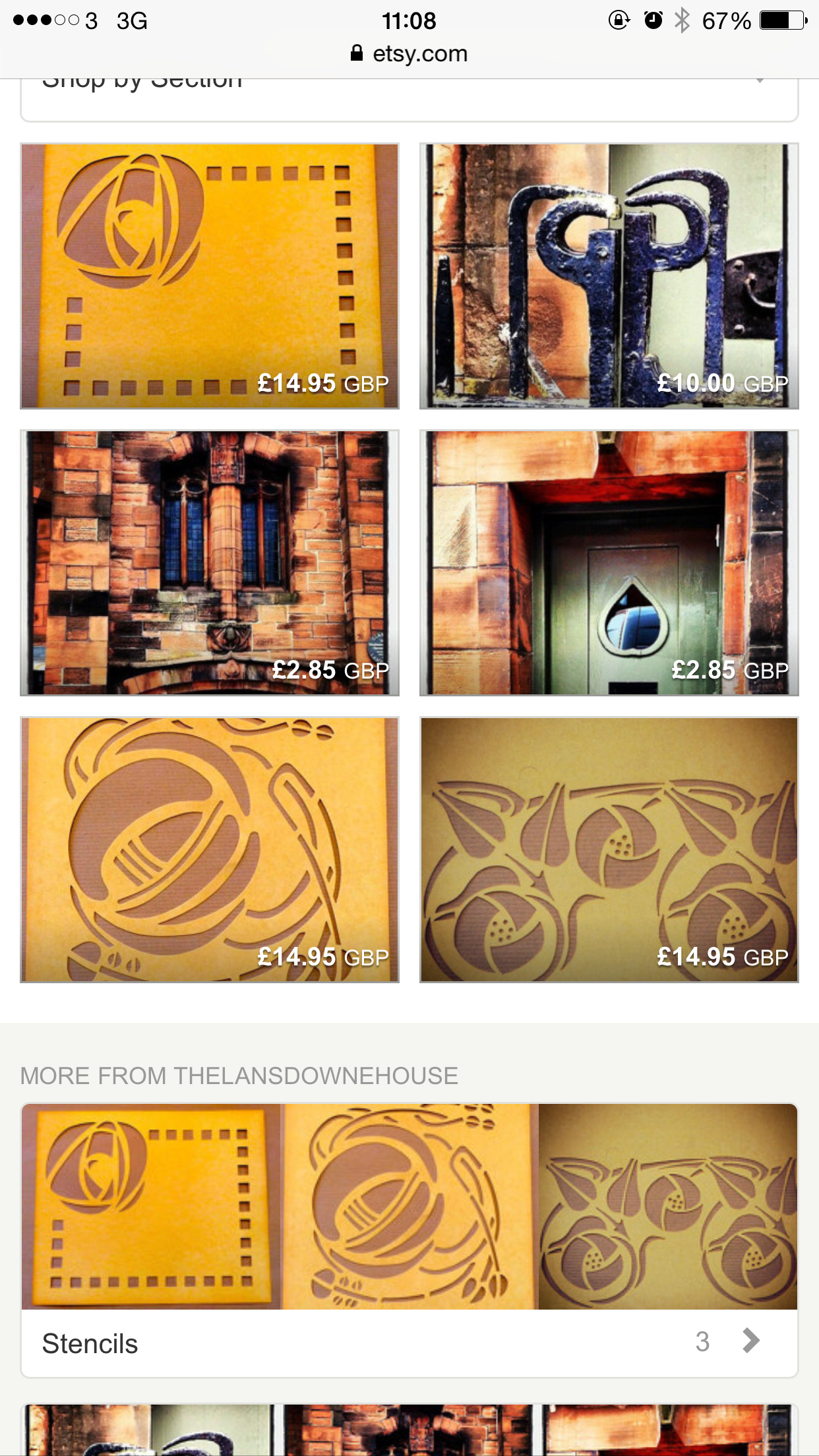
I offer a range of Glasgow styles stencils to allow you to decorate walls, fabric, etc… they are made of oiled manilla card as an authentic material from the 19th century and are available on http://www.etsy.com search for thelansdownehouse and thelansdownehouseofstencils,  Check often new designs are added regularly
    

THE LANSDOWNE HOUSE

The workshop and your tuition was inspiring. I went home created an art space and began designing

Skip to content ↓